Antarctic Ice Reveals Stardust from Ancient Stellar Explosion
Scientists discovered radioactive stardust from an ancient supernova trapped in Antarctic ice, offering a cosmic time capsule into our solar system's journey through space. The finding helps explain how Earth collects debris from stellar explosions as we travel through interstellar clouds.
Deep in Antarctic ice, scientists just found proof that we're literally swimming through the remnants of exploded stars.
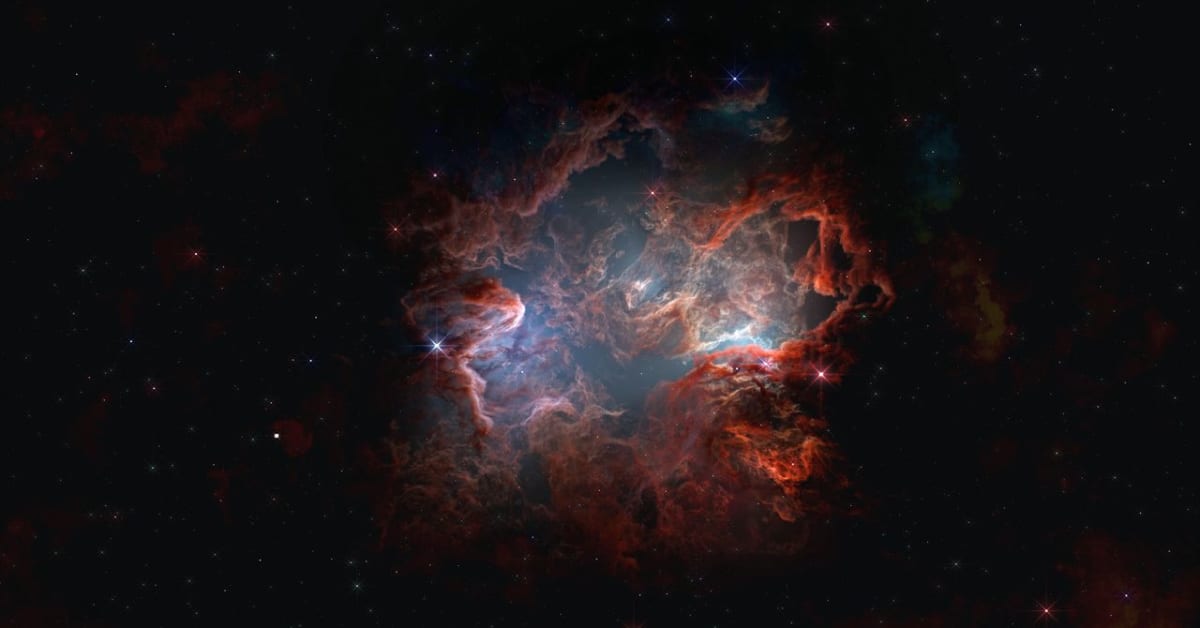
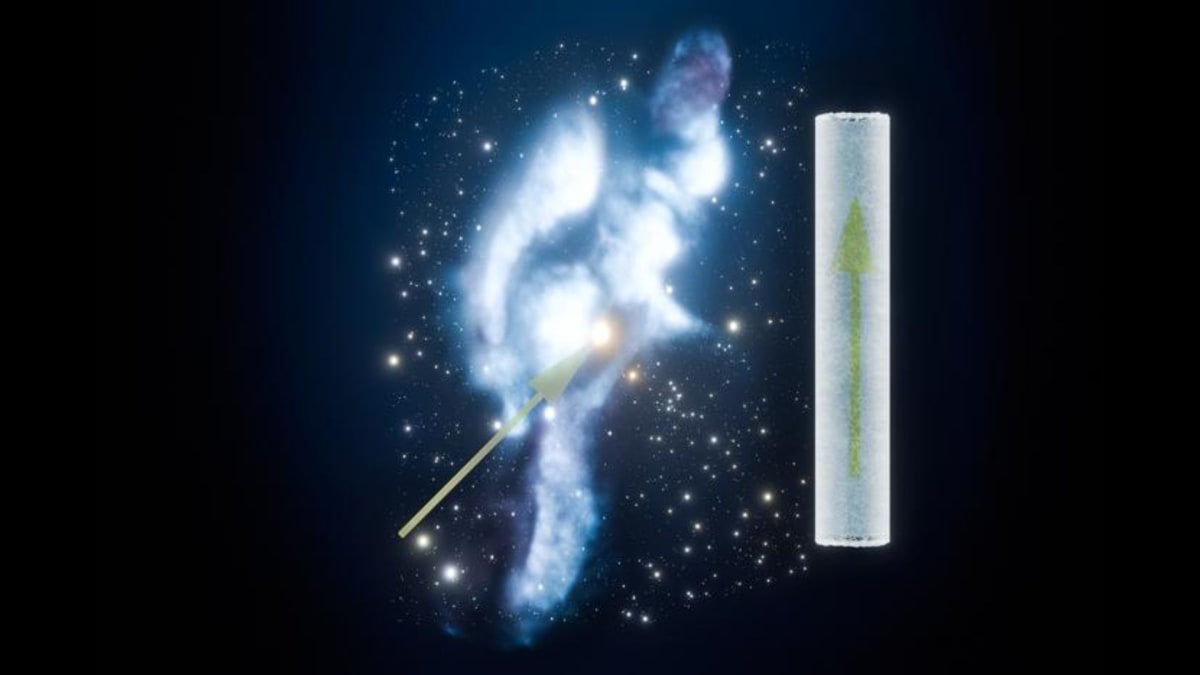
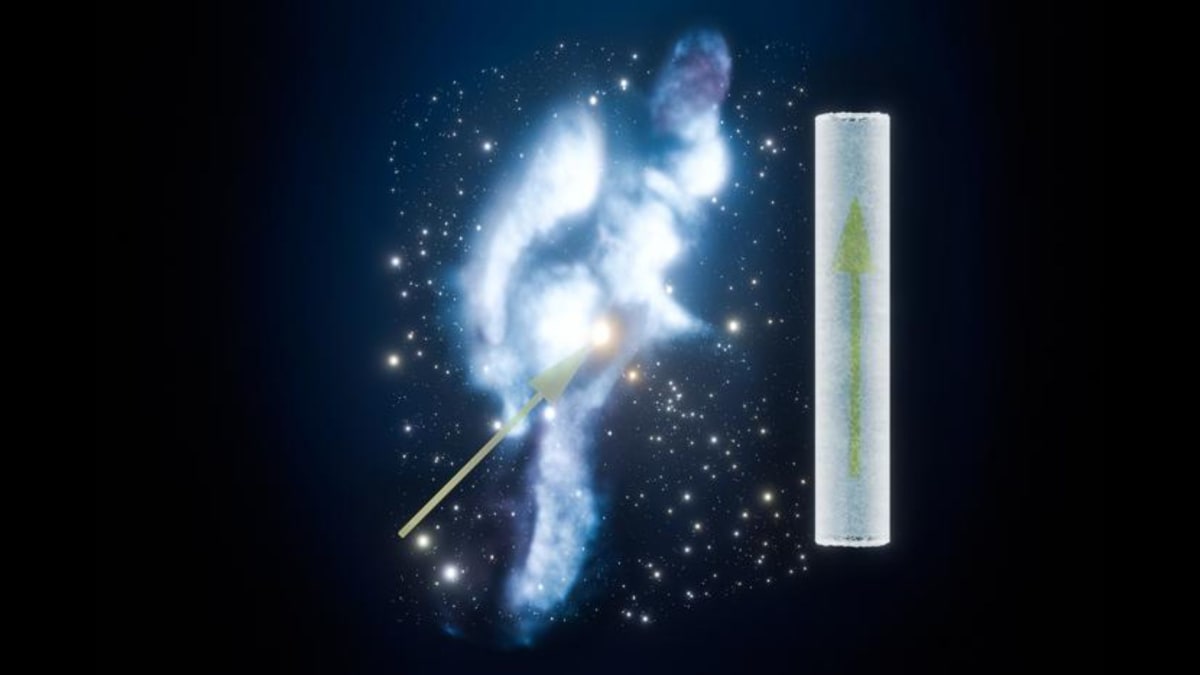
Researchers discovered iron-60, a radioactive isotope created only in supernovas, embedded in ice samples dating back 40,000 to 80,000 years. This cosmic dust arrived on Earth as our solar system passes through the Local Interstellar Cloud, a massive cloud of gas, dust, and plasma that scientists affectionately call the "Local Fluff."
"We found supernova-produced iron-60 in Antarctic ice," said lead researcher Dominik Koll from Germany's Institute of Ion Beam Physics and Materials Research. The discovery confirms that stardust can penetrate our solar system's protective shield and reach Earth's surface.
The team analyzed over 661 pounds of Antarctic ice, melting and treating it before using accelerator mass spectrometry to count individual atoms of the rare isotope. They compared ancient ice to recent snow samples and found something fascinating: less iron-60 reached Earth tens of thousands of years ago than today.
This timeline perfectly matches our solar system's journey through the Local Interstellar Cloud, which began between 40,000 and 124,000 years ago. We'll exit this cosmic neighborhood in just a few thousand years, making this a brief moment in astronomical time.
Why This Inspires
This discovery transforms how we understand our place in the universe. Every breath we take, every snowflake that falls, contains traces of ancient stars that died millions of years ago. We're not just observing the cosmos; we're traveling through it, collecting souvenirs from stellar explosions along the way.
The research also gives scientists a new tool for mapping our solar system's path through space. By studying these cosmic breadcrumbs in ice from different time periods, they can trace where we've been and predict where we're going.
The team plans to study even older ice samples from before our solar system entered the Local Fluff, which will help confirm their findings and reveal more about the clouds surrounding us.
This isn't just academic curiosity. Understanding how interstellar material reaches Earth helps scientists study everything from climate patterns to the origins of our solar system itself. The ice preserves a perfect record of what was falling from space thousands of years ago.
Our planet is literally made of stardust, and now we have proof of its ongoing delivery.
More Images

Based on reporting by Space.com
This story was written by BrightWire based on verified news reports.
Spread the positivity!
Share this good news with someone who needs it