Antarctic Penguins Shift Breeding Two Weeks Earlier
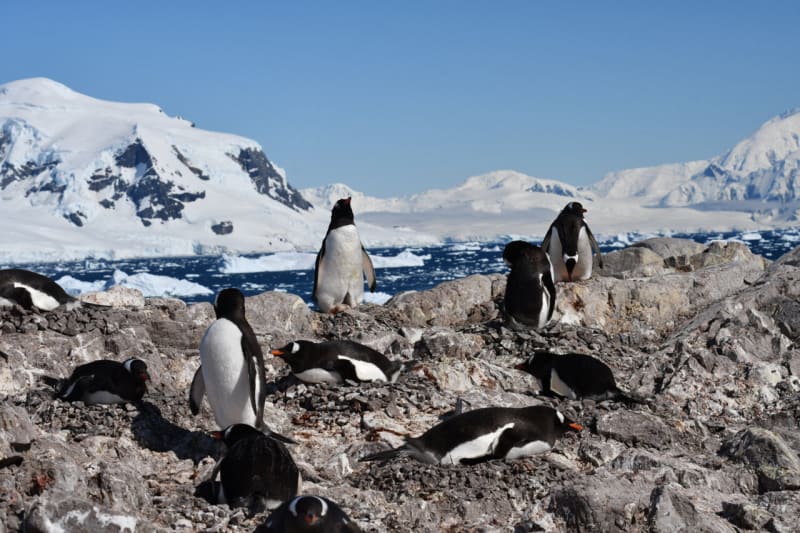
Antarctic penguins are adapting to climate change faster than any other bird on Earth, with some species now starting their breeding season up to two weeks earlier than a decade ago. Scientists discovered this remarkable shift using 77 time-lapse cameras watching penguin colonies across Antarctica.
Gentoo penguins in Antarctica just broke the record for the fastest breeding season shift ever recorded in a bird species.
A decade-long study by researchers at the University of Oxford and Oxford Brookes University tracked 37 penguin colonies across Antarctica using time-lapse cameras. The results, published on World Penguin Awareness Day, reveal that Gentoo penguins now start breeding an average of 13 days earlier than they did in 2012, with some colonies advancing by 24 days.
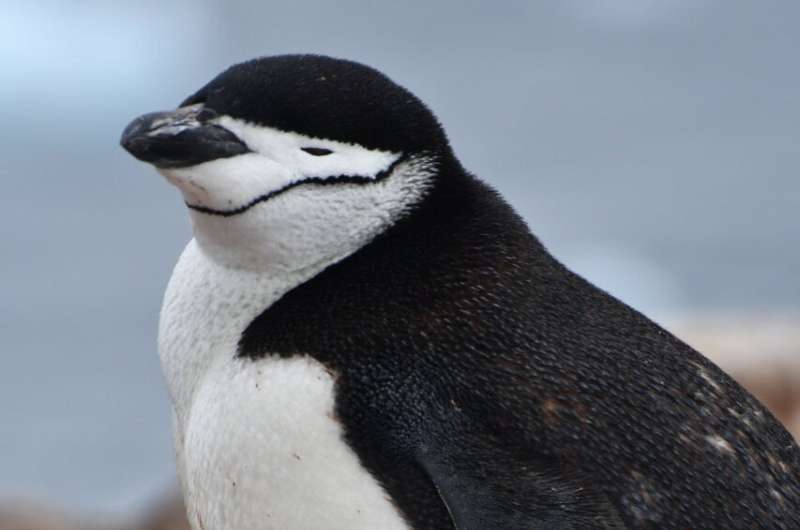
That's the fastest change in breeding timing ever documented in a bird, and possibly any vertebrate species. Two other penguin species, Adélies and Chinstraps, are also breeding about 10 days earlier each decade.
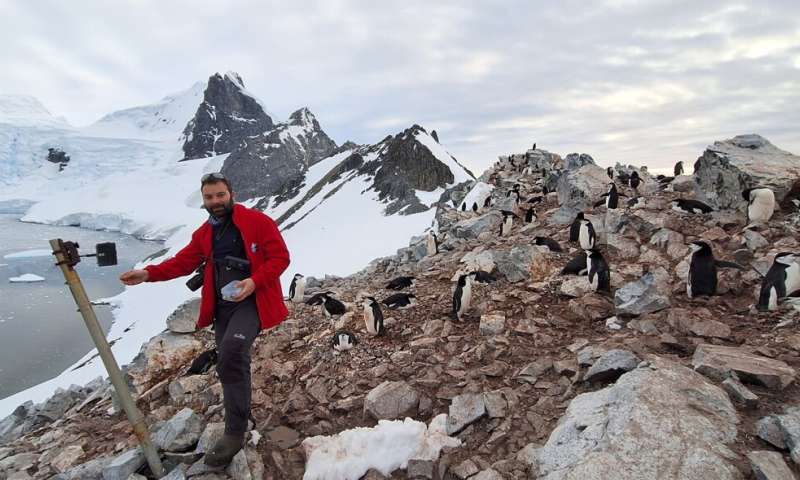
The study relied on 77 cameras overlooking colonies ranging from a dozen nests to hundreds of thousands. Lead researcher Dr. Ignacio Juarez Martínez manually services each camera once a year, hiking through icy conditions to download images, change batteries, and check equipment stability.
The cameras captured something else striking: penguin colonies are warming four times faster than the Antarctic average. While Antarctica heats up by 0.07°C per year, these colony sites warm by 0.3°C annually, making them among the fastest-warming habitats on Earth.
The Bright Side
This rapid adaptation shows nature's incredible resilience. Gentoo penguins, which eat varied diets and adapt more easily, appear to be thriving as Antarctica becomes less polar.
The massive camera network does more than count penguins. "Ecologists are good at counting populations to show trends, but often the early warnings of decline can be found in the behavioral change of animals," said Professor Tom Hart, who founded Penguin Watch. The system monitors both population numbers and behavioral responses to environmental threats.
These behavioral clues give scientists earlier warnings about ecosystem health than population counts alone. By catching changes in breeding patterns now, researchers can better understand how entire Antarctic food chains might shift in coming years.
The study proves that large-scale wildlife monitoring can track both survival and adaptation simultaneously. Understanding how different species respond to warming helps scientists predict which animals will thrive and which need protection as climates continue changing.
Antarctic penguins are rewriting their calendars, showing us that wildlife can adapt faster than we thought possible.
More Images
Based on reporting by Phys.org
This story was written by BrightWire based on verified news reports.
Spread the positivity!
Share this good news with someone who needs it

%2Fhttps%3A%2F%2Ftf-cmsv2-smithsonianmag-media.s3.amazonaws.com%2Ffiler_public%2F46%2Ff1%2F46f18bd2-beb5-4922-9fa0-6f5d63e35951%2Fwilliston-lake.jpg)