Antarctica: 60+ Years of Peace in a Divided World
While conflicts simmer worldwide, 30 countries have cooperated peacefully on Antarctica for over six decades. A new book reveals how this frozen continent became humanity's most successful experiment in international cooperation.
In a world struggling with geopolitical tensions, one place stands apart: Antarctica, where nearly 30 countries have worked side by side for more than 60 years without conflict.
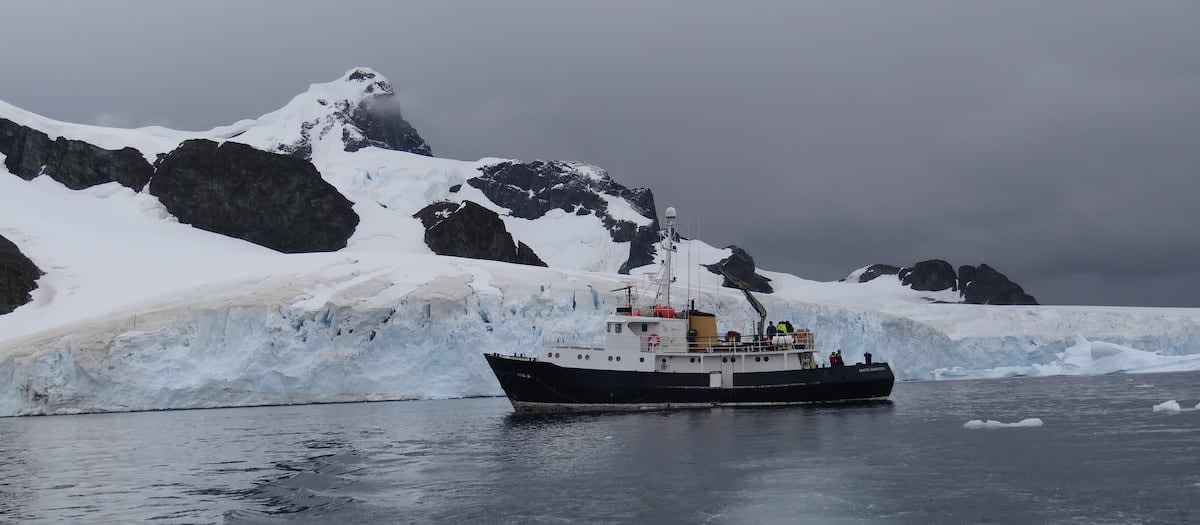
The Antarctic Treaty System, established in 1961, transformed the fifth-largest continent into a global laboratory for peace. Today, 70 scientific bases operate across its 14 million square kilometers, all devoted to peaceful research on climate, oceans, and ecosystems.
Horacio Werner, director of Agenda Antártica, recently co-authored "Antarctica as a Model for Global Peace" with 16 experts from 20 countries. The book explores why this unprecedented cooperation works when so many international agreements fail.
Five principles keep the peace, Werner explains. The continent cannot be militarized, and nuclear weapons are banned outright. All activities must be transparent and can be inspected by other nations at any time.
The third principle might be the cleverest: "constructive ambiguity." Countries with territorial claims agreed to freeze them without giving them up. Nobody wins the argument, but nobody fights either.
Decisions happen through dialogue and consensus, requiring agreement from all parties. The system stays flexible through complementary agreements that let it adapt to new challenges.
These aren't just nice ideas on paper. The treaty has survived Cold War tensions, resource discoveries, and shifting global powers. Even today, with cuts to U.S. polar research funding and concerns about geological prospecting, the Antarctic community remains committed to peaceful cooperation.
The Ripple Effect
Antarctica's success matters beyond its icy borders. The Southern Ocean surrounding it hosts one of the world's safest, least militarized maritime routes, carrying 80 to 90 percent of global trade.
As other routes face increasing tensions, from the Suez Canal to the South China Sea, keeping Antarctica peaceful protects crucial shipping lanes. South American nations particularly benefit from this stability, as routes connecting the Atlantic and Pacific pass near the Antarctic Peninsula.
The continent also holds about 70 percent of Earth's freshwater and plays a central role in regulating global climate. While it theoretically contains fossil fuels, extraction remains prohibited and would be extremely difficult beneath 3,000 meters of ice.
Werner sees Antarctica as proof that nations can choose cooperation over conflict. "If we don't actively work to build peace, what naturally arises is tension and conflict," he notes.
The treaty has no expiration date, despite rumors suggesting otherwise, and the Antarctic community shows no signs of abandoning this remarkable achievement in working together for the common good.
More Images

Based on reporting by Google: cooperation international
This story was written by BrightWire based on verified news reports.
Spread the positivity!
Share this good news with someone who needs it