Antarctica Gets Rare 'Ring of Fire' Solar Eclipse
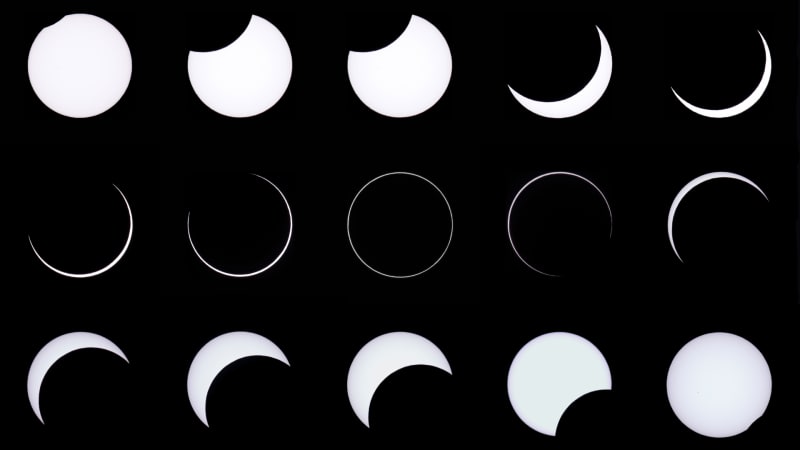
A spectacular annular solar eclipse just painted a fiery halo across Antarctica's skies, treating scientists at a remote research station to one of nature's most breathtaking shows. The cosmic alignment brought a moment of wonder to one of Earth's most isolated places.
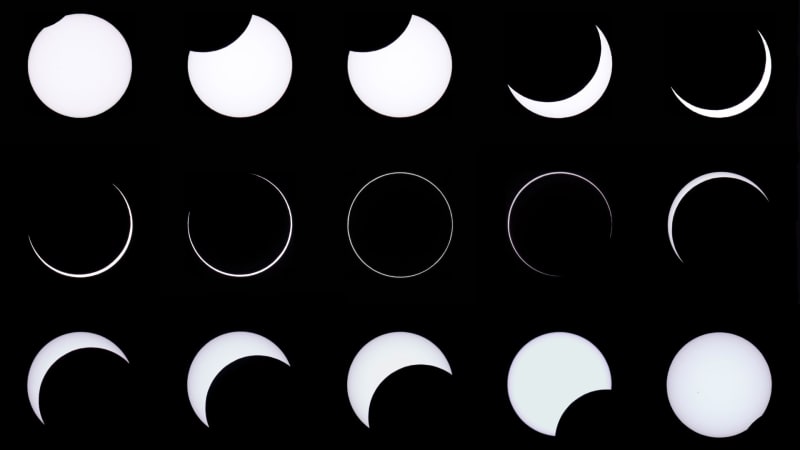
On February 17, the moon slipped perfectly between Earth and the sun, creating a glowing ring of fire above Antarctica that lasted just over two minutes.
The rare annular eclipse occurred because the moon was traveling through a distant point in its orbit, making it appear slightly smaller than usual in our sky. When it passed in front of the sun, it couldn't quite cover the entire solar disk, leaving a thin ring of brilliant light around its dark silhouette.
Scientists at Antarctica's Concordia research station got front-row seats to the spectacle. The station hosts fewer than 100 people at any time, making this one of the most exclusive cosmic events in recent memory.
The eclipse's path cut a 383-mile-wide corridor across the frozen continent. Outside that narrow band, about 176 million people across southern South America and parts of southern Africa witnessed a partial eclipse, where the moon appeared to take a bite out of the sun.
The show began at 4:56 a.m. EST and wrapped up at 9:27 a.m. EST, when the moon's shadow finally slipped away and the sun returned to its full glory.
Why This Inspires
This celestial dance reminds us that wonder exists everywhere, even in Earth's most remote corners. The handful of researchers who witnessed totality experienced something most of us will never see, a humbling reminder of our place in a vast and beautiful universe.
Solar eclipses have fascinated humanity for thousands of years, and modern technology now lets us predict them with incredible accuracy. What once frightened ancient civilizations now draws scientists and skywatchers together in shared awe.
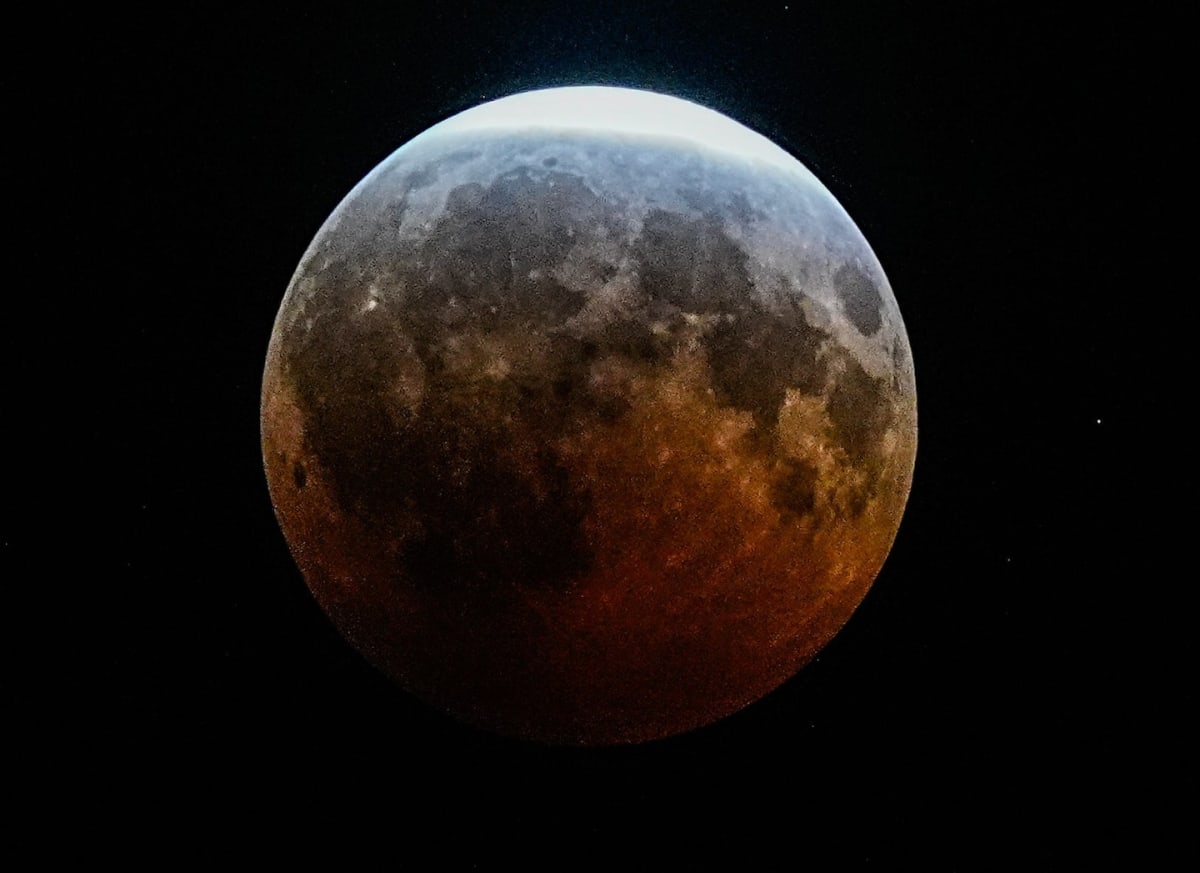
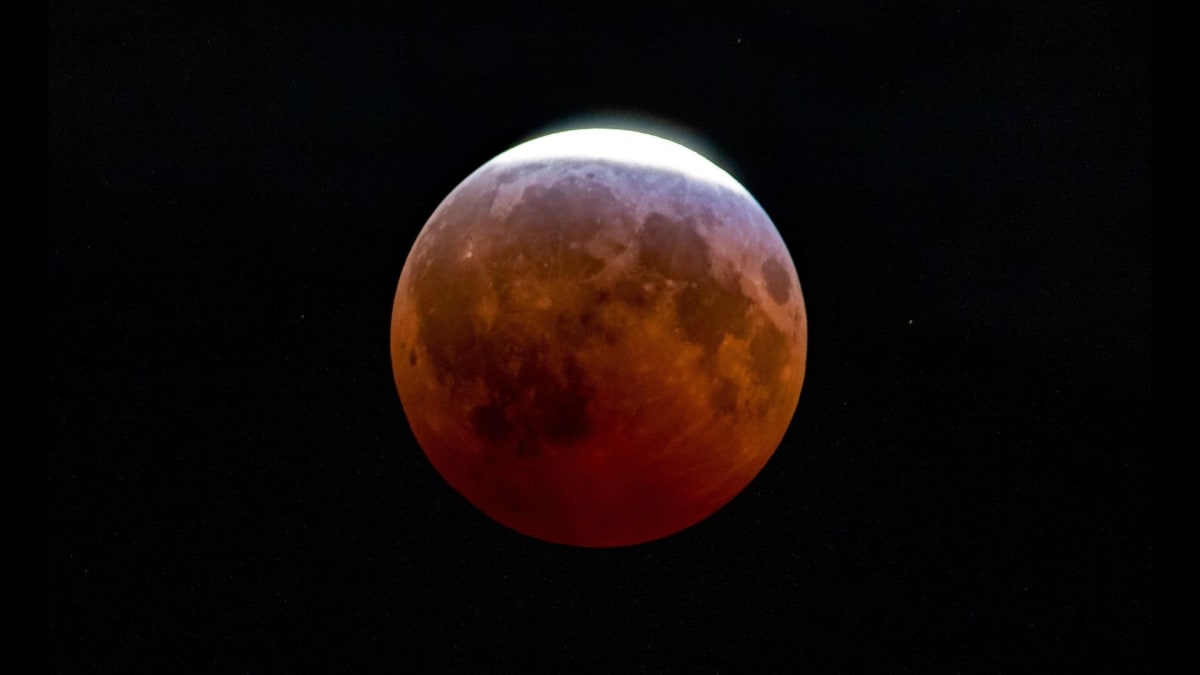
More cosmic treats are coming soon. A total lunar eclipse will grace the skies on March 3, visible to over 2.5 billion people across North America and beyond. Then on August 12, a total solar eclipse will create another opportunity for wonder.
The universe keeps putting on free shows for anyone willing to look up.
More Images

Based on reporting by Space.com
This story was written by BrightWire based on verified news reports.
Spread the positivity!
Share this good news with someone who needs it