Antarctica Tests Green Hydrogen in Extreme Cold
Chilean and European scientists just validated renewable hydrogen energy systems at a research station in Antarctica, proving clean energy can work in Earth's harshest conditions. The breakthrough could revolutionize power solutions for isolated communities worldwide.
Scientists have successfully tested a green hydrogen energy system in Antarctica, proving that renewable power can survive and thrive in one of the planet's most brutal environments.
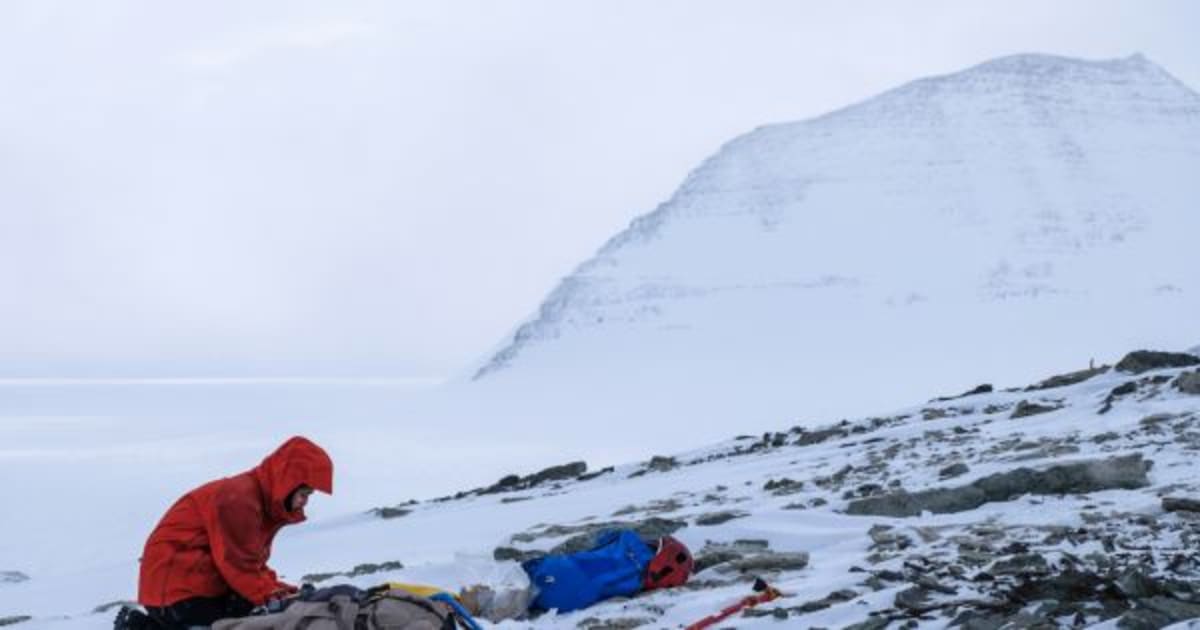
A team from Chile and the European Union completed technical validation at the Profesor Julio Escudero research station on King George Island. The pilot project tested hybrid energy systems designed to generate power using only renewable hydrogen in extreme cold conditions.
The initiative received approximately $200,000 in funding from Germany's GIZ development agency and the European Union. Building the infrastructure presented unique challenges, including constructing on Antarctica's frozen permafrost soils where traditional foundations don't work.
"This generates high-value knowledge for energy infrastructure planning in isolated areas worldwide," said Javier Ortiz de Zúñiga, who directs GIZ's Energy Portfolio in Chile. The team deliberately chose Antarctica as a testing ground because if renewable hydrogen works there, it can work almost anywhere.
The Ripple Effect spreads far beyond the frozen continent. Remote communities in mountain regions, islands, and desert areas struggle with reliable power access because traditional electrical grids can't reach them. Diesel generators currently provide their only option, creating pollution and requiring constant fuel deliveries.
This validation proves that renewable hydrogen systems can replace those polluting generators even in the coldest, most isolated locations on Earth. The technical data collected will help engineers design similar systems for communities in Alaska's Arctic villages, Chile's remote Patagonian settlements, and island nations throughout the Pacific.
The project also strengthens scientific cooperation between Chile and Europe on clean energy technology. Mercedes Rodríguez Sarro from the EU Delegation in Chile noted the visit advances both the green energy transition and international biodiversity commitments, including protecting Antarctic marine ecosystems.
Antarctica has become a living laboratory where scientists can test tomorrow's clean energy solutions under today's toughest conditions. The frozen testing ground provides data that accelerates the global shift away from fossil fuels.
When renewable energy systems can power research stations at the bottom of the world, they prove that clean power isn't just possible—it's practical everywhere.
More Images
Based on reporting by Google News - Chile Renewable Energy
This story was written by BrightWire based on verified news reports.
Spread the positivity!
Share this good news with someone who needs it