Antarctica's First Dinosaur Bone Hid in Drawer for 40 Years
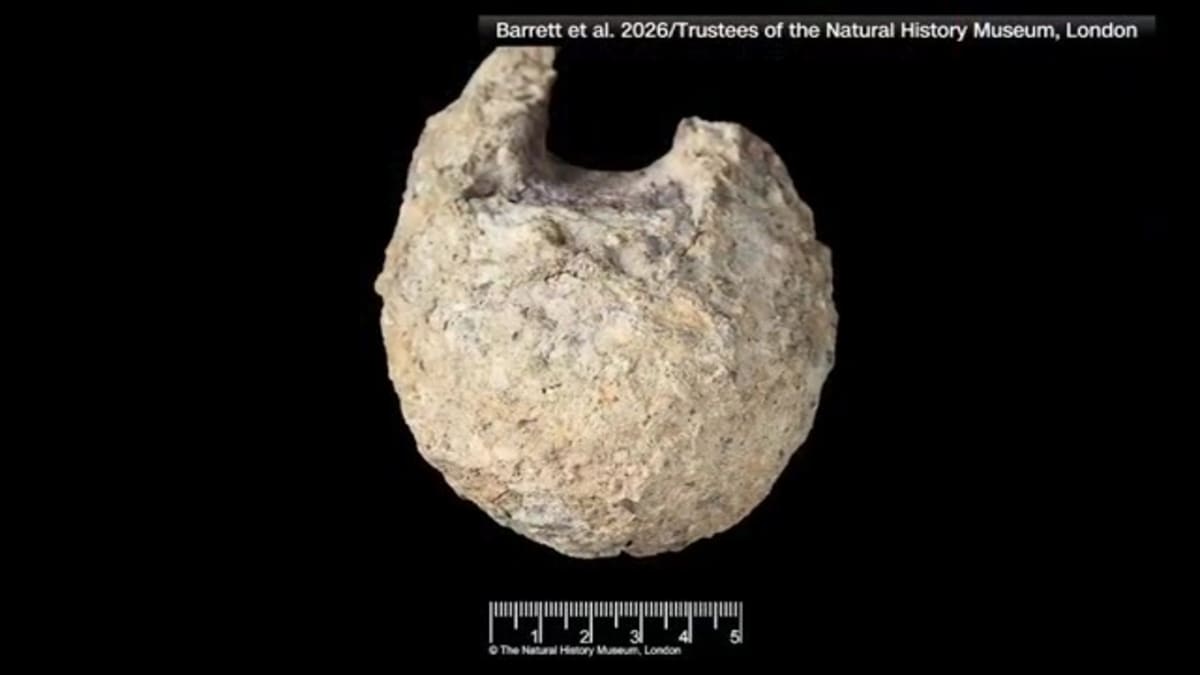
A fossil discovered in 1985 but stored away for decades has finally been identified as Antarctica's first ever dinosaur bone. The find proves that giant long-necked dinosaurs once roamed the now-frozen continent when it was covered in lush forests.
A single backbone bone sitting forgotten in a storage drawer just rewrote the history of life on the coldest continent on Earth.
Mark Evans, a paleontologist with the British Antarctic Survey, was reviewing old specimens when something caught his eye. A fossil collected in 1985 looked different from what previous scientists had labeled it: a large reptile bone.
Evans was right to trust his instincts. The four-inch wide vertebra actually belonged to a Titanosaur, one of the massive long-necked plant-eating dinosaurs that once walked our planet.
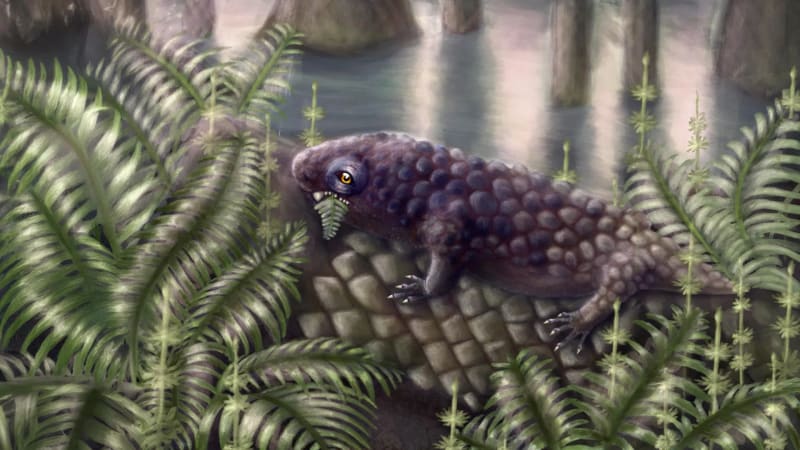
This particular dinosaur was relatively small for its kind, stretching about 20 to 23 feet long. It lived around 82 million years ago during the Late Cretaceous period, when Antarctica looked nothing like the icy wasteland we know today.
Back then, the continent was covered in warm, lush forests teeming with life. The dinosaur munched on abundant vegetation under temperate skies, part of a thriving ecosystem that's hard to imagine now.
The discovery marks the first dinosaur fossil ever found in Antarctica. While that sounds surprising, it makes perfect sense: most of the continent stays buried under thick ice, making fossil hunting nearly impossible.
The find also helps scientists understand how dinosaurs traveled across ancient continents. During the Cretaceous period, Antarctica was part of Gondwana, a massive supercontinent that connected South America, Australia, and Africa.
Why This Inspires
This story reminds us that groundbreaking discoveries don't always come from new expeditions or fancy technology. Sometimes the answers we're looking for are already sitting on a shelf, waiting for the right person to take a second look.
Mark Evans could have easily skipped over that drawer. Instead, his curiosity and expertise revealed a piece of prehistoric life that had been hiding in plain sight for four decades.
Roy Smith from the University of Portsmouth called it a "wonderful reminder" about the value of scientific collections. Museums and research centers around the world hold millions of specimens, each one a potential key to understanding our planet's past.
As climate change causes Antarctic ice to retreat, scientists expect to find more dinosaur fossils in the years ahead. Each discovery will paint a clearer picture of the vibrant world that existed before the ice took over.
One small bone, one curious scientist, and forty years of patience just opened a window into Antarctica's forgotten age of giants.
Based on reporting by Google: fossil discovery
This story was written by BrightWire based on verified news reports.
Spread the positivity!
Share this good news with someone who needs it