Antarctica's Penguins Get Front Row to Ring of Fire Eclipse
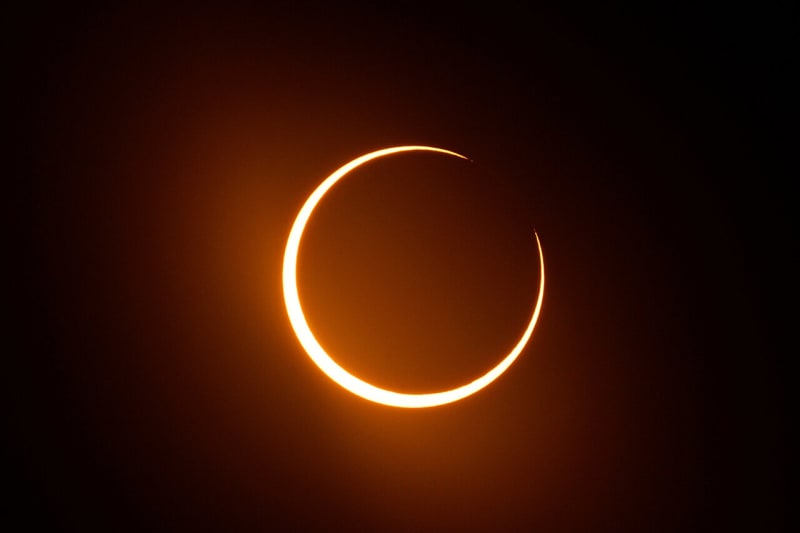
The first solar eclipse of 2026 brings a celestial treat to Earth's southernmost continent, where research teams and wildlife will witness a stunning "ring of fire" in the sky. This rare annular eclipse offers a dazzling reminder of the beautiful cosmic dance happening right above us.
Imagine being a penguin in Antarctica and looking up to see the sun transform into a glowing ring of fire.
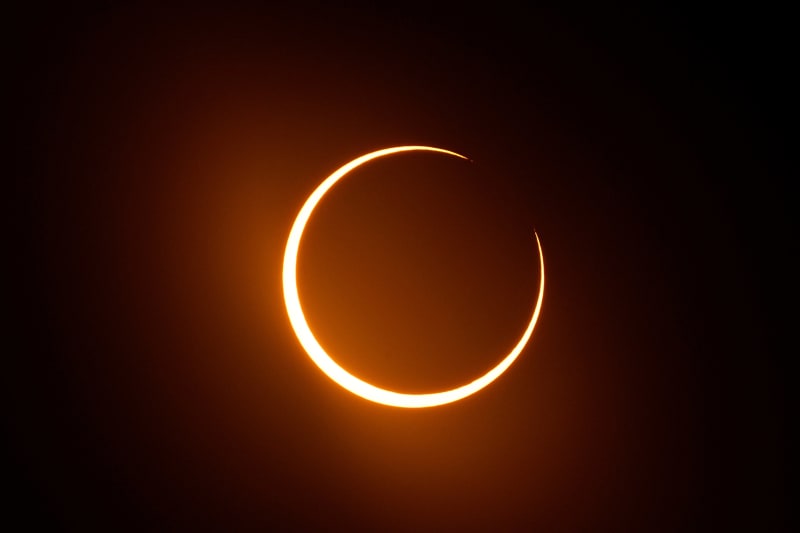
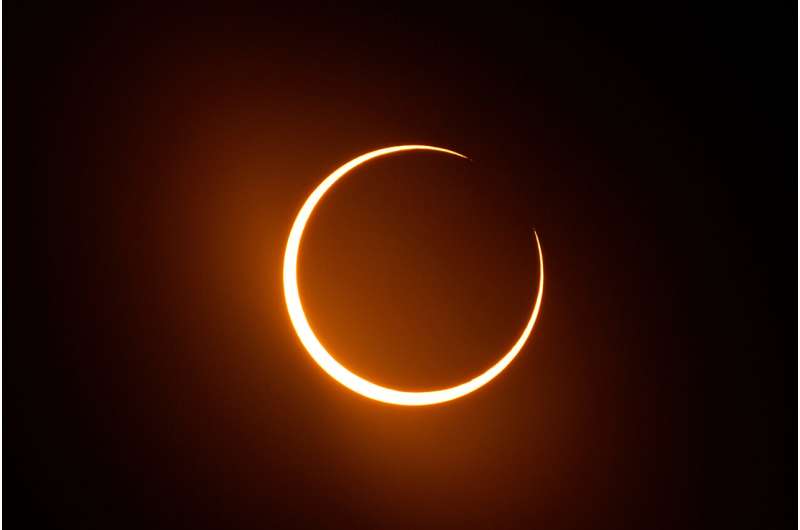
That's exactly what's happening Tuesday when the first solar eclipse of 2026 puts on a show for the southernmost continent. Research station crews and Antarctica's abundant wildlife will get front row seats to this annular eclipse, where the moon passes in front of the sun but doesn't quite cover it completely.
"The penguins down there are going to have a great show," said astronomer Joe Llama with Lowell Observatory. The eclipse happens because the moon is a bit farther away from Earth in its orbit, leaving a brilliant ring of sunlight visible around its edges.
People in the tips of Chile and Argentina, plus parts of southeastern Africa including Madagascar, Lesotho, and South Africa, can catch a partial eclipse if skies stay clear. They'll see small bites taken out of the sun as the moon's shadow sweeps past.
Solar eclipses happen when the sun, moon, and Earth line up in what astrophysicist Emily Rice calls "this beautiful coincidence between the size and the distance of the moon and the sun." These cosmic alignments occur a few times each year, but they're only visible from specific spots in the moon's shadow path.
Why This Inspires
This eclipse reminds us that wonder exists everywhere, even in the most remote corners of our planet. While most of us won't see Tuesday's ring of fire, we can still participate in the magic by making simple pinhole projectors at home or holding up a colander to see tiny eclipse images projected on the ground.
The best news? Skygazers won't have to wait long for another chance. A total solar eclipse arrives in August for people in Greenland, Iceland, Spain, Russia, and part of Portugal, with partial views across Europe, Africa, and North America.
These celestial events connect us to something bigger than our daily routines. They've inspired humanity for thousands of years and continue bringing people together under shared skies, reminding us we're all passengers on this spinning rock watching the same cosmic show.
Even the penguins are looking up.
More Images

Based on reporting by Phys.org
This story was written by BrightWire based on verified news reports.
Spread the positivity!
Share this good news with someone who needs it