Antarctica's "Ring of Fire" Eclipse Arrives in One Week
On February 17, the moon will slide in front of the sun to create a stunning "ring of fire" over Antarctica, visible for nearly two minutes. Millions of penguins and lucky researchers will witness one of nature's most breathtaking celestial shows.
Next week, the sky over Antarctica will transform into something straight out of a science fiction movie when the moon creates a glowing ring of fire around the sun.
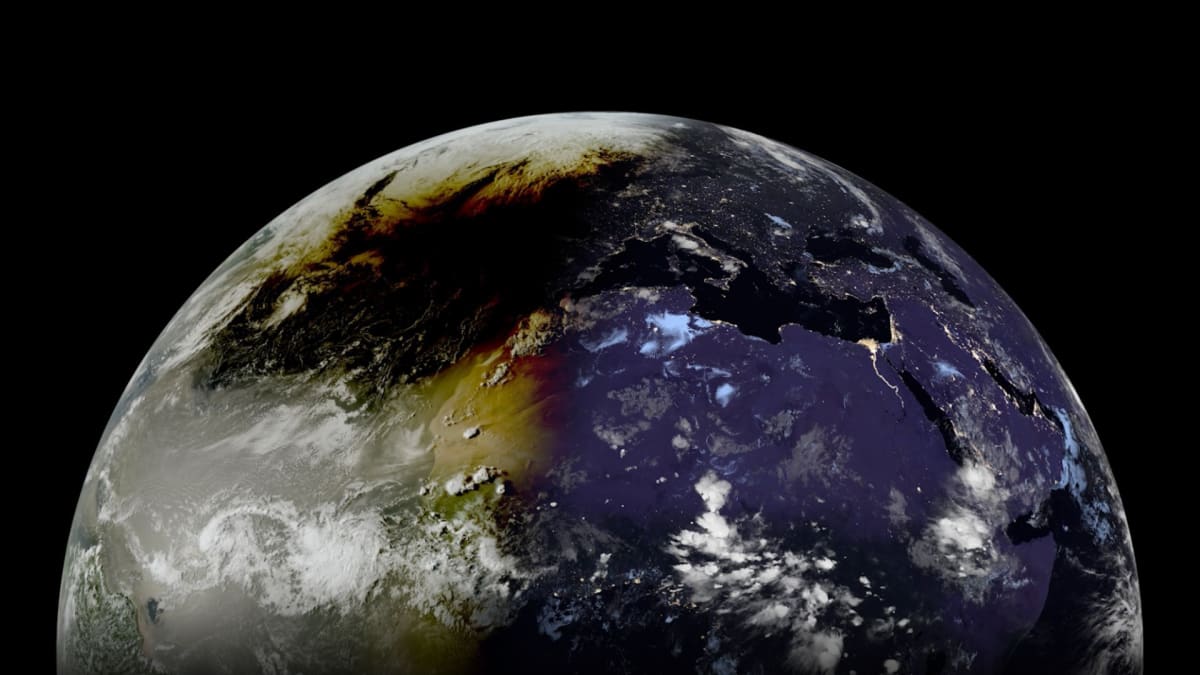
On February 17, an annular solar eclipse will grace the frozen continent as the moon passes between Earth and the sun. The phenomenon happens thanks to an amazing cosmic coincidence: the moon is 400 times smaller than the sun, which sits exactly 400 times farther from Earth, making both objects appear the same size in our sky.
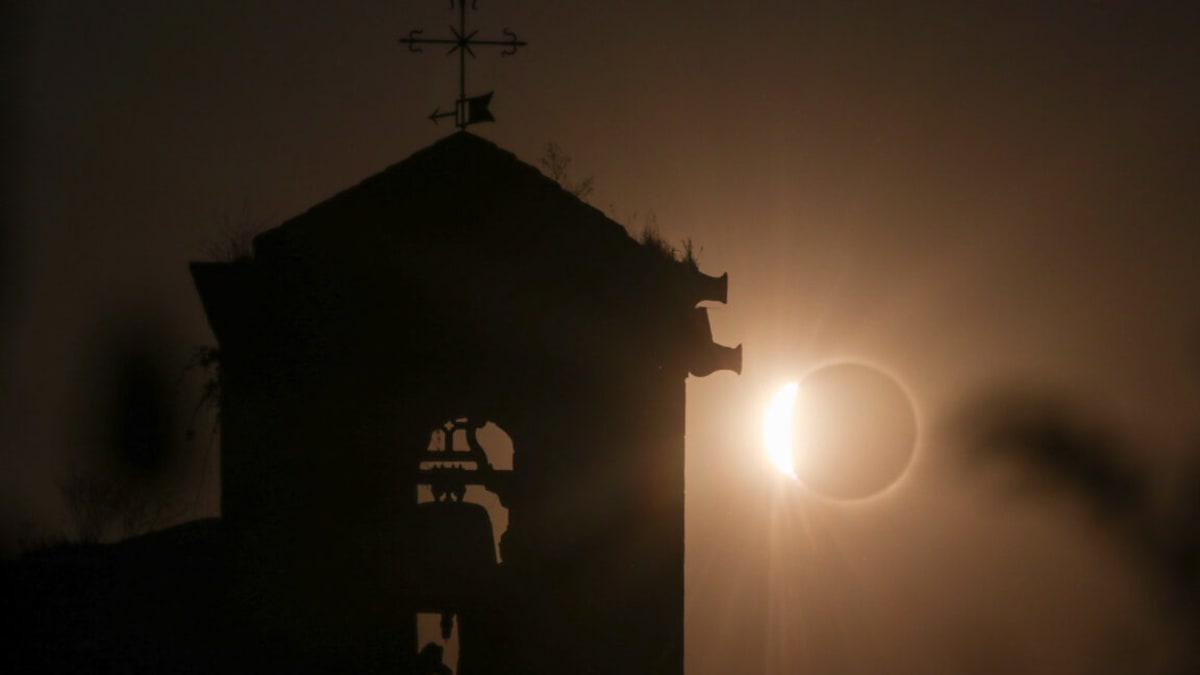
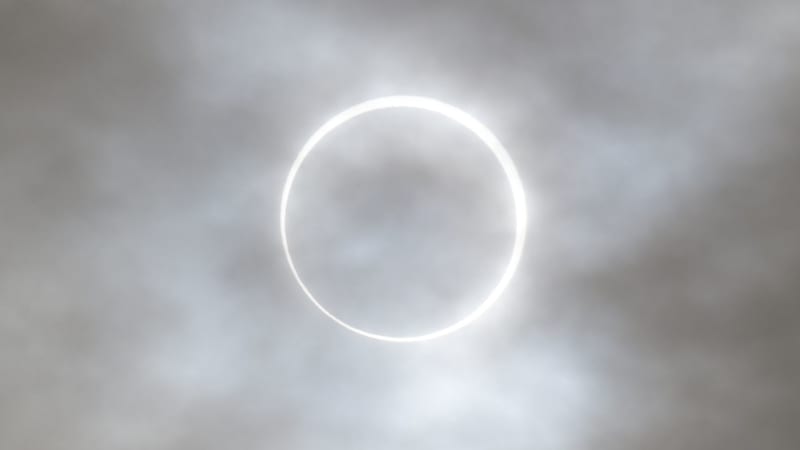
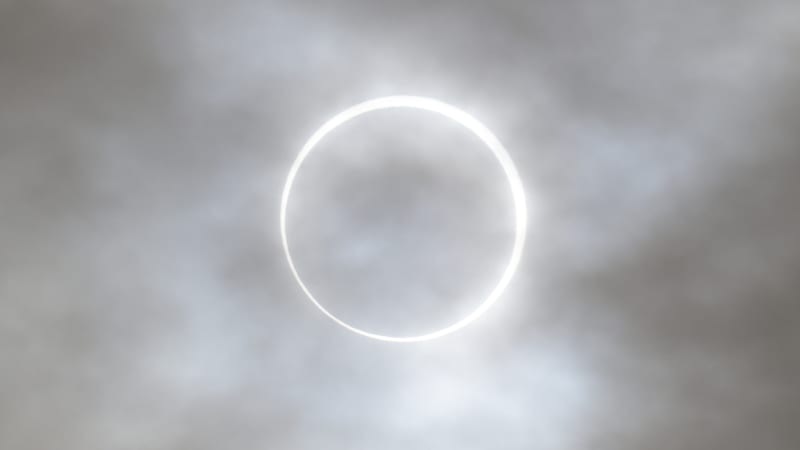
The spectacular show begins at 7:12 a.m. EST and will last for 1 minute and 52 seconds. During this time, the moon will cover most of the sun's surface while leaving its outer rim visible, creating a burning halo that gives the eclipse its "ring of fire" nickname.
Only a handful of humans stationed at Antarctic research bases will see the full ring effect, along with the continent's millions of penguin residents who might find themselves temporarily confused by the sudden dimming. Skywatchers in southern South America, southeastern Africa, and parts of the Pacific, Atlantic, and Indian Oceans will still catch a partial eclipse, where the moon appears to take a bite out of the sun.
The event happens because the moon follows an elliptical orbit around Earth. When it's farther away during its new moon phase and passes directly in front of the sun, it appears slightly smaller and can't completely block out our parent star.
Why This Inspires
This eclipse reminds us that we live on a planet where extraordinary cosmic alignments create moments of pure wonder. The mathematical perfection required for these events, where distances and sizes align so precisely, shows just how special our view of the universe truly is. Even in one of Earth's most remote locations, nature puts on shows that connect us all through shared amazement.
Remember that looking directly at the sun requires proper eclipse glasses or solar viewing equipment to protect your eyes. And with another total solar eclipse coming on August 12, now's the perfect time to prepare your viewing gear for these rare celestial gifts.
More Images

Based on reporting by Space.com
This story was written by BrightWire based on verified news reports.
Spread the positivity!
Share this good news with someone who needs it