Apache Trout Becomes First Gamefish Saved From Extinction
Once nearly lost forever, two rare trout species in the American Southwest have made a stunning comeback thanks to 50 years of partnership between tribes, states, and conservationists. The Apache trout just became the first gamefish ever removed from the endangered species list due to recovery.
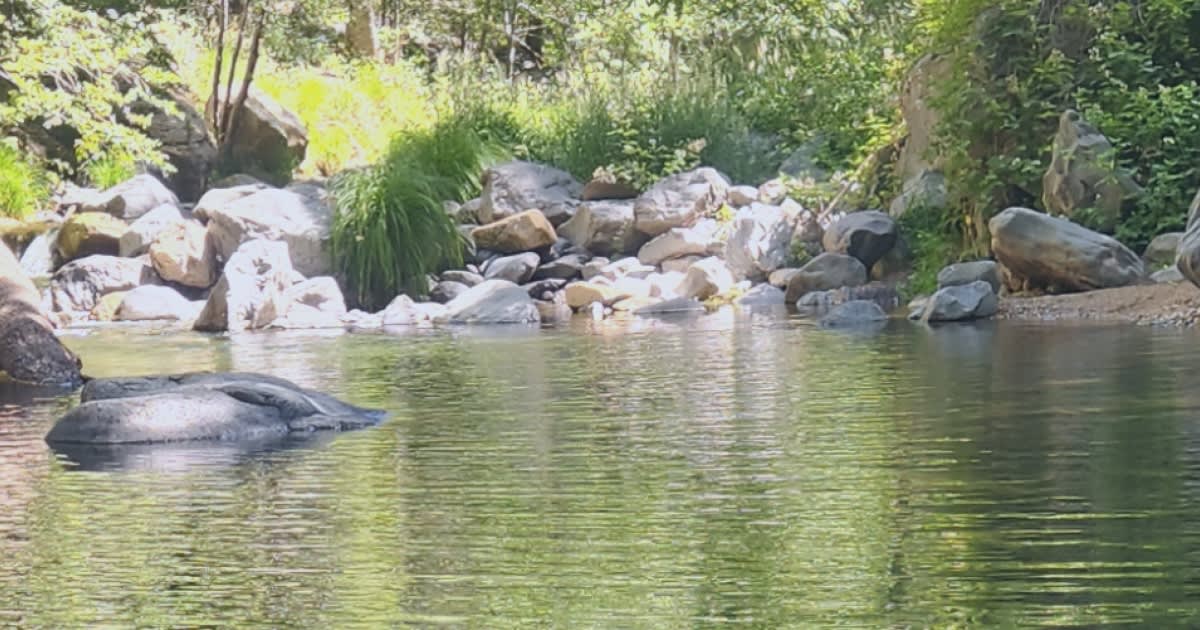
High in the remote mountain streams of the American Southwest, two species of golden trout are thriving again after nearly disappearing from Earth forever.
The Gila trout and Apache trout once swam freely through cold mountain waters across Arizona and New Mexico. But habitat loss, wildfires, overfishing, and invasive species pushed both to the brink of extinction over 50 years ago, making them among the first fish ever placed on the endangered species list.
Today, these rare trout are staging one of conservation's most impressive comebacks. In 2024, the Apache trout became the first gamefish in American history to be removed from the endangered species list due to recovery. The Gila trout, upgraded from endangered to threatened in 2006, now thrives in designated streams where anglers travel from around the world to catch them.
The recovery didn't happen by accident. It took half a century of dedicated work from an unlikely alliance of partners who refused to give up.
"These fish only exist in really rugged and breathtakingly beautiful places in one small part of the world," said Zac Jackson, a biologist with the U.S. Fish and Wildlife Service. "The fact that these fish are still around in these isolated areas feels like a testament to their perseverance."
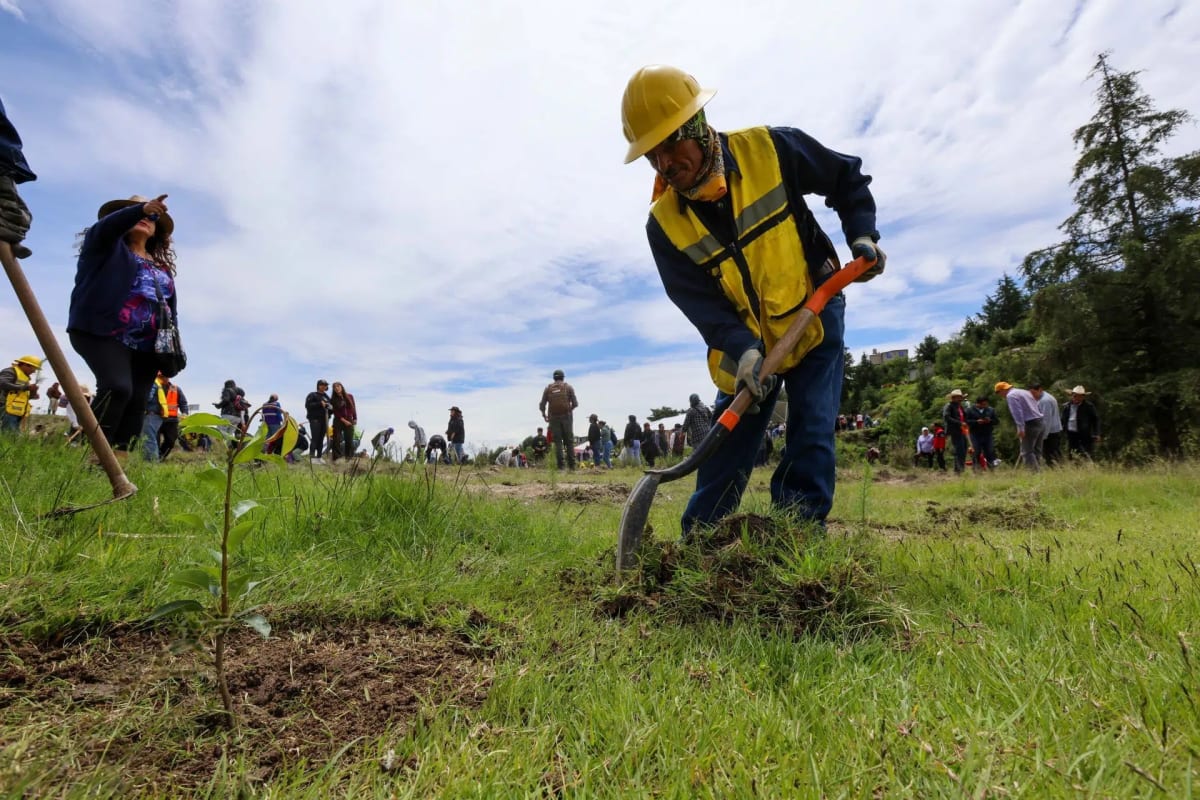
The White Mountain Apache Tribe started protecting Apache trout habitat before the Endangered Species Act even existed. Conservation efforts in New Mexico began in the 1920s. Over the decades, tribal governments, state wildlife departments, federal agencies, universities, and even recreational fishing groups joined forces.
Together, they removed invasive fish species, restored damaged streams, improved breeding techniques at fish hatcheries, and created protected areas. The partners still meet annually to share what works and solve new challenges.
The Ripple Effect
The trout recovery shows what's possible when diverse groups unite around a shared goal. Federal scientists worked alongside tribal elders who understood that protecting one species meant protecting entire ecosystems. State agencies collaborated with nonprofit organizations and everyday anglers who wanted future generations to experience these golden fish.
"Our traditional Apache leaders understood long ago that protecting the Apache Trout meant safeguarding the ecosystem around it," said Tim Gatewood, fisheries manager for the White Mountain Apache Tribe. "Every day, I am reminded that this is more than a job; it is a calling rooted in respect, gratitude, and stewardship."
The success has inspired similar cooperative efforts for other at-risk species across the Southwest. It proves that even species on the edge of extinction can recover when communities commit to long-term stewardship.
These ancient fish, survivors of ice ages and droughts, now have a fighting chance for another 50 years and beyond.
Based on reporting by Google News - Endangered Species Recovery
This story was written by BrightWire based on verified news reports.
Spread the positivity!
Share this good news with someone who needs it