Ape Sanctuary Locks Down to Protect 200 Primates From Ebola
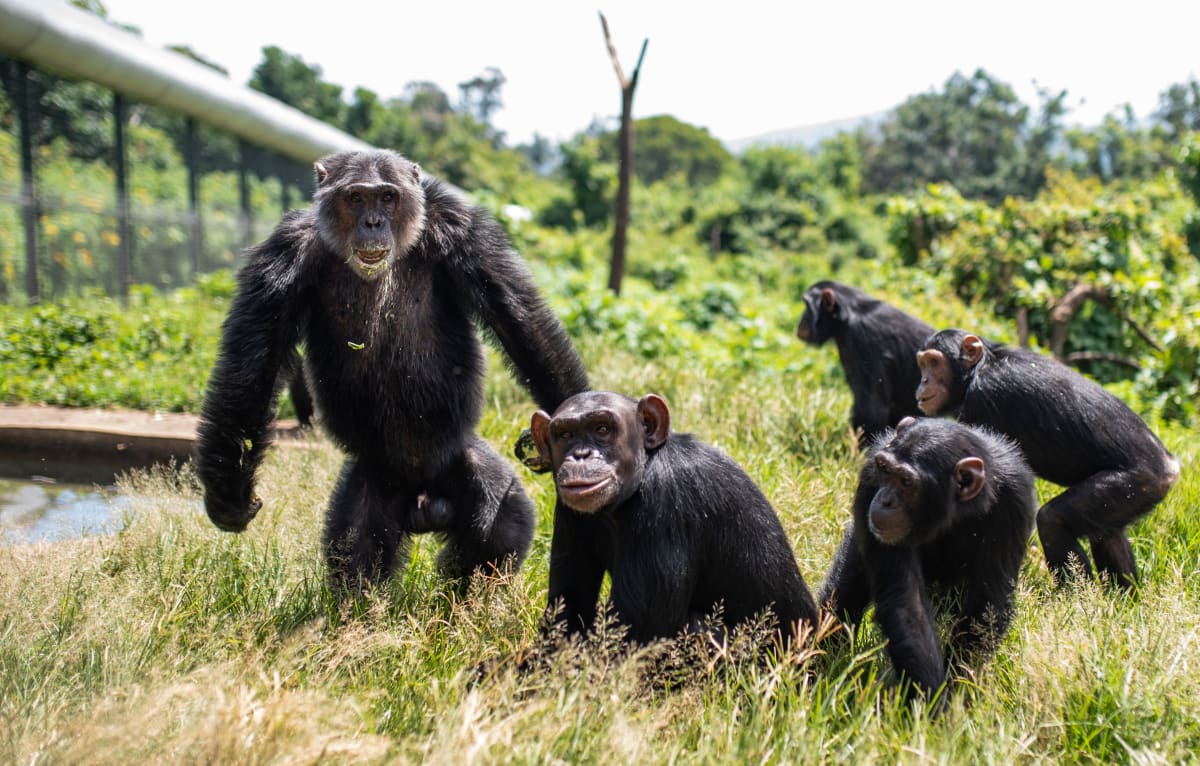
An ape sanctuary in Congo has isolated 200 rescued primates and their caretakers as an Ebola outbreak spreads nearby. Fifteen staff members have voluntarily locked themselves inside with the animals, disinfecting everything from food to bedding materials to keep the apes safe.
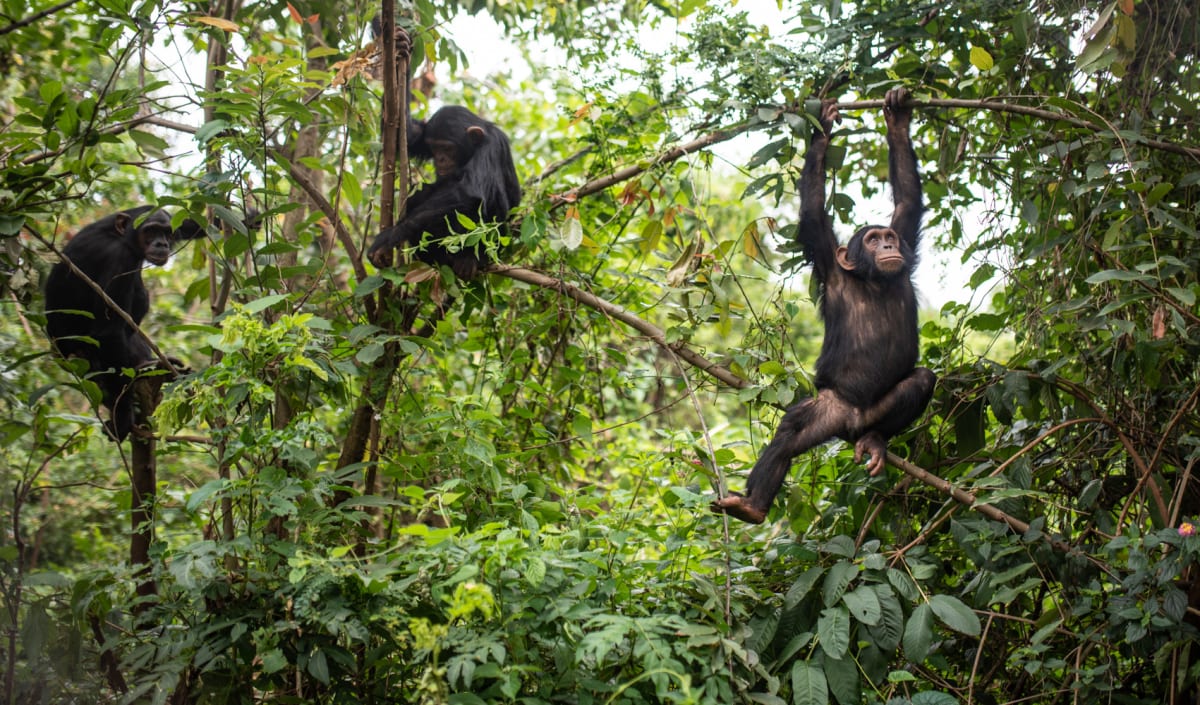
When Ebola reached just 1.2 miles from their door, the team at Lwiro Primates Rehabilitation Center made a bold choice: lock down completely to protect 237 chimpanzees and monkeys who have already survived poaching and illegal trade.
Since May 23, fifteen dedicated staff members have cut themselves off from the outside world. They're living full-time inside the sanctuary in South Kivu province, eastern Congo, after a local man who traveled to the outbreak's epicenter died from the virus.
The protocol is meticulous. Twice daily, veterinarians check temperatures of both staff and animals. Food deliveries arrive at the sanctuary gates, where workers spray everything with bleach before bringing it inside.
Even the chimpanzees' bedding gets special treatment. The apes build fresh sleeping nests daily using vegetation, so workers collect dry banana leaves every morning, disinfect them with bleach at the entrance, let them dry, and then give them to the chimps.
Handwashing stations now dot the sanctuary grounds, stocked with water, bleach and soap. Each keeper carries their own supply of hand sanitizer, plus face masks and gloves. Washing hands before feeding animals and after bathroom breaks is now mandatory.
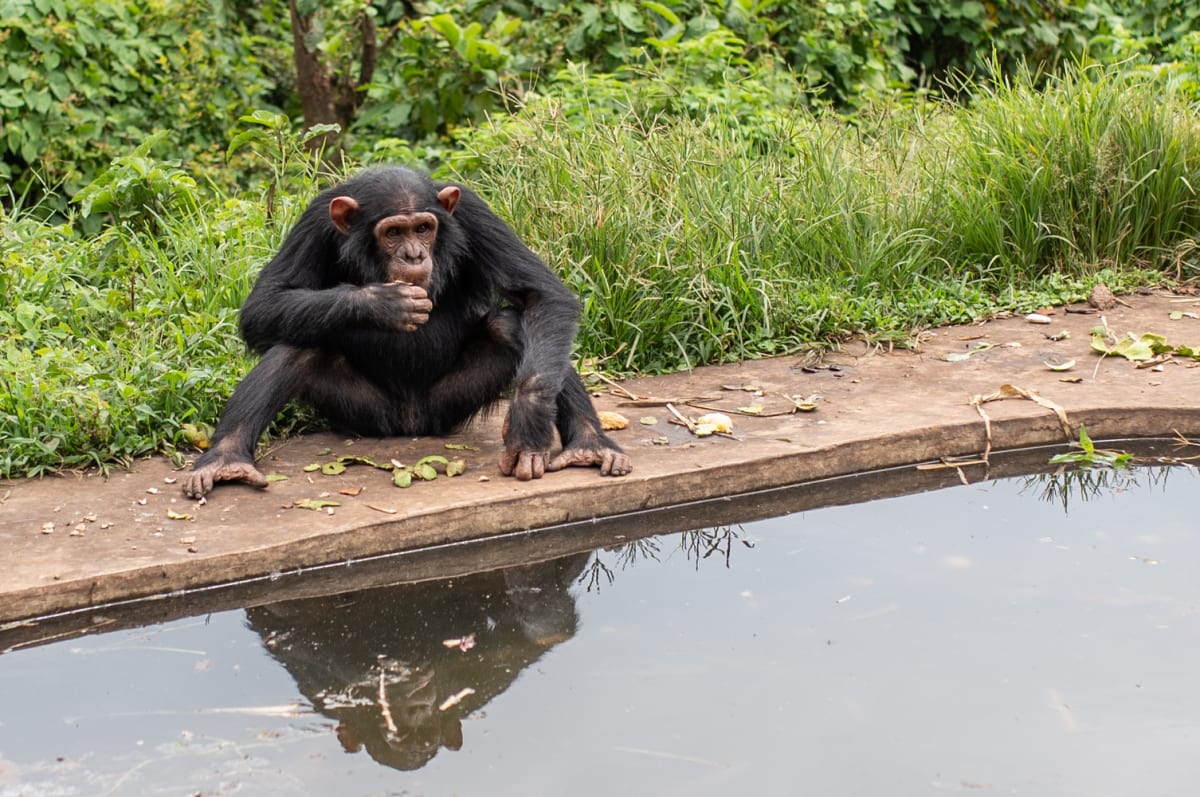
The sanctuary houses 129 chimpanzees and 108 monkeys of various species, including olive baboons, yellow baboons and blue monkeys. Parrots, turtles and porcupines also call it home.
While no documented cases exist of Ebola spreading from humans to great apes, the team isn't taking chances. The virus has devastated wild ape populations before. Western lowland gorillas earned their "critically endangered" status partly because Ebola outbreaks have killed so many in the wild.
Why This Inspires
This lockdown shows what happens when people truly value the lives they've pledged to protect. These staff members didn't just implement safety measures from a distance. They moved in completely, sharing the same isolation as the animals they care for.
Their dedication matters beyond this one sanctuary. Conservation partners across the Greater Virunga region, which spans Congo, Rwanda and Uganda, are now activating similar emergency plans. This vulnerable zone contains three national parks and three great ape species, including mountain gorillas and eastern chimpanzees.
The initial 10-day lockdown will extend as long as needed, depending on how the outbreak progresses in nearby communities. Four deaths have already been recorded in the Lwiro area, all connected to that first case.
But inside the sanctuary walls, temperatures stay normal, electric fences work perfectly, and 237 rescued animals remain healthy thanks to fifteen people who chose to stay.
More Images

Based on reporting by Mongabay
This story was written by BrightWire based on verified news reports.
Spread the positivity!
Share this good news with someone who needs it