Apple Watch Cuts Hospital Visits After Heart Procedure
Heart patients using Apple Watches for daily check-ins after ablation surgery had fewer emergency hospital visits, despite catching more irregular rhythms. A London study shows how putting monitoring in patients' hands could transform follow-up care.
Heart patients are getting better care after surgery, and it's partly thanks to a device many already wear on their wrist.
Researchers at St Bartholomew's Hospital in London tested a simple idea: What if patients recovering from atrial fibrillation ablation monitored their own hearts daily with an Apple Watch? The results, published in the Journal of the American College of Cardiology, show promise for making recovery safer and less stressful.
Atrial fibrillation ablation is a procedure where doctors use heat or cold to destroy heart tissue causing irregular rhythms. The tricky part comes after, when doctors need to watch for recurrences without constantly bringing patients back to the clinic.
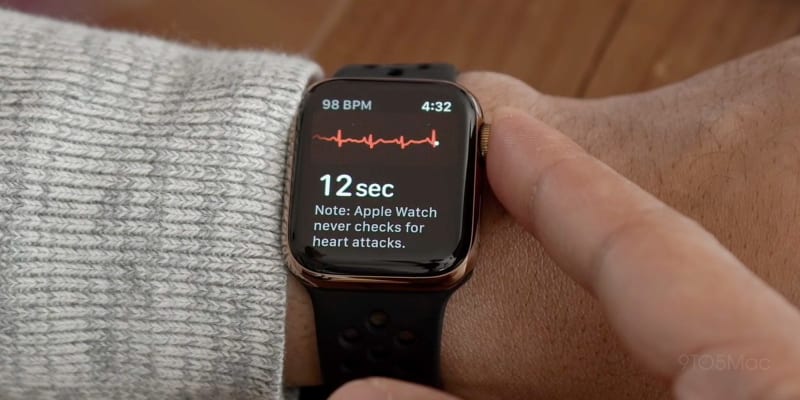
The study split patients into two groups. One received Apple Watches and took daily ECG readings, plus extra checks whenever they felt symptoms or got a notification. A clinical team reviewed the results remotely. The other group got standard care with clinic visits at 3, 6, and 12 months.
The Apple Watch group caught irregular rhythms earlier and more often. After the initial 90-day recovery period, their median time to first detected recurrence was 116 days versus 132 days for standard care. By the study's end, watches detected recurrences in 52.9% of patients compared to just 34.9% in the control group.
The watches excelled at catching paroxysmal AFib, the intermittent kind that's easy to miss during occasional clinic visits. These brief episodes can vanish before a patient even makes it to the doctor's office.
The Bright Side
Here's the counterintuitive good news: Even though the Apple Watch group caught more problems, they had fewer unplanned hospitalizations. Catching issues early meant doctors could adjust treatment proactively rather than waiting for emergencies. Rates of repeat ablations stayed similar between both groups, suggesting the watches weren't creating false alarms that led to unnecessary procedures.
The approach shifts heart monitoring from occasional snapshots to continuous daily life. Patients become active participants in their recovery, and doctors get real-world data about what's happening between clinic visits.
This isn't just about the initial diagnosis anymore. The study demonstrates how consumer technology can support long-term medical management, potentially keeping people healthier while reducing the burden on emergency departments.
For the thousands who undergo AFib ablation each year, a watch on the wrist might mean better peace of mind and fewer surprise trips to the hospital.
More Images


Based on reporting by Google News - New Treatment
This story was written by BrightWire based on verified news reports.
Spread the positivity!
Share this good news with someone who needs it