Arabian Leopards Get $51M Boost to Save Their Species
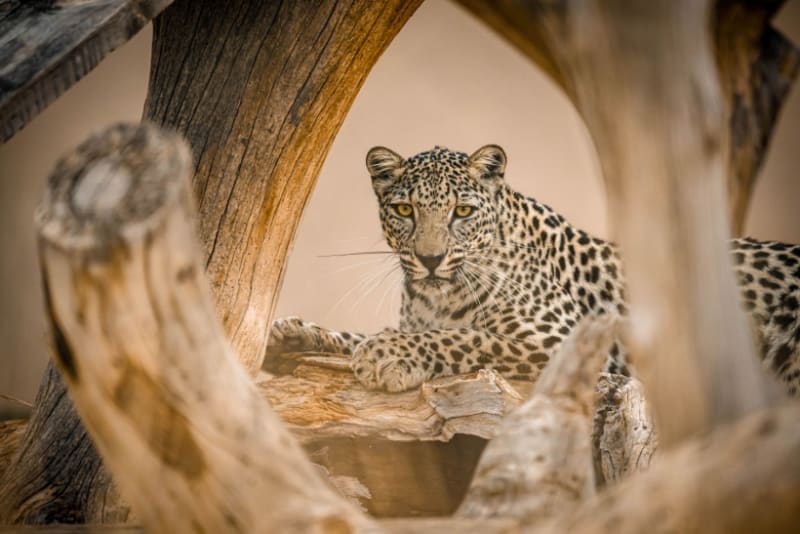
With fewer than 120 Arabian leopards left in the wild, a groundbreaking $51.6 million partnership between the Smithsonian and Saudi Arabia's Royal Commission for AlUla is racing to save one of the world's rarest big cats. The collaboration will bring these critically endangered leopards to Washington, D.C. for the first time, connecting millions to conservation science while supporting breeding and rewilding efforts.
One of the world's rarest big cats is getting a lifeline that could mean the difference between extinction and recovery.
The Smithsonian's National Zoo and the Royal Commission for AlUla announced a major expansion of their partnership to save the Arabian leopard, a species reduced to fewer than 120 individuals in the wild. The $51.6 million gift will fund everything from cutting-edge genetic research to a stunning new exhibit opening in 2029.
The announcement came on February 10, International Day of the Arabian Leopard, marking a significant moment for a species teetering on the edge. Once roaming freely across the Arabian Peninsula, these magnificent cats have been devastated by habitat loss, hunting, and disappearing prey populations.
Starting in late summer 2026, construction will begin on the first Arabian leopard exhibit ever built outside the Arabian Peninsula. The Washington, D.C. zoo will welcome a pair of ambassador leopards under a 15-year agreement, with any cubs eventually joining the rewilding program in Saudi Arabia.
The exhibit design draws inspiration from the leopards' native landscape, featuring curves and textures that mirror rocky outcrops, desert terrain, and natural water channels. Visitors will experience both indoor and outdoor viewing areas, plus a live webcam to watch these rare cats from anywhere in the world.
The Ripple Effect
This partnership extends far beyond one exhibit. Scientists from both organizations will conduct cooperative research in genetics, reproductive science, and population management across two continents.
The Royal Commission for AlUla leads recovery efforts focused on habitat restoration and advanced breeding techniques in Saudi Arabia. The Smithsonian brings decades of experience helping more than 25 rare species bounce back from near extinction.
"This partnership allows us to do what we do best—apply science to help bring a species back from the brink," said Brandie Smith, director of the Smithsonian's conservation institute. The collaboration connects public education with hands-on conservation work, helping millions understand what's at stake.
The exhibit will be completely free to visit, continuing the zoo's tradition of accessible conservation education. Visitors will see firsthand how scientists protect endangered species while learning about the desert ecosystems these leopards call home.
Every cub born in Washington represents hope for wild populations, as all offspring will eventually support reintroduction efforts across the Arabian Peninsula.
The future of the Arabian leopard now rests on science, collaboration, and a shared commitment to preventing extinction—one carefully bred cub at a time.
Based on reporting by Google News - Endangered Species Recovery
This story was written by BrightWire based on verified news reports.
Spread the positivity!
Share this good news with someone who needs it