Archivist Saves 20,000 Aboriginal Family Records at Age 100
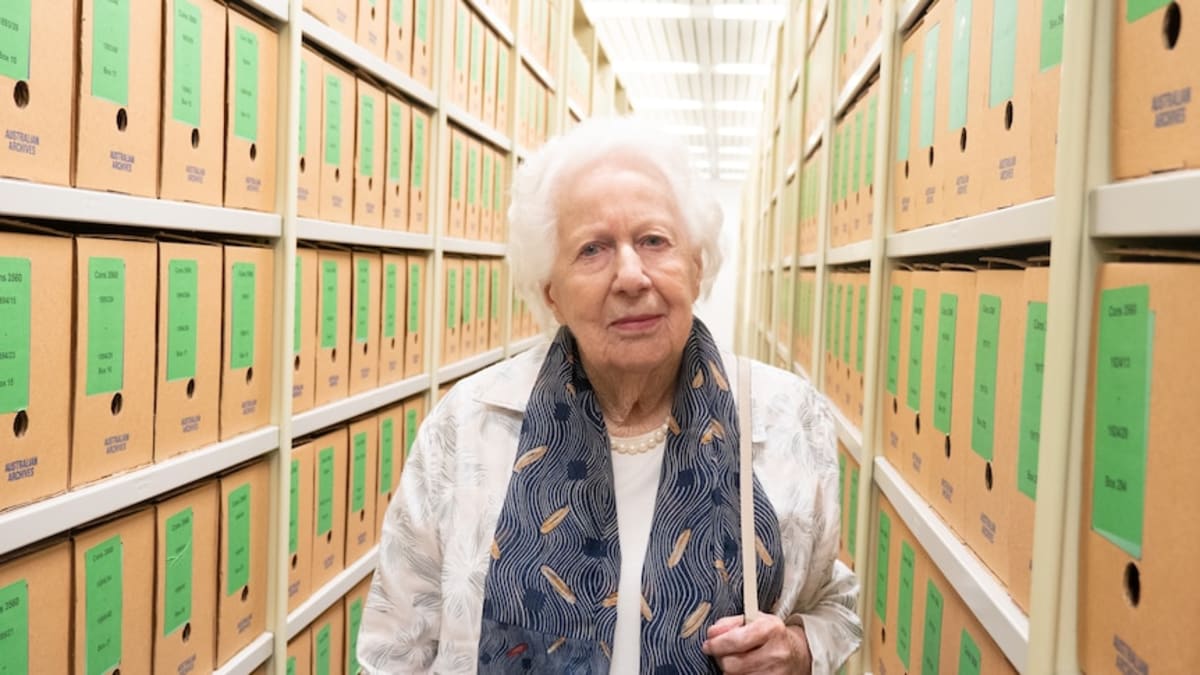
When a government department wanted to destroy thousands of Aboriginal welfare records in the 1970s, one Western Australian archivist made a decision that would help generations reconnect with their families. Margaret Medcalf just celebrated her 100th birthday, and the records she saved are still used daily to reunite families.
A single decision made decades ago is still reuniting Aboriginal families in Western Australia today, thanks to an archivist who trusted her instincts over government bureaucracy.
Margaret Medcalf celebrated her 100th birthday last week surrounded by colleagues at the State Library of Western Australia, where staff honored her extraordinary foresight. In the 1970s, when a government department approached her about destroying nearly 20,000 Aboriginal welfare files, she said no.
The department considered the records worthless. Many files contained just a single letter from Aboriginal families requesting basic supplies like flour and sugar during the 1920s through 1960s. But Medcalf saw something the government missed.
"I thought it was very important to retain that series of records," she said. She told the department they could destroy the originals, but only after microfilming every single page first.
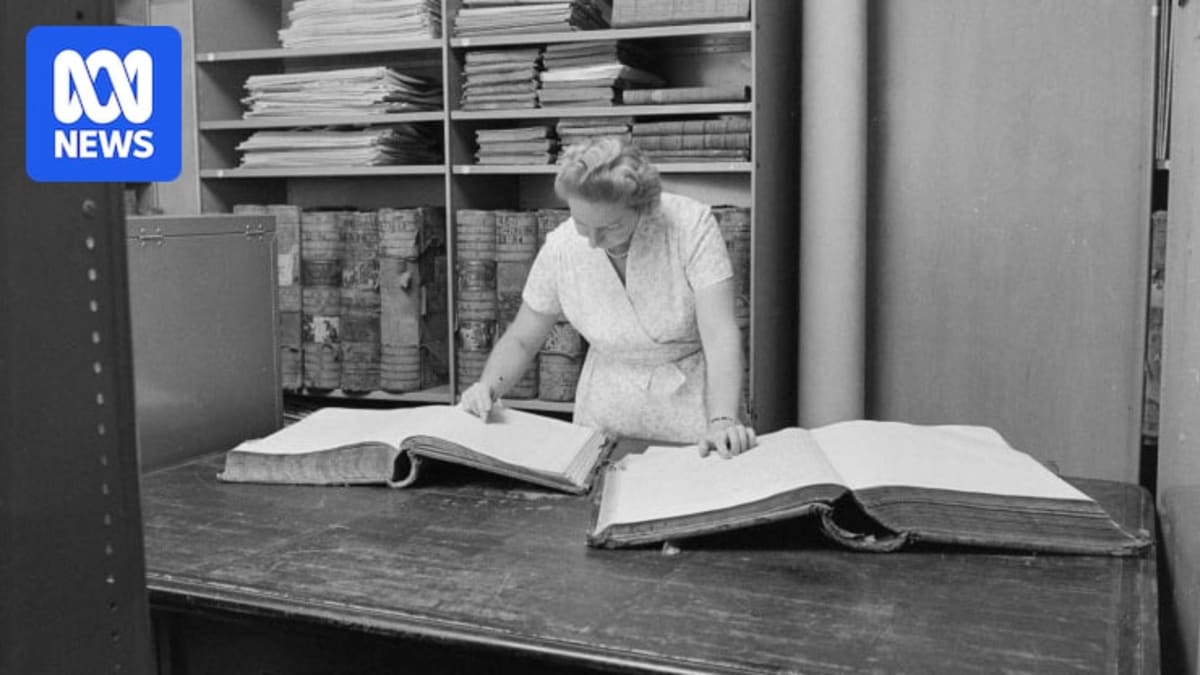
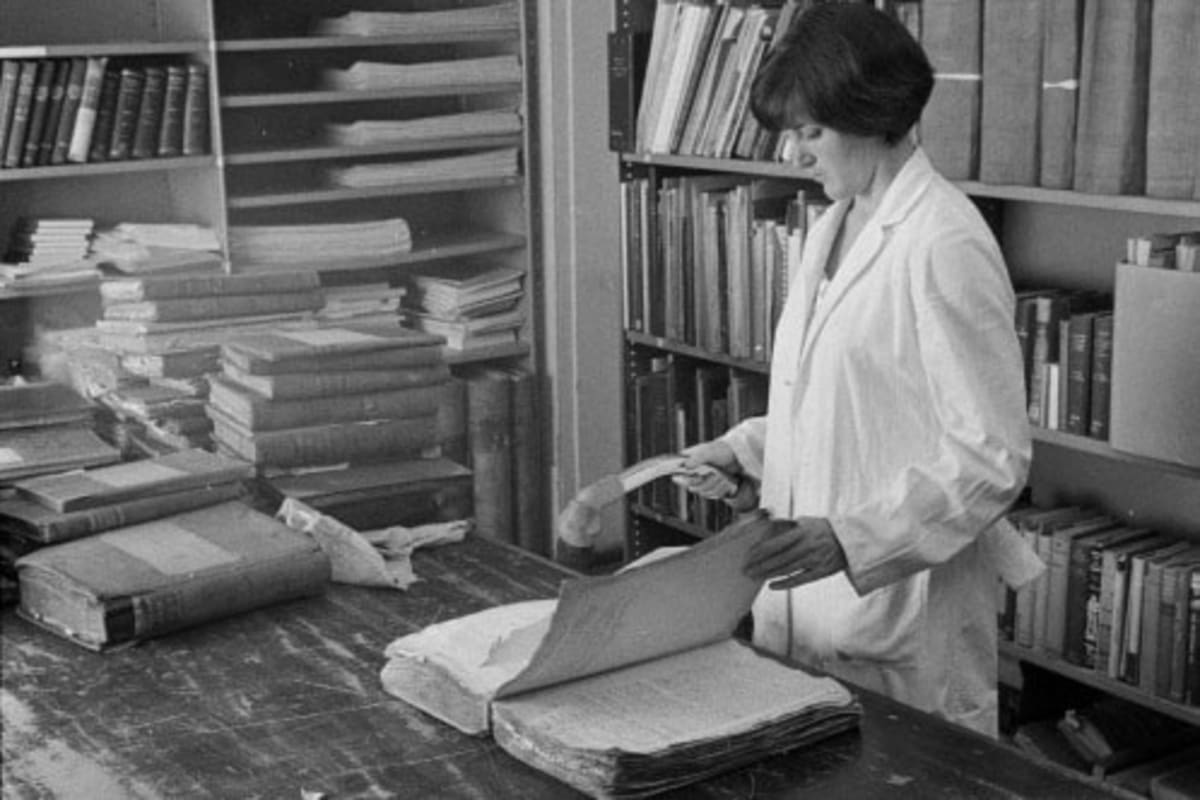
Medcalf joined the State Archives in 1955 after working at the Australian embassy in the Hague, where she helped document Indonesia's independence process. Back in Perth, she spent decades traveling across Western Australia, visiting goldfields for mining records, approaching families with historical documents, and making difficult decisions about what deserved preservation.
Years after saving the Aboriginal records, Medcalf attended a talk by an Aboriginal artist sharing her family history. The artist displayed a letter from her grandfather on screen. Medcalf spotted the telltale sprocket holes from microfilm processing and realized her decision had come full circle.
The Ripple Effect
Today, those 20,000 files form a critical resource for Aboriginal people searching for their families. Senior archivist Damien Hassan says the records are accessed daily for family history research, the National Redress Scheme, and the Western Australia Stolen Generations Scheme.
"It wouldn't be possible to properly support this work without these files," Hassan said. The records help people separated from their families during government removal policies piece together their histories and reconnect with relatives.
State Librarian Catherine Clark says Medcalf, who retired in 1989, still keeps close contact with the library and asks pointed questions about their work. "I have to be on my game when I'm catching up with her," Clark said. "But it's always with the community at heart."
Sometimes the most important thing an archivist can do is simply say no to the shredder.
More Images
Based on reporting by ABC Australia
This story was written by BrightWire based on verified news reports.
Spread the positivity!
Share this good news with someone who needs it