Arctic Satellite Proves Cheap, Fast Weather Tech Works
A small prototype weather satellite built in just three years has exceeded all expectations, proving that affordable space technology can revolutionize forecasting in the Arctic and worldwide. Its success just cleared the path for 20 new satellites launching by 2029.
📺 Watch the full story above
The Arctic is about to get the weather forecasting system it desperately needs, thanks to a little satellite that proved big ambitions don't always require massive budgets.
Launched in August 2024, the Arctic Weather Satellite was designed as a simple test. The European Space Agency wanted to prove that a small, affordable satellite could deliver reliable weather data to one of Earth's most underserved regions. Built in just three years on a tight budget, it was meant to show what's possible, not necessarily to become operational.
But the satellite didn't just meet expectations. It blew past them.
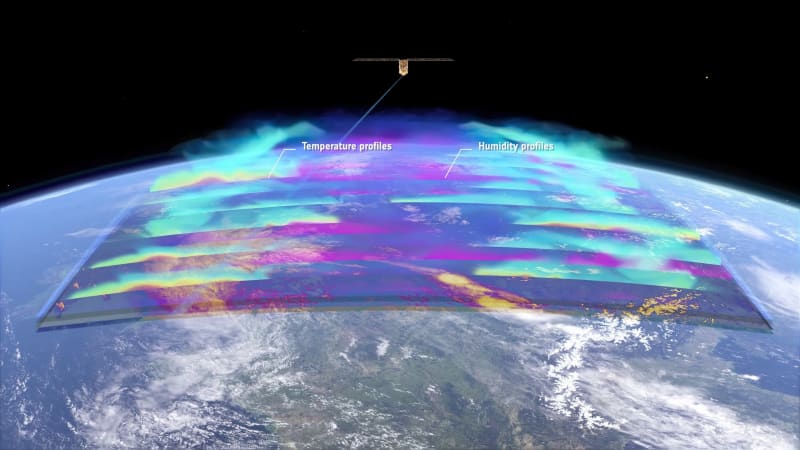
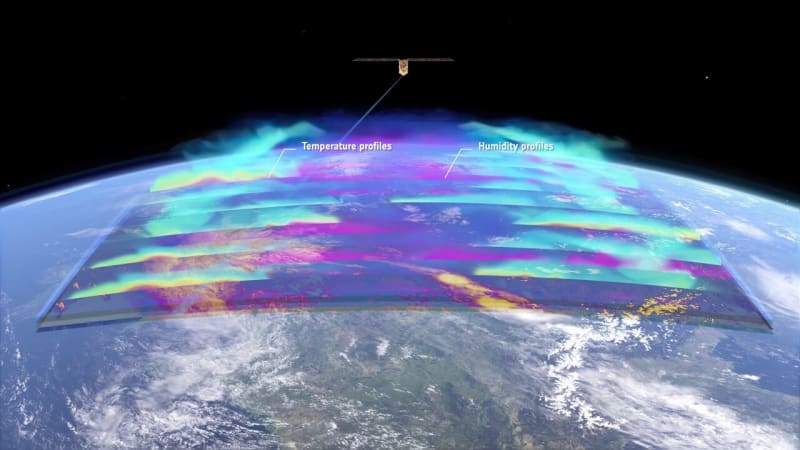
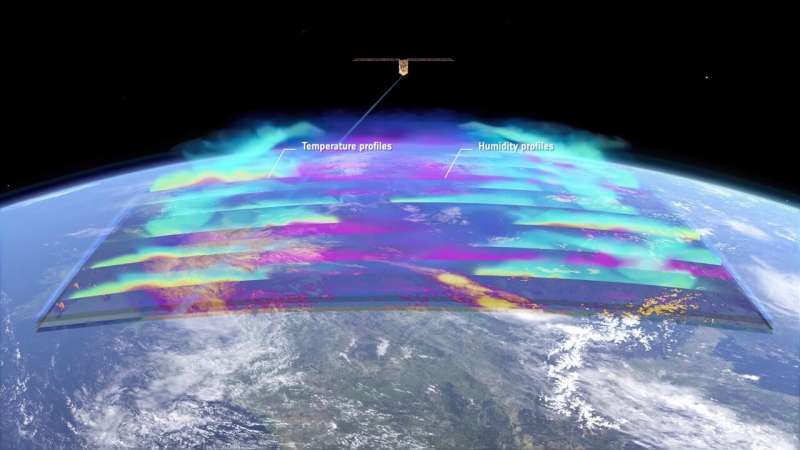
Within months, the European Centre for Medium-Range Weather Forecasts started using its data in actual weather predictions. That wasn't even part of the mission requirements. The satellite's microwave radiometer delivered such detailed measurements of atmospheric humidity and temperature that forecasters couldn't resist putting it to work immediately alongside data from much larger, more expensive satellites.
This matters more than you might think. The Arctic desperately lacks accurate short-term weather forecasts, and as climate change intensifies weather variability in the region, that gap is growing dangerous. Water vapor concentrations can shift rapidly there, throwing off predictions. One satellite can't cover enough ground, but a constellation of them could transform forecasting not just in polar regions but around the entire planet.
The Ripple Effect
The prototype's stellar performance just unlocked something much bigger. Eumetsat, Europe's meteorological satellite organization, has now greenlit the full EPS-Sterna constellation based on this little satellite's success.
Twenty satellites will be built in total. Six will orbit at any given time, with replacements launching periodically to keep the system running until at least 2042. The first launches are planned for 2029.
"We developed this innovative satellite under very tight time and budgetary constraints, proving that this approach can be adopted for a constellation," said Ville Kangas, the project manager. His team showed that the "New Space" approach, emphasizing smaller budgets and faster timelines, can deliver serious scientific results.
The satellite carries a 19-channel scanning radiometer that works in all weather conditions, providing the kind of detailed atmospheric data that meteorologists crave. It complements existing satellites from the US, China, and Europe, filling crucial gaps in coverage.
This isn't just about better weather apps. Improved Arctic forecasting helps coastal communities prepare for storms, supports safer shipping routes, aids search and rescue operations, and helps scientists better understand how climate change is reshaping our planet's most sensitive region.
A three-year project just opened the door to nearly two decades of improved global weather forecasting.
More Images

Based on reporting by Phys.org
This story was written by BrightWire based on verified news reports.
Spread the positivity!
Share this good news with someone who needs it