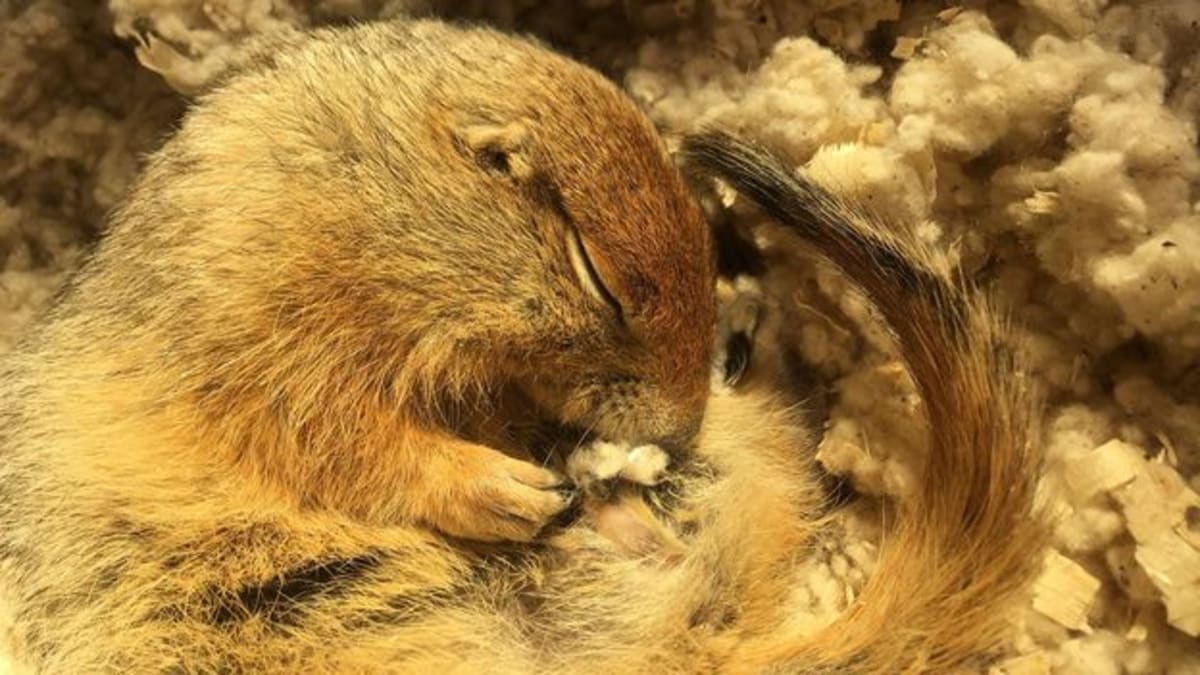
Arctic Squirrel's Frozen Secret May Save Heart Attack Lives
Scientists studying Arctic ground squirrels that survive with body temperatures below freezing for eight months are unlocking breakthrough treatments for heart attacks, strokes, and brain injuries. Their discovery could help doctors buy precious time to save lives in medical emergencies.
A tiny copper-colored squirrel in Alaska might hold the key to saving millions of human lives.
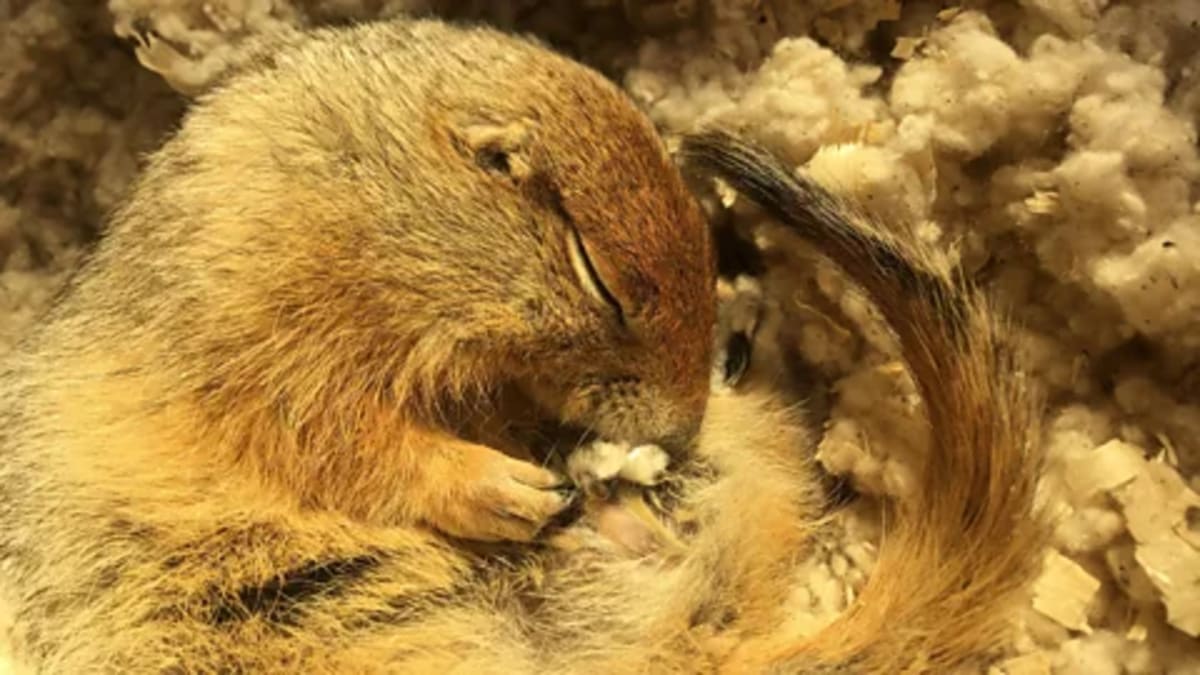
Arctic ground squirrels survive winters by doing something no other mammal can: cooling their bodies below freezing while staying alive. For eight months each year, these rodents hibernate in underground burrows with body temperatures dropping to -2.9C (27F). Their hearts beat just a few times per minute, and their breathing slows to an almost undetectable pace.
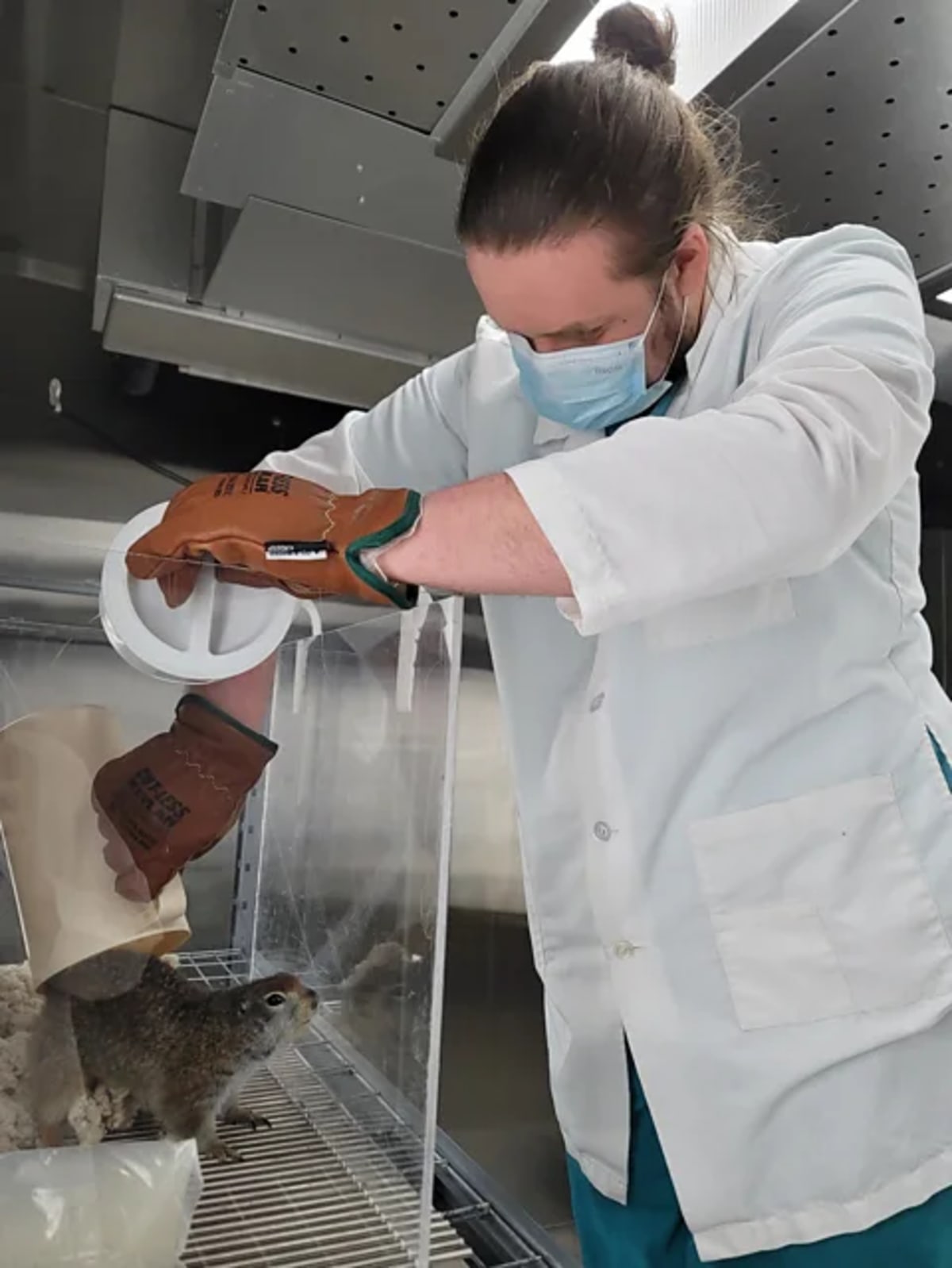
Scientists at the University of Alaska Fairbanks have studied these remarkable creatures for over 50 years, and now their research is paying off in unexpected ways. The team discovered that adenosine, a natural molecule that makes humans drowsy at night, triggers the squirrels' extreme hibernation state.
This finding opened a door to revolutionary medical treatments. Doctors already use cooling to protect organs in heart attack and stroke patients, but the body fights back by shivering and trying to warm up. The squirrel research suggests a better approach: slowing down metabolism naturally, which allows the body to cool without resistance.
The applications could transform emergency medicine. Stroke patients in rural areas could have more time to reach hospitals. Soldiers wounded on battlefields could be stabilized for longer periods. Cancer patients might be protected from harmful radiation effects during treatment. Organs for transplant could stay viable outside the body much longer.
Why This Inspires
What makes this research truly hopeful is how close it's getting to real-world use. The US Army Research Office and Department of Defense are funding studies, recognizing the potential to save lives in combat zones. Researchers are working on safe ways to temporarily slow human metabolism during critical emergencies.
Sarah Rice, a hibernation scientist on the team, puts it simply: "If you could really genuinely, safely slow down metabolism for a long time, you could buy time for critical illness." That extra time could mean the difference between life and death for heart attack victims, accident survivors, and countless others facing medical emergencies.
The work reminds us that nature's most extreme survivors often hold solutions to our biggest challenges.
More Images


Based on reporting by BBC Future
This story was written by BrightWire based on verified news reports.
Spread the positivity!
Share this good news with someone who needs it