Arctic Water Fix Cuts Farm Emissions Nearly to Zero
A simple water management technique turned one of Norway's northernmost farms from a major carbon polluter into a near-climate-neutral operation. The discovery could transform how Arctic farmland fights climate change.
Scientists in Norway just proved that fighting climate change in the Arctic might be as simple as adjusting a water valve.
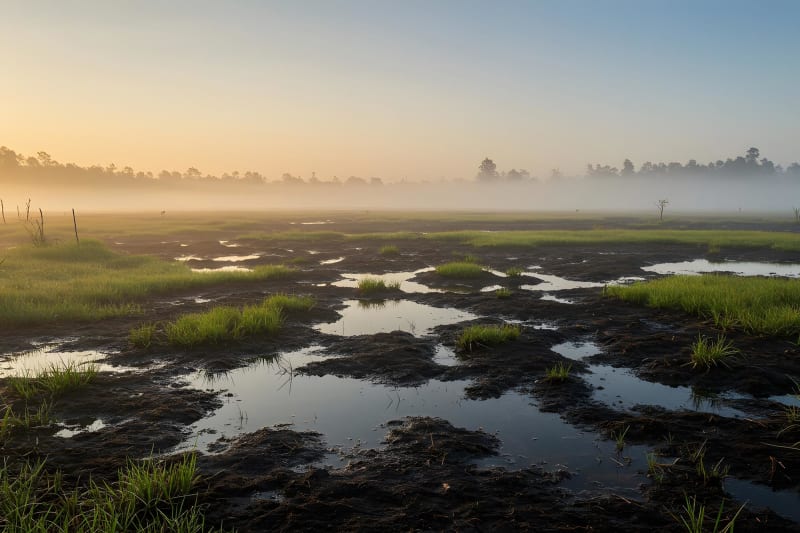
Researchers at a farm in Pasvik Valley, located in the world's northernmost cultivated peatland, discovered that raising groundwater levels dramatically slashed greenhouse gas emissions. By keeping water just 25 to 50 centimeters below the soil surface, the farm nearly stopped releasing carbon into the atmosphere.
Peatlands act like nature's carbon vaults when left alone. Waterlogged conditions preserve dead plant material instead of letting it decompose, locking carbon underground for thousands of years. But when farmers drain these areas to grow crops, oxygen rushes in and the stored carbon escapes as greenhouse gas.
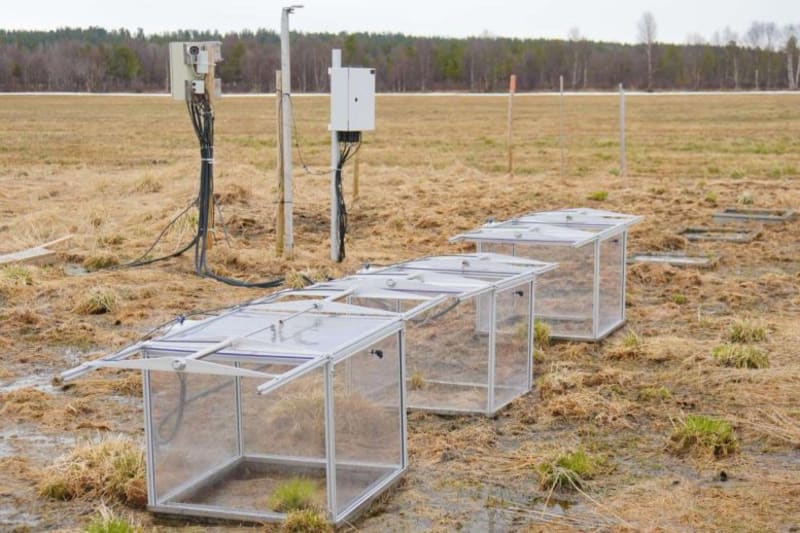
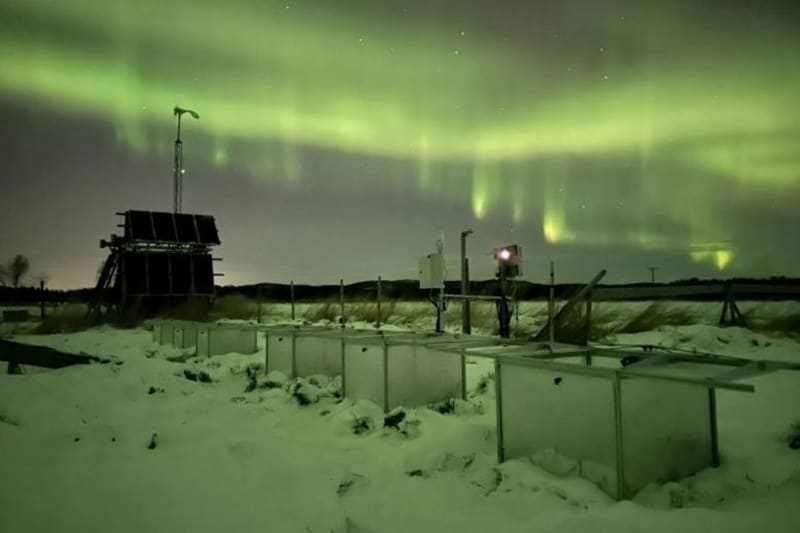
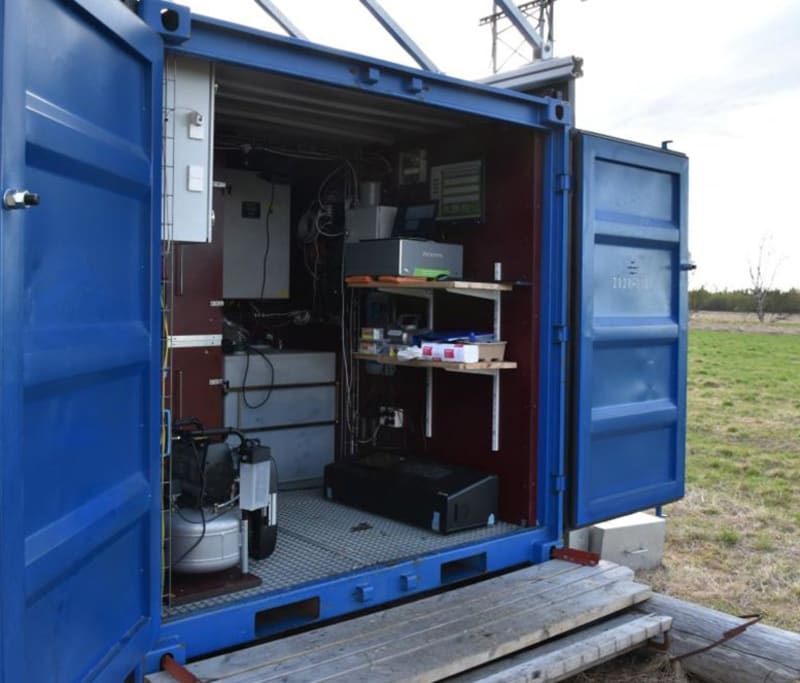
NIBIO researcher Junbin Zhao and his team spent two years measuring every breath the soil took. Automated chambers tracked carbon dioxide, methane, and nitrous oxide emissions several times daily throughout the growing seasons of 2022 and 2023.
The results surprised even the scientists. When groundwater stayed high, carbon dioxide emissions plummeted while methane and nitrous oxide remained low. The farm absorbed slightly more carbon than it released, essentially reaching climate neutrality.
The Ripple Effect
This breakthrough matters most in the far north. Arctic farms experience extreme conditions including freezing temperatures, endless summer daylight, and compressed growing seasons. Previous research focused on warmer southern regions, leaving northern farmers without clear guidance.
The continuous monitoring revealed patterns that spot-check measurements miss. The team captured daily fluctuations and sudden emission spikes that paint a complete picture of how Arctic peat behaves. When soil stays wetter, plants need less light before they start absorbing more carbon than they release, giving more hours of net carbon uptake each day.
Arctic regions amplify this benefit. Extended daylight hours mean more time for carbon absorption when conditions are right. The cooler temperatures also help slow decomposition even when oxygen is present.
The solution works because it addresses a fundamental challenge in northern agriculture. Farmers have traditionally drained peatlands heavily to make them workable, but this study shows that modest drainage achieves farming goals while protecting the climate. Fields remained productive even with higher water tables.
The findings open doors across the Arctic. Millions of hectares of drained peatland exist throughout Northern Europe and the Nordic countries. If other farms adopt similar water management, the collective impact could remove substantial amounts of carbon from the atmosphere.
Zhao emphasizes the importance of measuring all three greenhouse gases simultaneously. Sometimes reducing one gas increases another, so the total balance determines whether a technique truly helps. This comprehensive approach revealed that higher water levels improve outcomes across the board.
The team continues monitoring to understand seasonal variations and long-term trends, but the core message is clear: working with water instead of against it transforms Arctic farms from climate problems into climate solutions.
More Images
Based on reporting by Google News - Climate Solution
This story was written by BrightWire based on verified news reports.
Spread the positivity!
Share this good news with someone who needs it