Argentina Becomes Energy Exporter Thanks to Vaca Muerta
Argentina's massive Vaca Muerta oil field is transforming the country from an energy importer into an exporter, flipping decades of economic vulnerability on its head. Higher global oil prices now boost Argentina's economy instead of straining it.
After years of struggling with energy dependence, Argentina just hit a milestone that seemed impossible a decade ago: it's now profiting from the same global oil shocks that used to hurt its economy.
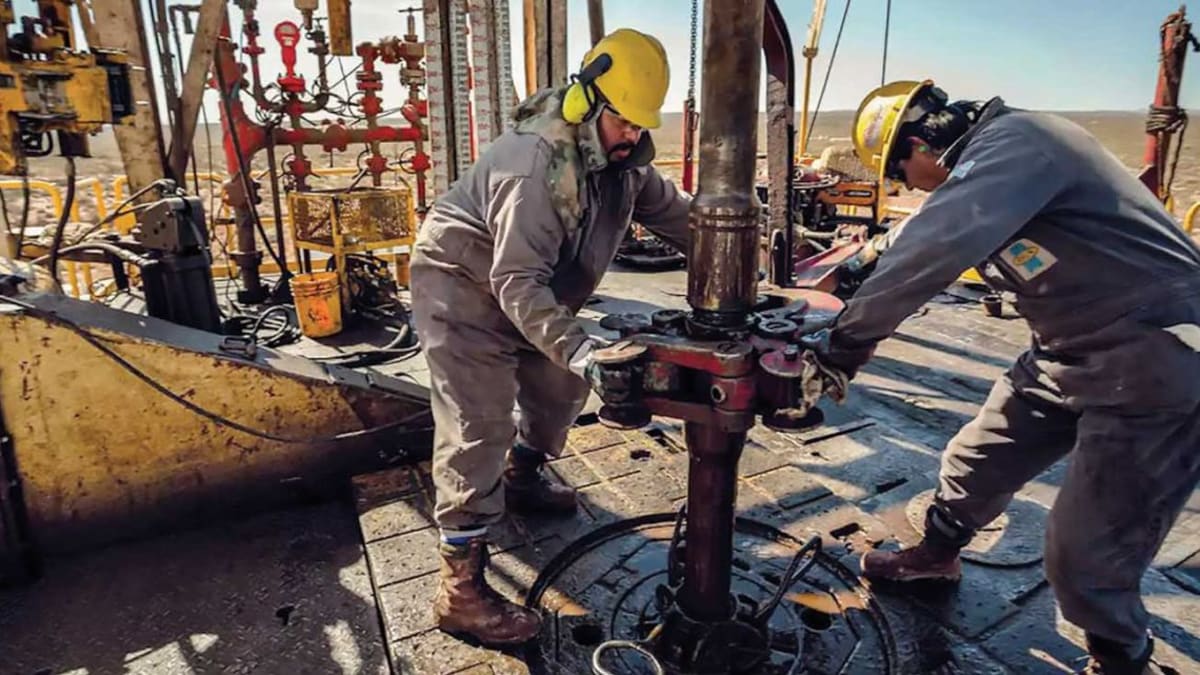
The turnaround comes from Vaca Muerta, one of the world's largest shale oil and gas formations. In February, Argentina's oil production jumped nearly 16 percent from last year to 874,000 barrels daily, with most of that growth coming from this single region.
The timing couldn't be better. With global oil prices climbing to around $100 per barrel due to Middle East conflicts, Argentina is collecting an export windfall instead of scrambling to pay for imported fuel.
"The shift is more structural than cyclical," economist Martín Castellano from the Institute of International Finance told reporters. Every $10 increase in oil prices now generates about $1.7 billion for Argentina, roughly 0.25 percent of its GDP.
Argentina expects to earn an energy surplus exceeding $14 billion in 2026, up from $9.6 billion just two years earlier. That's a complete reversal from when higher oil prices meant bleeding foreign currency reserves.
The country joins Brazil as one of South America's energy exporters, a club it never thought it could enter. Production is projected to hit one million barrels daily by 2030 as infrastructure catches up with the boom.
The Ripple Effect
Argentina's energy transformation is already strengthening its entire economy in ways that reach far beyond oil revenue.
The improved trade balance is helping stabilize the peso and rebuild foreign reserves after years of currency crises. Economists estimate the energy surplus will keep Argentina's current account deficit to just one percent of GDP this year.
Higher global commodity prices linked to energy costs are also lifting prices for Argentina's other major exports like soybeans and wheat. The country's farmers and ranchers benefit from the spillover effects even as they face higher fertilizer costs.
The real prize is longer term: if Argentina can maintain stable energy policies across different administrations, it could finally establish itself as a reliable supplier in global markets. That reputation would attract more investment and infrastructure development, creating a virtuous cycle.
There's still a challenge ahead. Rising fuel prices are making it harder for President Javier Milei to tame inflation, which he's wrestled down from triple digits to about three percent monthly. Gas and diesel prices have climbed six to nine percent since March, and inflation may struggle to drop below 30 percent annually this year.
But even with that complication, Argentina is facing global energy turmoil from a position of strength for the first time in generations. Where chaos in oil markets once meant economic crisis, it now means opportunity.
Vaca Muerta is proving that with the right resources and enough persistence, countries can fundamentally reshape their economic destiny.
More Images




Based on reporting by Buenos Aires Times
This story was written by BrightWire based on verified news reports.
Spread the positivity!
Share this good news with someone who needs it