Argentina Deep Sea Yields 28 Potential New Species
Scientists expected a barren seafloor off Argentina's coast but discovered an unexpectedly thriving ecosystem with dozens of possible new species. The findings challenge everything researchers thought they knew about deep-ocean life.
A research vessel exploring the deep waters off Argentina just uncovered something remarkable: 28 potential new species living in an ecosystem scientists didn't expect to find.
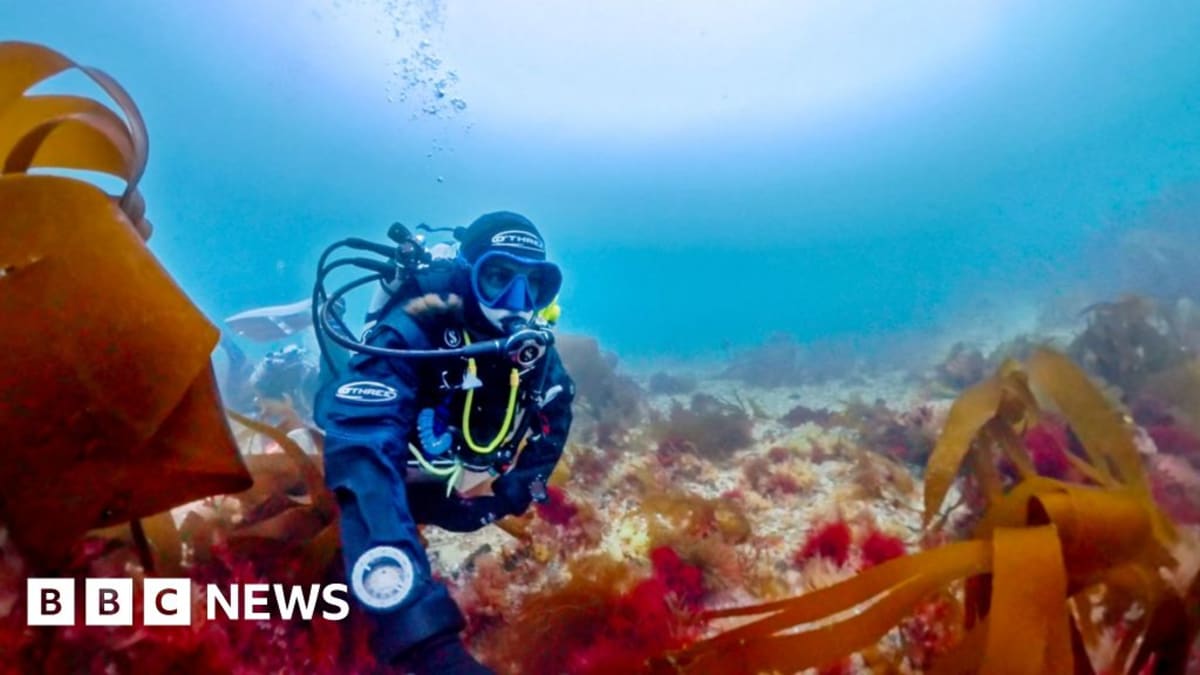
The Schmidt Ocean Institute's research vessel Falkor embarked on what seemed like a straightforward mission to study cold seeps, those rare deep-ocean zones where chemical emissions feed unique microbial communities. Instead, they found a thriving underwater world spread across a vast area of the seafloor.
"We were not expecting to see this level of biodiversity in the Argentine deep sea, and are so excited to see it teeming with life," said chief scientist María Emilia Bravo. The team found only one active seep site, yet life flourished everywhere they looked.
Among the discoveries were sea snails, sea urchins, anemones, and worms that may be entirely new to science. Many live within a massive coral reef formed by Bathelia candida, covering an area nearly the size of Vatican City.
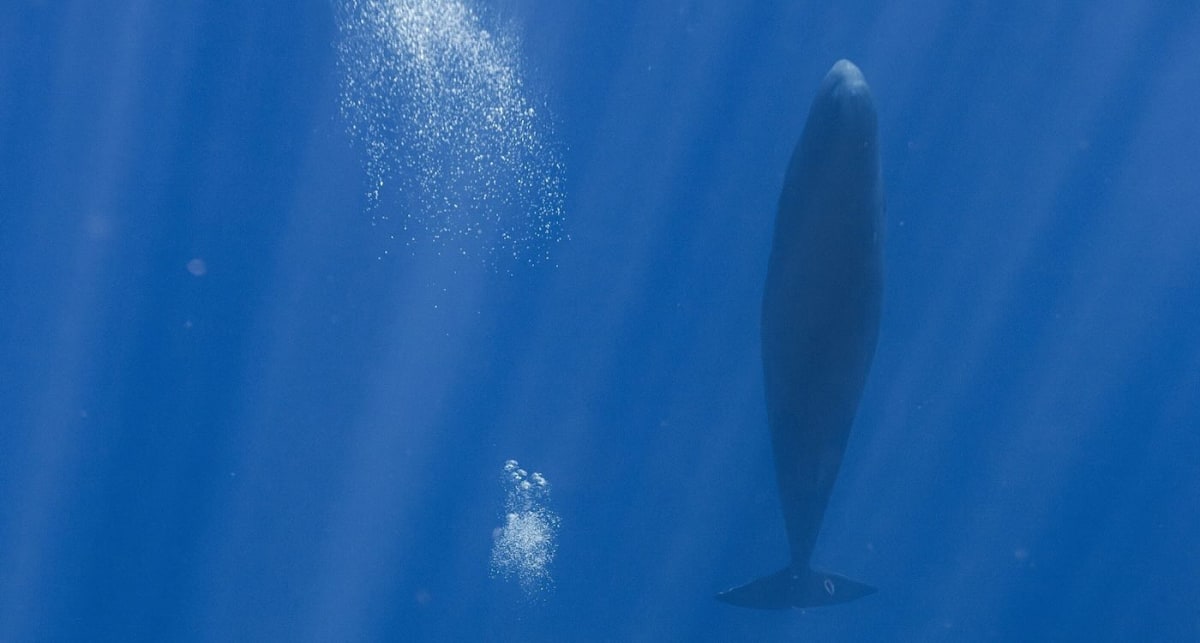
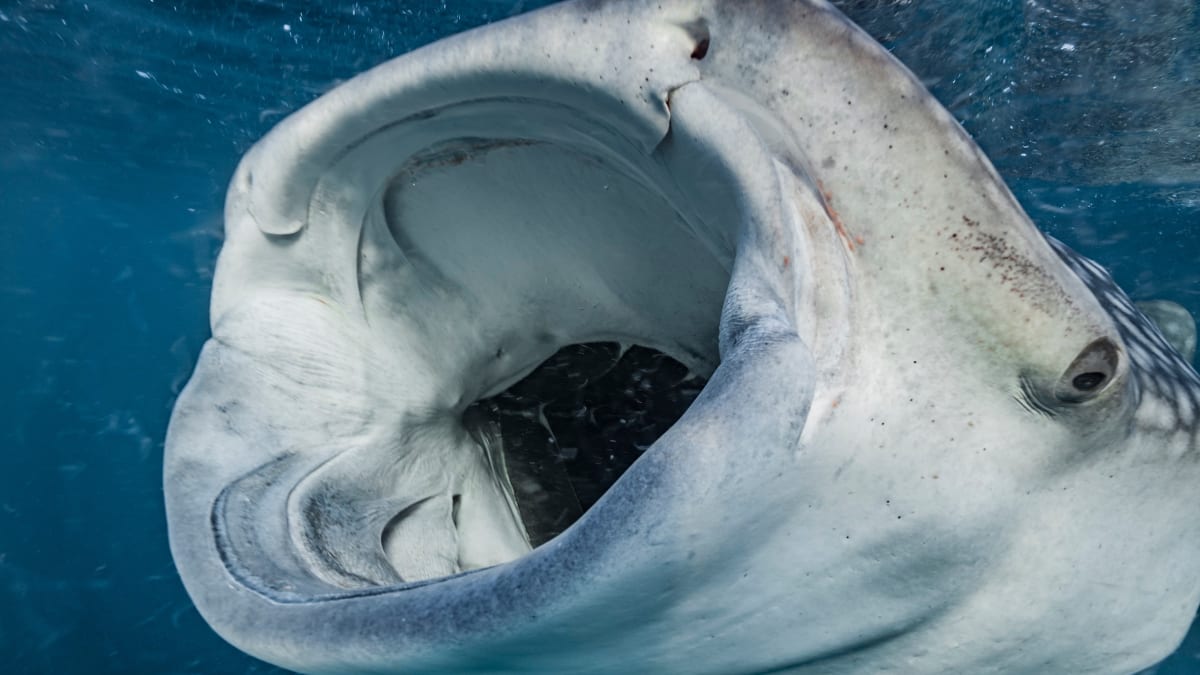
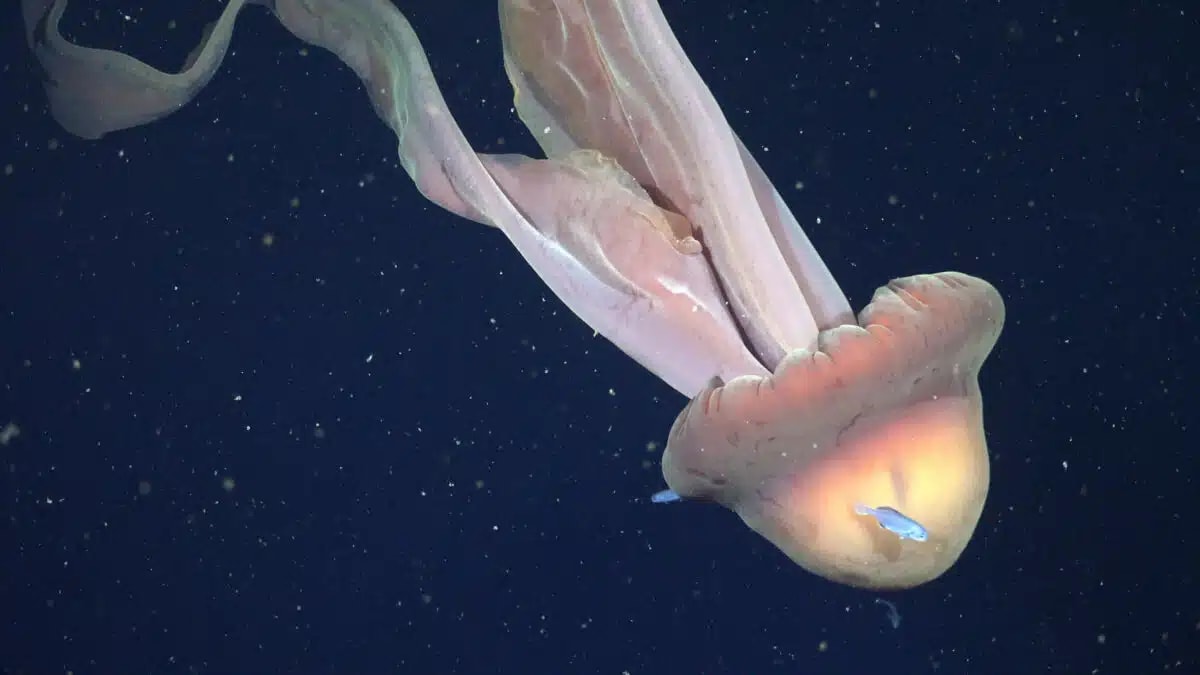
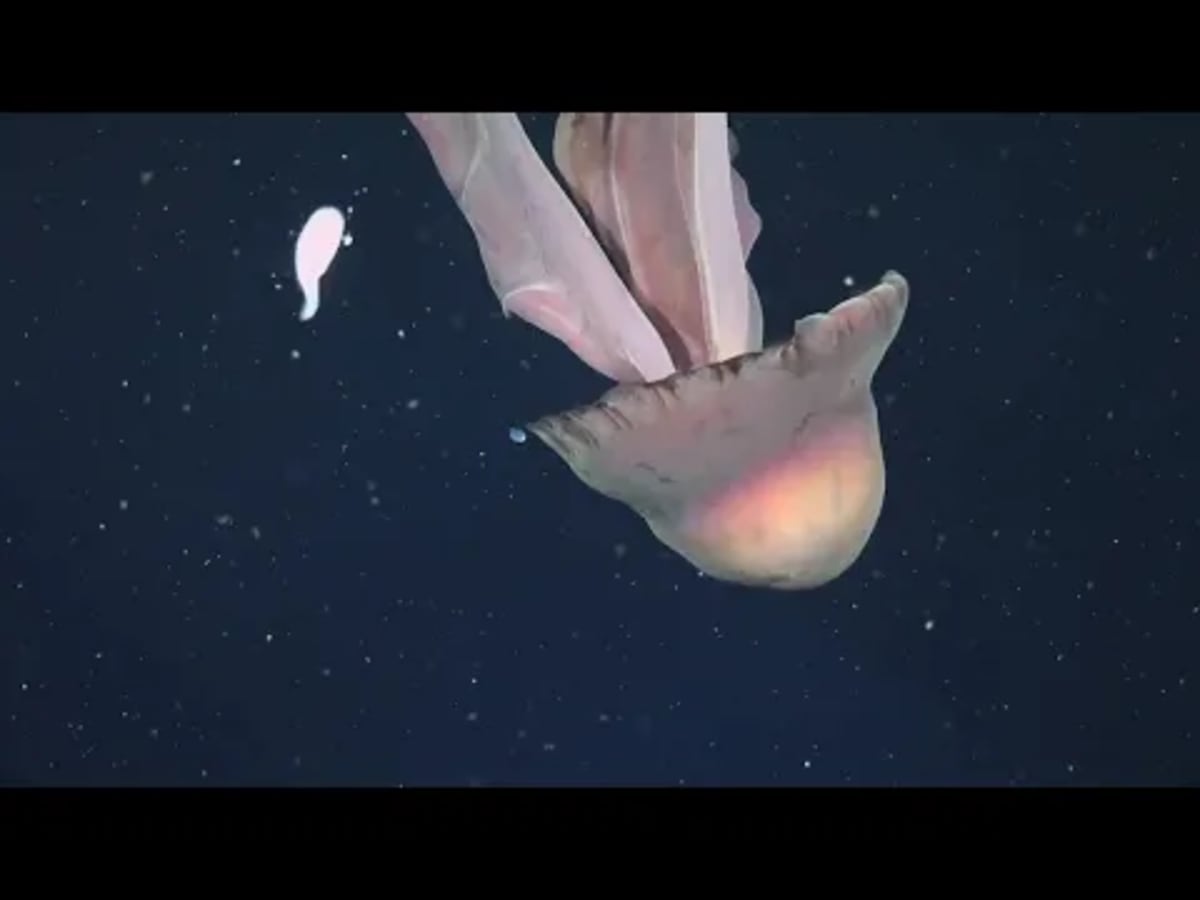
The expedition also captured rare footage of the phantom jellyfish, a creature as long as a school bus that scientists rarely observe. Researchers documented Argentina's first deep-sea whale fall at 2.4 miles deep, where the remains now support an entire temporary ecosystem of sharks, crabs, and other marine life.
The Ripple Effect
This discovery reshapes how scientists understand deep-sea ecosystems. Rather than isolated pockets of life clustered around chemical hotspots, organisms thrive across much larger areas, connected in ways researchers are only beginning to understand.
The findings suggest the ocean holds far more biodiversity than previously imagined, with the deep sea representing 98 percent of Earth's living space. Each expedition reveals new windows into this hidden world.
"We opened a window into our country's biodiversity only to find there are so many more windows left to be opened," Bravo explained. The research team's work continues, with scientists now analyzing samples and footage to confirm which species are truly new to science.
What began as a targeted study transformed into proof that even in our planet's most remote places, life finds extraordinary ways to flourish.
More Images
Based on reporting by Google News - Science
This story was written by BrightWire based on verified news reports.
Spread the positivity!
Share this good news with someone who needs it