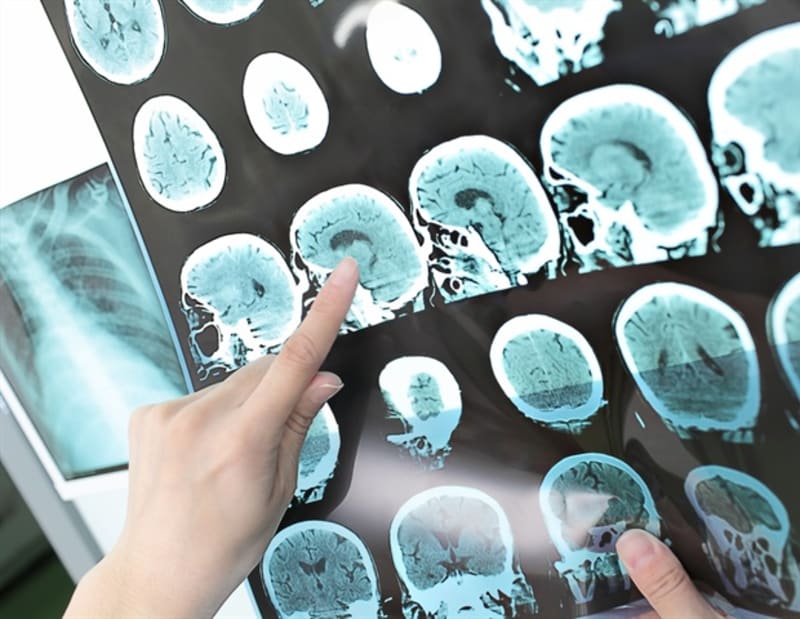
Arizona Patient Gets First New Stroke Drug in 30 Years
A patient in Arizona just became the first in the state to receive a groundbreaking stroke treatment that could help millions who arrive too late for current therapies. The new drug targets blood clots in a completely different way than existing medications.
For the first time in nearly three decades, stroke patients have a new treatment option that could save lives and prevent disability.
A patient at HonorHealth Research Institute in Arizona became the first in the state to receive BB-031, an investigational drug that takes a completely new approach to treating ischemic strokes. Unlike existing medications that target clotting proteins, this treatment works by blocking platelet adhesion, potentially helping patients who can't receive current therapies.
The timing couldn't be more critical. Stroke kills more than 160,000 Americans each year and remains the leading cause of long-term disability in adults. About 85 percent of strokes are ischemic strokes, caused by blocked blood vessels in the brain where every minute without treatment causes more damage.
Right now, doctors have two main options: a clot-dissolving medication that must be given within 4.5 hours, or a catheter procedure typically performed within 24 hours. Many patients arrive too late or have medical conditions that make them ineligible for these treatments.
Dr. Ashutosh Jadhav, HonorHealth's Medical Director of Stroke Services, explained the challenge. "We've been without an alternative for a long time," he said. "There is a great deal of excitement that we may be able to expand our tool kit and give every patient the best chance possible."
The new drug uses RNA aptamer technology to inhibit von Willebrand Factor, a protein key to platelet stickiness. These lab-designed molecules are more stable and easier to produce than traditional antibodies, and they come with a rapid reversal agent if bleeding occurs.
The Ripple Effect
HonorHealth is one of only a handful of sites nationwide participating in the RAISE clinical trial, and the only location in Arizona offering this potential breakthrough. The expanded treatment window could mean thousands more patients each year could receive life-saving care, even if they arrive hours after symptom onset or have conditions that previously ruled out treatment.
The trial's success could fundamentally change how emergency rooms approach stroke care. Instead of turning patients away because they missed narrow treatment windows, doctors could offer hope to nearly everyone who walks through the door with stroke symptoms.
For stroke patients and their families, this represents the first major expansion of options in a generation, bringing new hope to a medical emergency where time has always been the enemy.
More Images

Based on reporting by Google News - New Treatment
This story was written by BrightWire based on verified news reports.
Spread the positivity!
Share this good news with someone who needs it