Arizona Towns Bet on Nuclear and Data Centers for Revival
Rural Arizona communities losing coal plants are finding hope in an unexpected pairing: small nuclear reactors and data centers that could restore millions in tax revenue and hundreds of jobs. The combination offers a roadmap for towns facing economic decline across the American West.
When the Navajo Generating Station closed near Page, Arizona, it didn't just shut down a power plant. It stripped away millions in tax revenue and hundreds of jobs that kept entire communities alive.
Now, towns across rural Arizona are charting a different path forward. They're betting on small modular reactors paired with data centers to rebuild what coal's retirement took away.
The math is compelling. A typical 300-megawatt small modular reactor combined with data centers could generate tens of millions in annual property taxes for a rural county. That's enough to fund schools, first responders, and essential services that disappear when anchor employers leave.
These aren't pie-in-the-sky promises. TerraPower's Natrium reactor in Wyoming is projected to raise local property tax revenues by 30 percent when it comes online. The Tennessee Valley Authority's Clinch River projects are expected to bring billions in local investment while creating hundreds of high-quality permanent jobs.
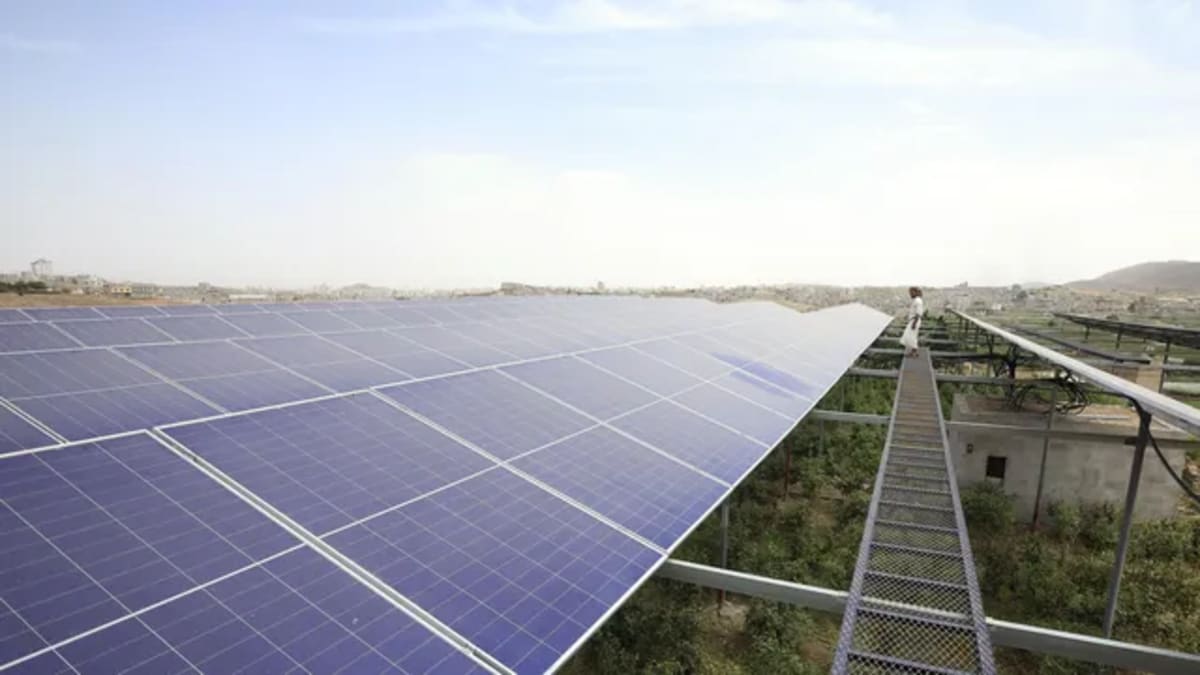
The job numbers tell an important story. While utility-scale wind and solar projects typically employ about 15 full-time workers after construction, a small modular reactor requires 100 to 250 permanent staff. Compare that to the proposed Lava Run Wind Project in Apache County, which would contribute about $1.2 million annually in property taxes versus Springerville's coal plant at $14.8 million.
Data centers sweeten the deal even further. A single large hyperscale facility can contribute up to $10 million annually in local property taxes. A mega campus could bring $40 million or more per year.
The Ripple Effect
The benefits extend beyond tax revenue and paychecks. Data centers require robust fiber infrastructure, which means rural communities get expanded broadband access as a bonus.
Google's Council Bluffs data center brought Google Fiber to nearby households. Meta's West Virginia expansion included 275 miles of new middle-mile fiber and high-speed internet for more than 13,000 rural residents. Amazon's AI campus in North Carolina delivered broadband and fiber-optic upgrades to surrounding areas.
For towns like Page, Joseph City, and Springerville, this combination offers something renewable energy alone hasn't delivered: the economic muscle of traditional anchor employers with the reliability that attracts secondary businesses. Tech companies including Google, Amazon, and Meta are actively pursuing advanced nuclear to support future AI-driven operations, proving the model works.
Buckeye is already leading the way, announcing the Tract Buckeye Technology Park to host a 1.8-gigawatt data center campus. The question for rural Arizona is whether other communities will embrace the opportunity before economic decline becomes irreversible.
Arizona's rural towns are proving that clean energy and economic prosperity don't have to be at odds.
More Images



Based on reporting by Google News - Economic Growth
This story was written by BrightWire based on verified news reports.
Spread the positivity!
Share this good news with someone who needs it