Arizona Volunteers Build Desert Ponds to Save Rare Frog
The Chiricahua leopard frog was down to fewer than 80 habitat sites, but a network of human-made desert ponds has tripled safe spaces for this threatened species. Volunteers are turning dried-out cattle tanks into permanent water havens that help the entire ecosystem thrive.
A dark green frog with charcoal spots is making a comeback in the Arizona desert, thanks to people who learned how to make water stay where it rarely does.
The Chiricahua leopard frog once thrived across Arizona, New Mexico and Mexico. Drought, wildfires, invasive species and a deadly fungal disease pushed it to the brink, leaving it in fewer than 80 locations by 2002.
That's when wetlands engineer Thomas Biebighauser and conservation teams got creative. They turned dried-out cattle tanks into specially designed ponds that capture and hold rainwater in one of America's driest regions.
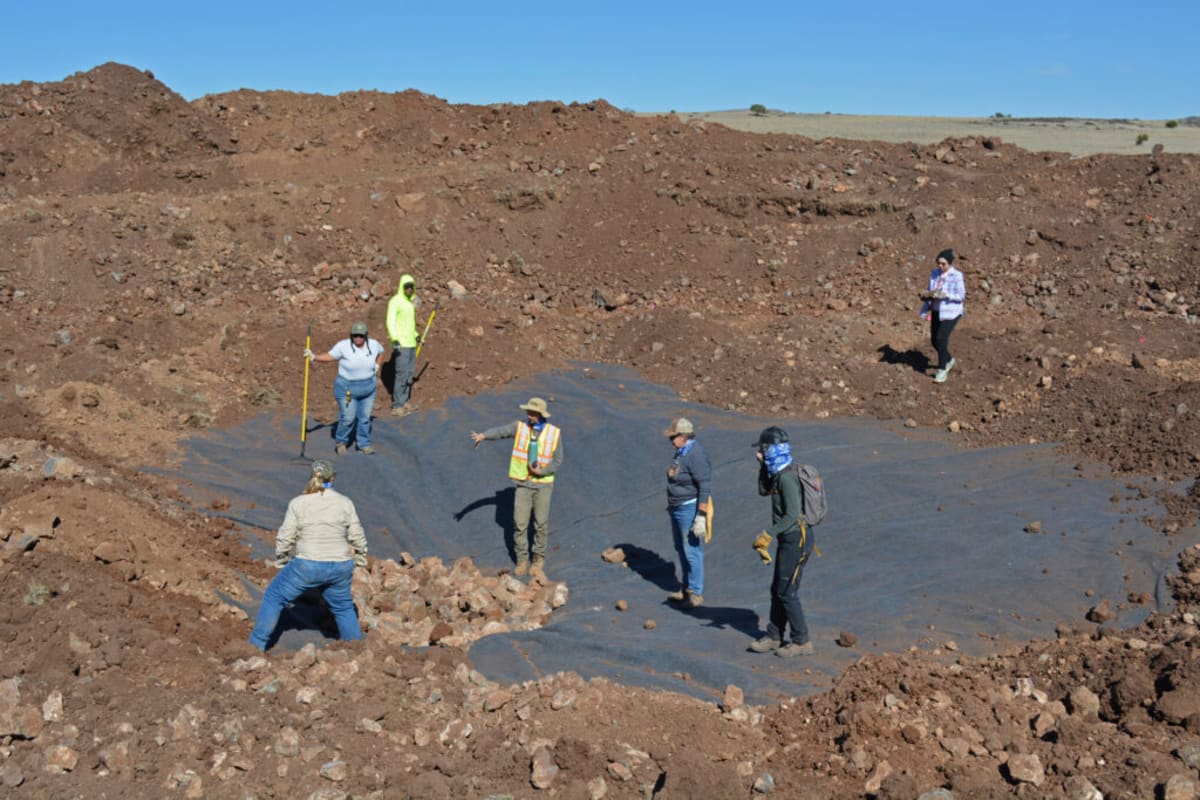
Each pond uses a black liner topped with fabric, soil and rocks to create permanent water sources. Volunteers spend days hauling rocks and smoothing dirt to build these 70-by-70-foot habitats that mimic natural wetlands.
The results speak for themselves. Since the frog was listed as threatened under the Endangered Species Act in 2002, habitat sites have tripled.
Six new ponds went up recently in the White Mountain Grasslands Wildlife Area. Becca Cozad from the Amphibian and Reptile Conservancy wore frog earrings as she supervised volunteers rolling rocks and raking soil into place.
The Ripple Effect
These ponds aren't just saving frogs. In a region where water is becoming scarce, every new permanent water source helps countless species survive.
Birds, insects, mammals and plants all benefit when water stays on the landscape instead of running off to the ocean. The ponds create oases in an increasingly dry environment.
Cozad, who fell in love with frogs as a kid in Houston, sees the bigger picture. "There's not much water out here right now," she said, surveying the arid landscape around the construction site.
The project faced setbacks when wildfires delayed construction from 2024 to 2025. But the teams adapted and kept building, creating networks of connected habitats that give the frogs their best chance at long-term survival.
Each pond becomes home to tadpoles, adult frogs and the insects they eat. The frogs' distinctive snore-like croak is returning to places where it had gone silent.
The work continues because climate change keeps challenging these desert dwellers. But now there's a proven solution: when nature can't provide enough water, dedicated people can step in to help.
Based on reporting by Google: species saved endangered
This story was written by BrightWire based on verified news reports.
Spread the positivity!
Share this good news with someone who needs it