Arizona's 50,000-Year-Old Crater Still Revealing Secrets
A meteor crash site in Arizona continues teaching scientists new lessons about cosmic impacts half a century after formation. New grants are funding the next generation of researchers to unlock more mysteries from Earth's best-preserved impact crater.
A massive hole in the Arizona desert is opening doors for young scientists around the world.
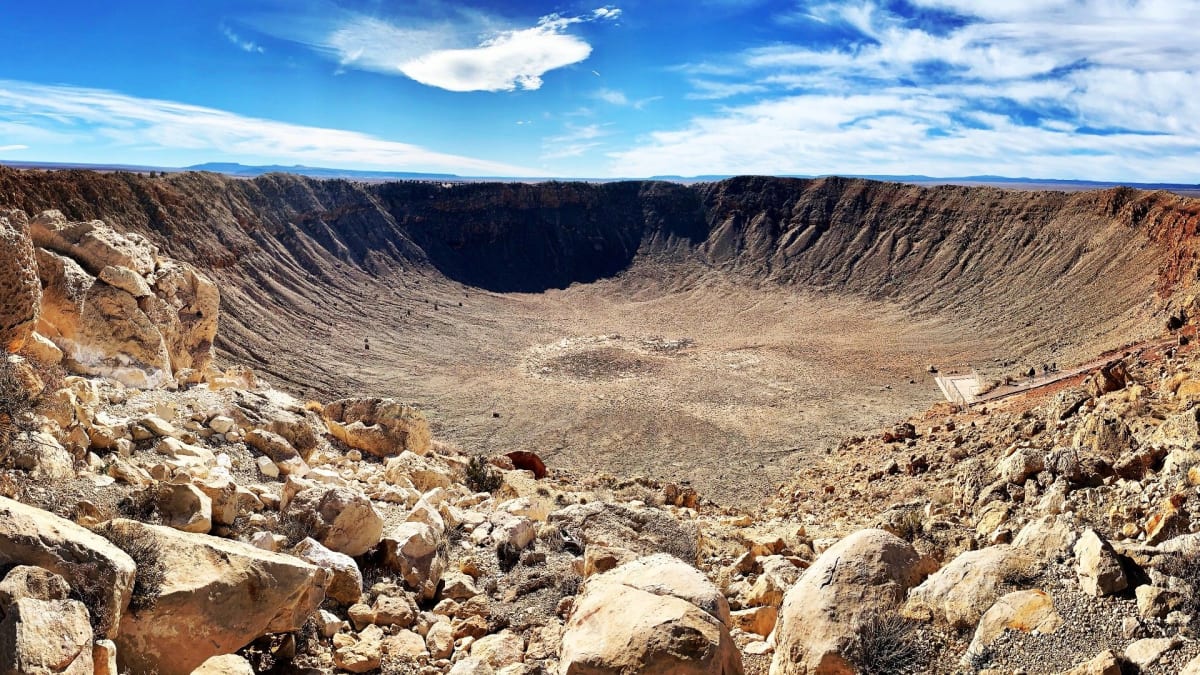
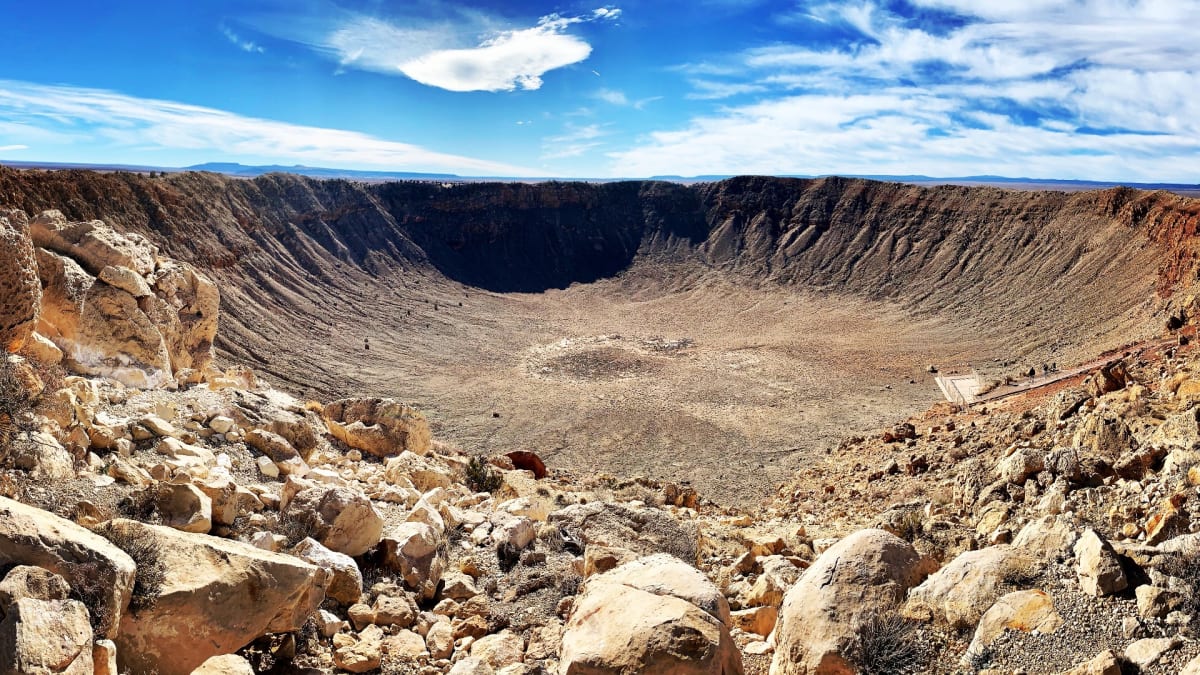
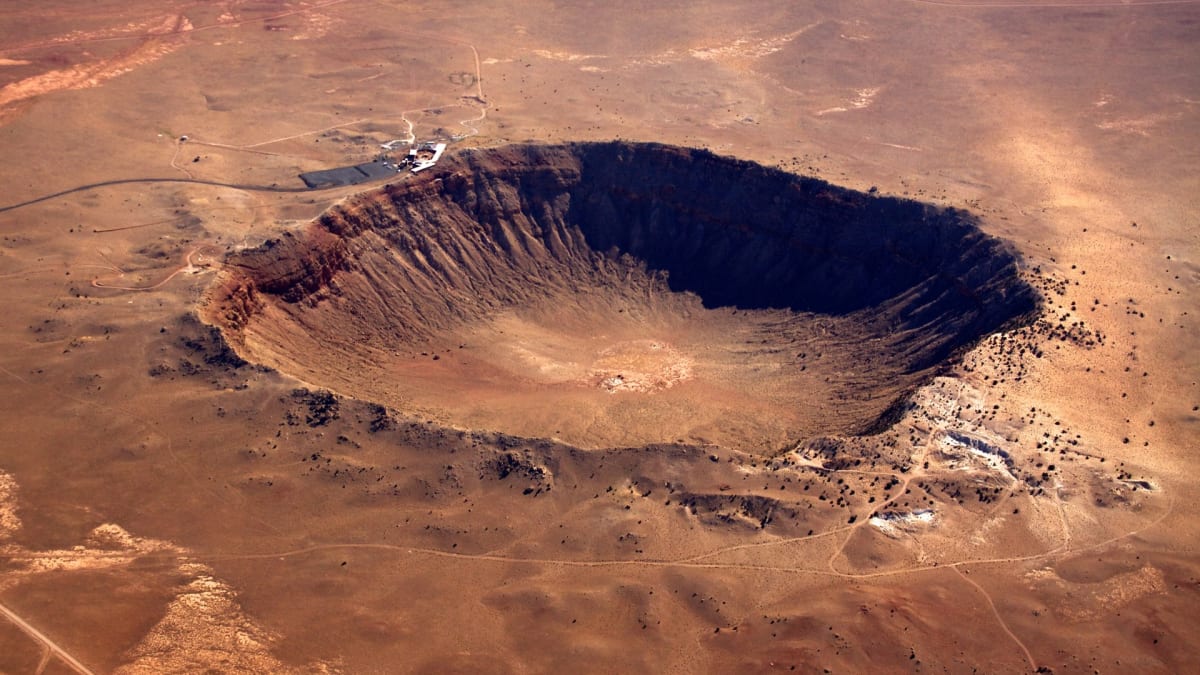
Meteor Crater formed 50,000 years ago when a space rock slammed into Earth. Today, it stands as the best-preserved impact site on our planet, measuring 700 feet deep and stretching more than 4,000 feet across.
What makes this ancient scar special isn't just its size. The crater continues revealing new secrets every year, serving as a natural laboratory where researchers study what happens when cosmic objects collide with Earth.
"Meteor Crater is the perfect natural laboratory for impact crater studies," says Dan Durda, a research scientist at the Southwest Research Institute in Colorado. "The crater is still providing new insights every year."
Scientists now know that impact events shaped life on Earth in dramatic ways. One cosmic collision 66 million years ago marked the transition from the Cretaceous to Paleogene eras, wiping out the dinosaurs in the process.
Christian Koeberl from the University of Vienna chairs the scientific advisory committee overseeing the crater. He notes that recognizing impact sites on Earth proves difficult because weather and geological processes quickly erase evidence.
The Ripple Effect
The crater's importance extends far beyond Arizona's borders. New competitive grants are now funding students and early career researchers worldwide to study impact sites.
These grants support fieldwork at known and suspected impact sites around the globe. They also back laboratory analysis and computer modeling that turn old craters into fresh discoveries.
The Barringer Crater Company introduced the funding specifically to encourage young people to enter this crucial field. Applications through The Meteoritical Society are due each April.
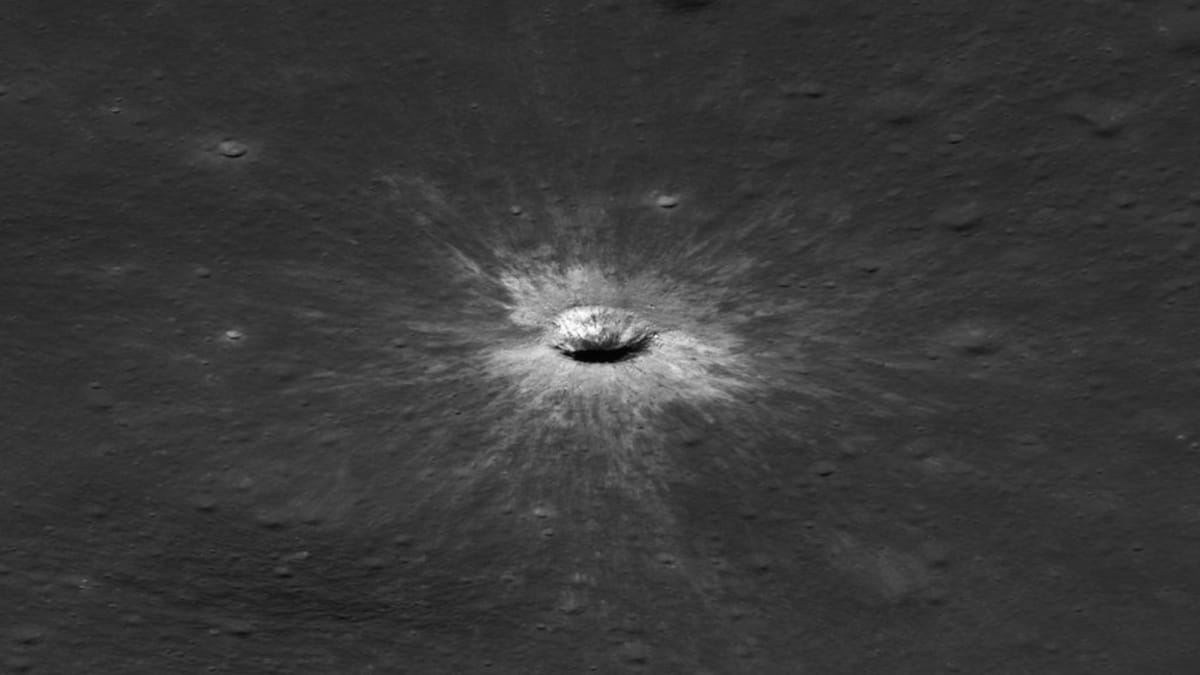
So far, scientists have confirmed about 200 impact craters on Earth. Each one offers clues about high-energy geological events that create conditions exceeding nuclear explosions.
The work matters because impacts continue shaping our planet's story. Understanding these ancient collisions helps scientists predict and prepare for future cosmic encounters.
A hole in the ground from 50,000 years ago is training the problem-solvers of tomorrow.
More Images

Based on reporting by Space.com
This story was written by BrightWire based on verified news reports.
Spread the positivity!
Share this good news with someone who needs it