Armenia and Azerbaijan Mark Year of Peace Progress
A year after a historic White House summit, Armenia and Azerbaijan are celebrating real progress on their peace agreement with tangible results. From open borders to shared infrastructure, former rivals are building bridges that are changing lives across the Caucasus.
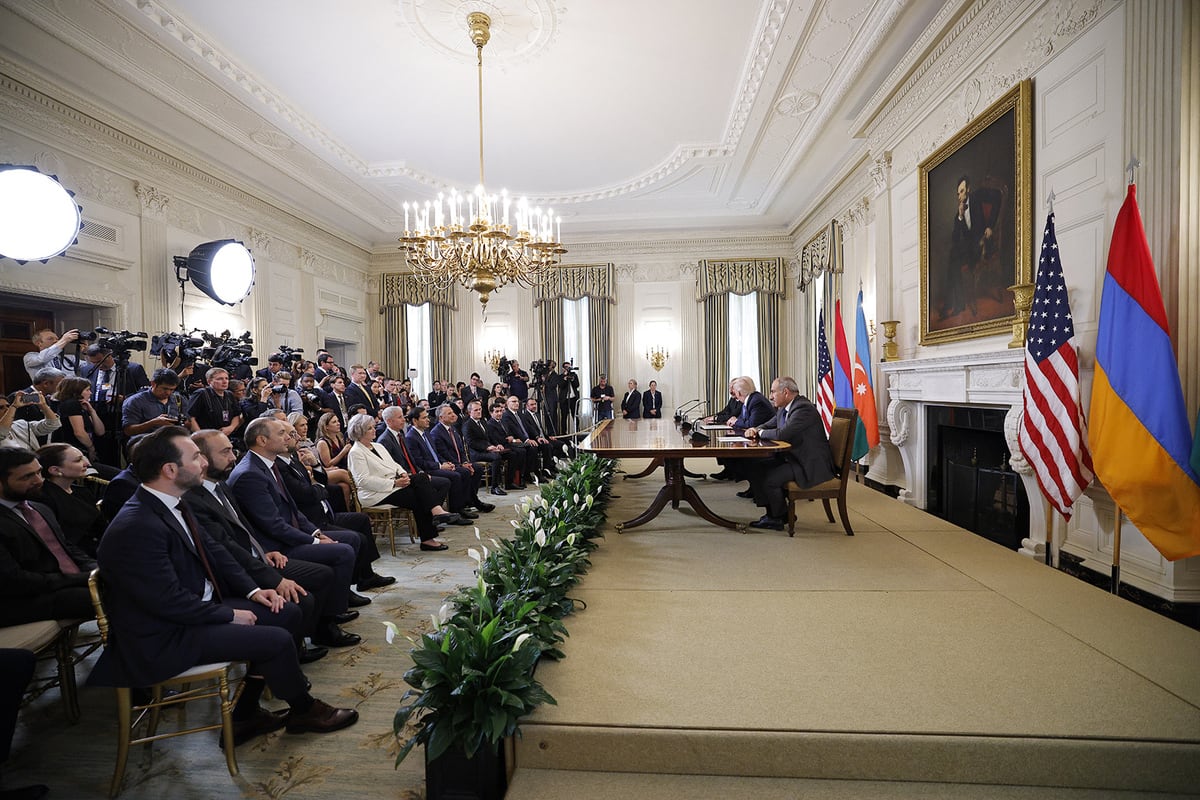
One year ago, two nations locked in conflict sat down at the White House and chose a different path forward.
Today, Armenia and Azerbaijan are marking the anniversary of their peace summit with something rare in international relations: measurable progress. The joint statement released by both countries and the United States shows that peace agreements can actually work when all sides commit to the details.
The change is most visible at the border. Where tension once dominated, stability now holds. Armenia and Azerbaijan have continued working on border delimitation and confidence-building measures, creating the foundation for lasting peace.
But the real story is in the everyday impact. Over the past year, Azerbaijan lifted transit restrictions that had isolated Armenia for decades. The result? About 60,000 tons of cargo have moved through Azerbaijani territory to and from Armenia. Azerbaijan even supplied 20,000 tons of petroleum products to its former adversary.
Telecommunications companies from both nations signed an agreement to connect their internet infrastructure. It's a small technical detail that means everything: when people can communicate across borders, they can build understanding.
The most ambitious project is just getting started. The Trump Route for International Peace and Prosperity, or TRIPP, has moved from paper to reality. Engineering teams are surveying routes in Armenia while Azerbaijan has nearly finished building the road and railway connections on its side. When complete, the route will link the Caucasus region in ways that seemed impossible just years ago.
The United States backed its diplomatic efforts with real investment. The Trans-Caspian Enterprise Fund received $201 million to develop the Middle Corridor trade route connecting the South Caucasus and Central Asia. That money will help attract private investment to build the infrastructure these regions need to thrive.
The Ripple Effect
Peace between Armenia and Azerbaijan does more than end a bilateral conflict. The Caucasus sits at a crossroads between Europe and Asia, and instability there ripples outward. Every ton of cargo that moves peacefully through the region strengthens trade networks that connect dozens of countries.
The telecommunications agreement means more reliable internet for millions of people. The TRIPP infrastructure project will create jobs and economic opportunities in communities that have known mostly hardship. When former enemies can do business together, entire regions become more stable.
Both countries joining the Board of Peace at the U.S. invitation signals something important: they're not just ending conflict, they're actively building mechanisms to prevent future ones.
One year in, the Armenia-Azerbaijan peace process shows that even deeply rooted conflicts can move toward resolution when leaders choose cooperation over confrontation and back their promises with concrete action.
More Images

Based on reporting by Google News - Peace Agreement
This story was written by BrightWire based on verified news reports.
Spread the positivity!
Share this good news with someone who needs it