Armenia Revives 6,000-Year-Old Wine Heritage Organically
Armenian winemakers are rebuilding an ancient tradition nearly lost during Soviet rule, using organic methods that protect mountain ecosystems. Their vineyards climb as high as 5,250 feet above sea level, where sustainable farming brings back biodiversity along with bottles of wine.
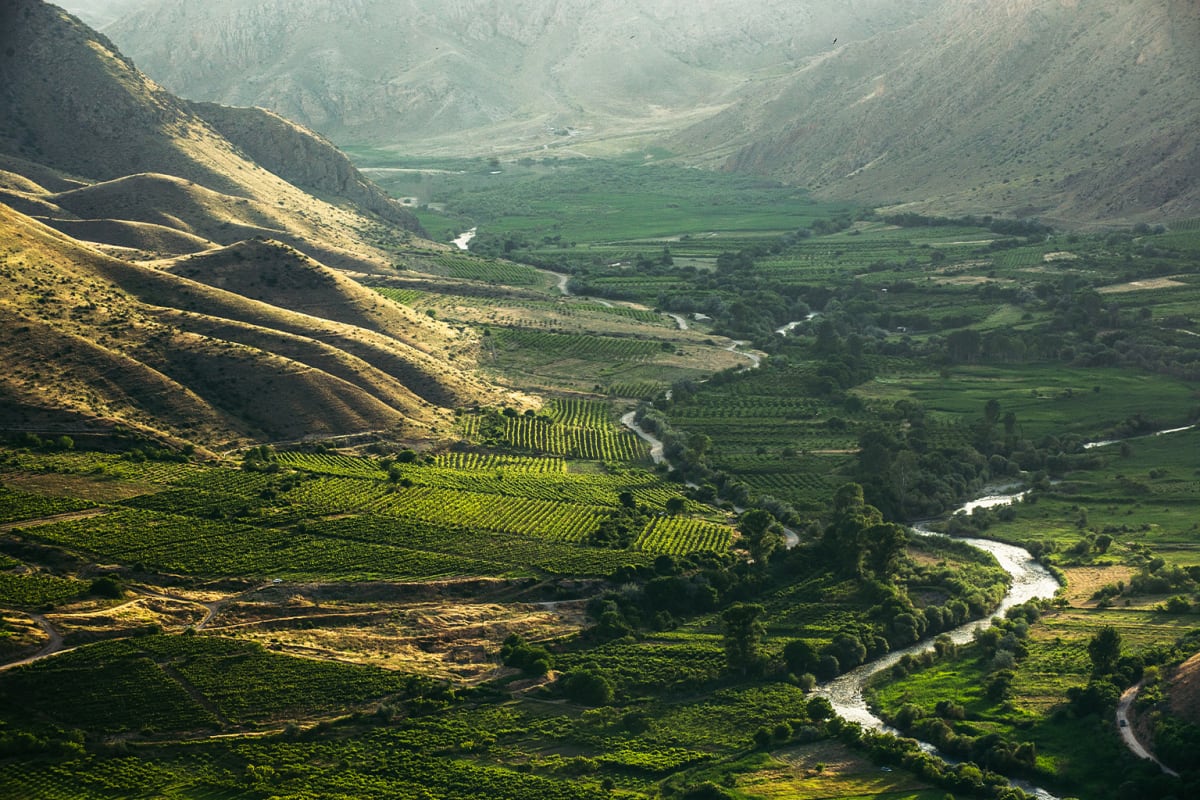
At 6 a.m. in central Armenia, the sun lights up apricot-colored cliffs as bees buzz through vineyards perched more than 4,000 feet above sea level. These aren't ordinary farms—they're part of a mission to revive the world's oldest winemaking tradition while healing the land.
Armenia has made wine for 6,000 years, longer than anywhere else on Earth. But the Soviet Union nearly destroyed that heritage in the 20th century, preferring brandy and removing grape varieties essential to winemaking.
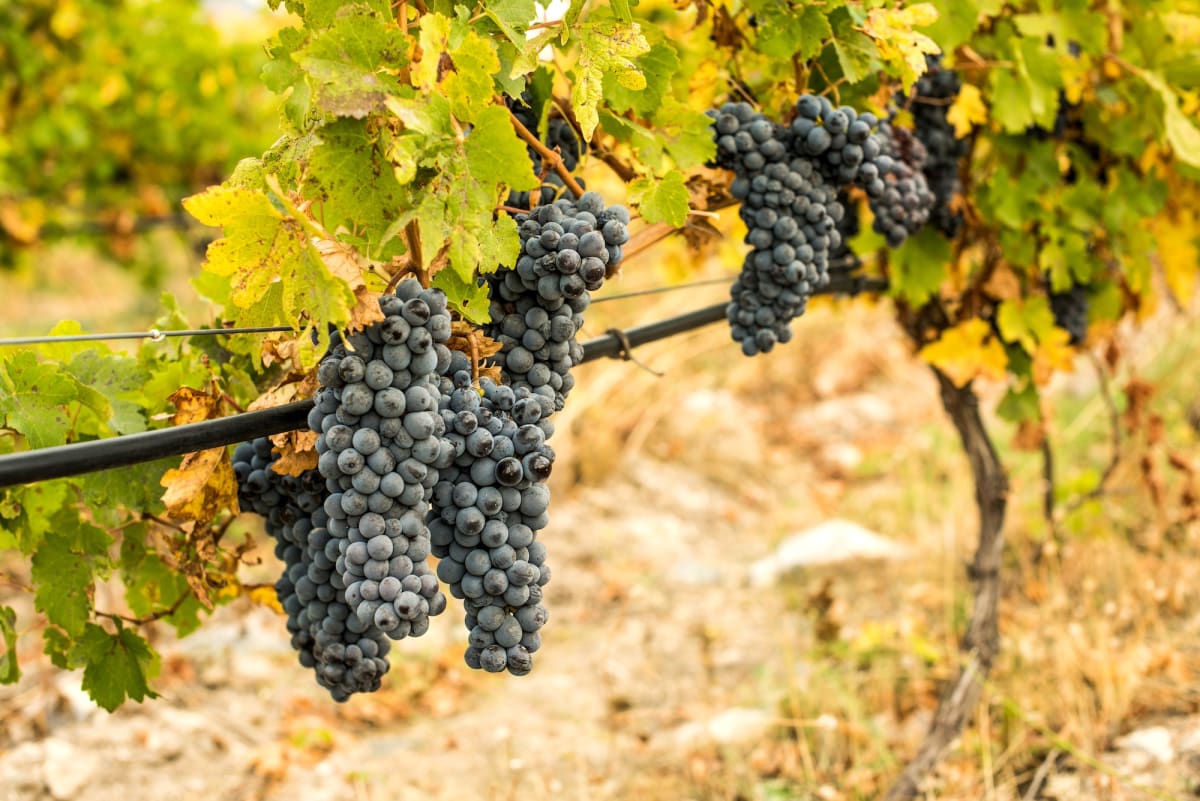
Now a new generation is bringing it back. In Vayots Dzor province, vineyards like Trinity Canyon practice "vertical viticulture," growing grapes on natural mountain plateaus where winters are bitter and summers scorching. The elevation ranges from 3,600 to 5,250 feet, creating unique growing conditions impossible to replicate.
Artem Parseghyan, head winemaker at Trinity Canyon, studied wine science in France and Germany before coming to Armenia in 2013. He found an industry restarting from scratch, without the decades of knowledge other wine countries had built.
"Winemakers knew how to make wine without knowing what it was made from, while grape growers didn't know what their grapes would become," Parseghyan says. That disconnect is finally healing.
Trinity Canyon became Armenia's first internationally certified organic vineyard in 2016. Though the annual certification proved too complex and expensive to maintain, the winery continues growing organically to protect local ecosystems.
The team uses cover crops instead of synthetic fertilizers to restore nitrogen-depleted soil. They skip pesticides and herbicides entirely. Parseghyan says diseases plague neighboring conventional farms but leave Trinity's organic plots untouched.
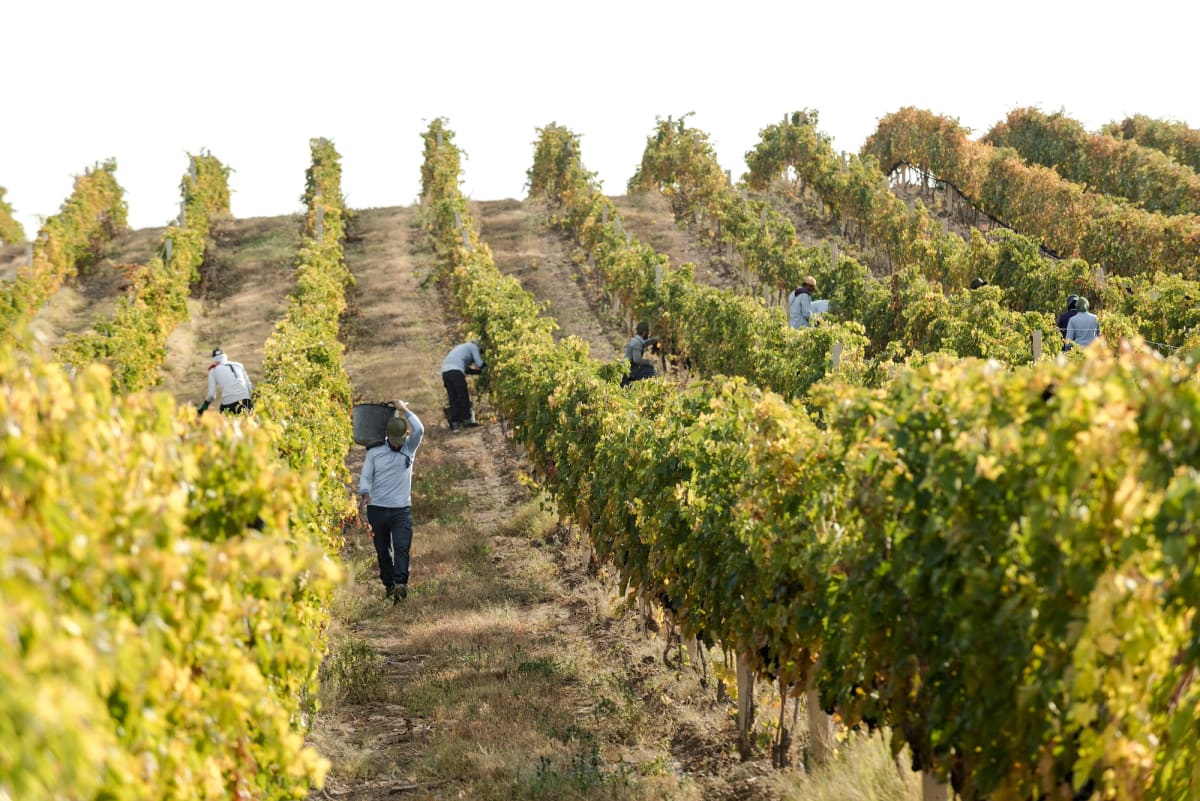
The last four rows touching neighboring land must be harvested separately and discarded, creating a buffer zone against pesticide drift. It's a sacrifice worth making to protect the vineyard and surrounding biodiversity.
Meanwhile, researchers at Armenia's National Academy of Sciences are racing to preserve native grape varieties threatened by climate change. Since 2012, scientist Kristine Margaryan and her team have collected and sequenced over 3,400 grape samples, traveling across the country with old botanical records as their guide.
"After the collapse of the Soviet Union, the collections had completely disappeared," Margaryan says. She's rebuilding what was lost, one sample at a time.
The Ripple Effect
These winemakers aren't just making wine. They're proving that lost traditions can be recovered without harming the environment that made them possible. Their organic methods enrich soil, support pollinators, and demonstrate that ancient practices and modern sustainability can grow side by side.
The Armenian wine revival shows how protecting heritage and protecting nature go hand in hand—one organic grape at a time.
More Images


Based on reporting by Mongabay
This story was written by BrightWire based on verified news reports.
Spread the positivity!
Share this good news with someone who needs it