Armenia Votes for Peace After Decades of Conflict
In a historic shift, Armenians chose hope over nationalism, giving Prime Minister Nikol Pashinyan a second term despite losing Nagorno-Karabakh. The election signals the country's readiness to embrace peace and build a future free from decades of war.
After losing a disputed region and enduring generations of conflict, Armenians just voted overwhelmingly for peace over revenge.
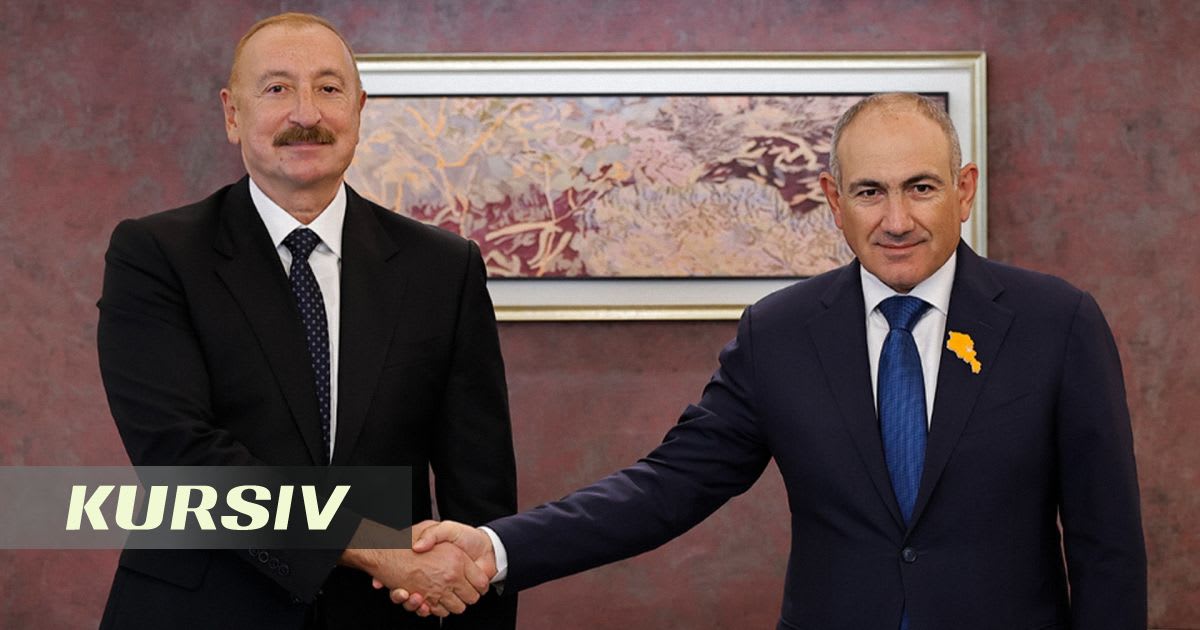
Prime Minister Nikol Pashinyan secured nearly 50 percent of the vote in Sunday's election, winning a second term despite Azerbaijan's 2023 defeat of Armenian forces in Nagorno-Karabakh. His victory marks a stunning shift for a nation that has been defined by territorial disputes and nationalist fervor for more than three decades.
The choice came down to this: continue the cycle of conflict or turn the page entirely. Armenian voters chose the latter.
Pashinyan campaigned on peace, even forming a band and touring the country with concerts to spread his message. His signature move was a heart-shaped hand gesture that supporters flashed at rallies. The unusual approach worked because it represented something Armenians desperately wanted: a lighter future.
"Many Armenians are prepared to give his new vision a chance," said Zaur Shiriyev, an analyst at the Carnegie Russia Eurasia Center. That vision includes normalizing relations with former enemies Azerbaijan and Turkey, and building Armenia's future within its internationally recognized borders.
The election results show that nationalism no longer sways most Armenians. "The public is demonstrably tired of conflict and war," said Richard Giragosian, director of the Regional Studies Center in Yerevan. Even though losing Nagorno-Karabakh remains an "open wound," voters chose healing over reopening it.
The Ripple Effect
Armenia's decision reverberates far beyond its borders. The country is now pivoting away from Russian influence after being under Moscow's thumb for generations.
Opposition parties that promoted pro-Russian, nationalist agendas won just 41 parliamentary seats combined, compared to the government's 64. Those parties are unlikely to cooperate effectively, weakened by internal divisions and personal rivalries between their leaders.
Nagorno-Karabakh no longer appears in Armenia's defense reform or national security strategy. Instead, Pashinyan signed a peace agreement with Azerbaijan at the White House last August, finally ending a war that had raged since the late 1980s.
The shift represents more than politics. It's a generational choice to prioritize building over fighting, cooperation over isolation, and hope over resentment.
Analysts caution that nationalist sentiment hasn't vanished completely. Three decades of nationalist identity can't disappear overnight. But Sunday's vote proved that most Armenians are ready to try something radically different.
A nation that once defined itself by territorial conflict is now choosing to define itself by peace.
Based on reporting by Al Jazeera English
This story was written by BrightWire based on verified news reports.
Spread the positivity!
Share this good news with someone who needs it