Artemis 2 Astronauts See Moon Up Close After 53 Years
For the first time in over half a century, humans are seeing the moon from just miles away. NASA's Artemis 2 crew radioed back observations filled with wonder as they approached Earth's nearest neighbor.
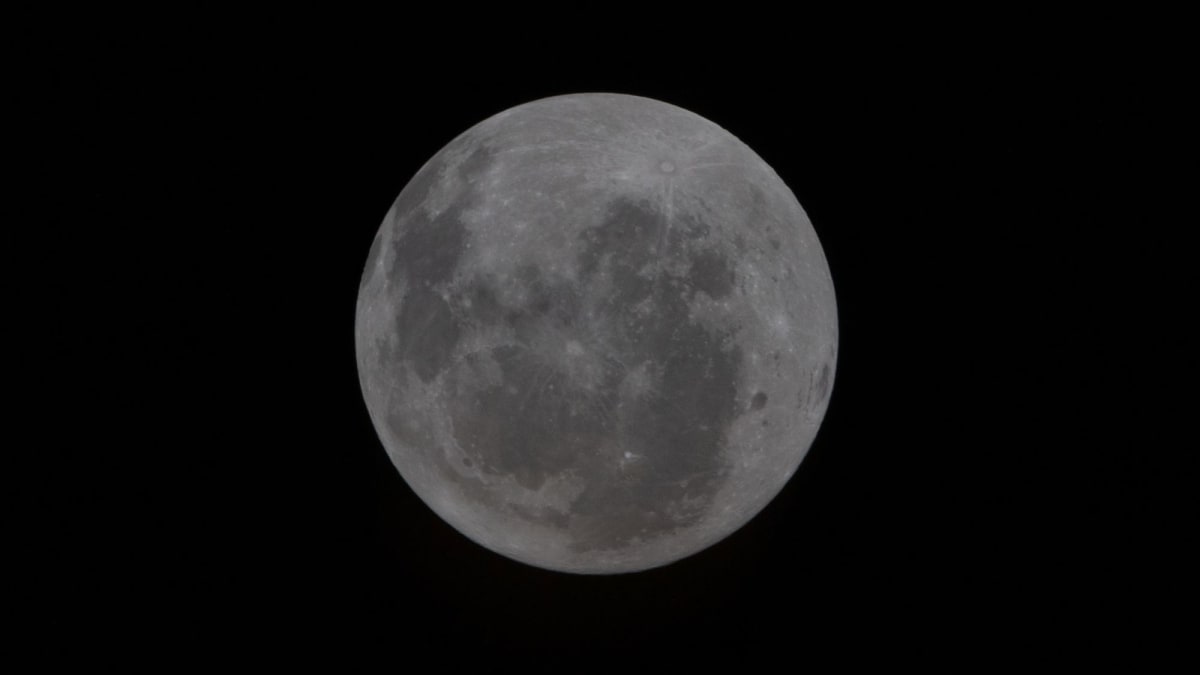
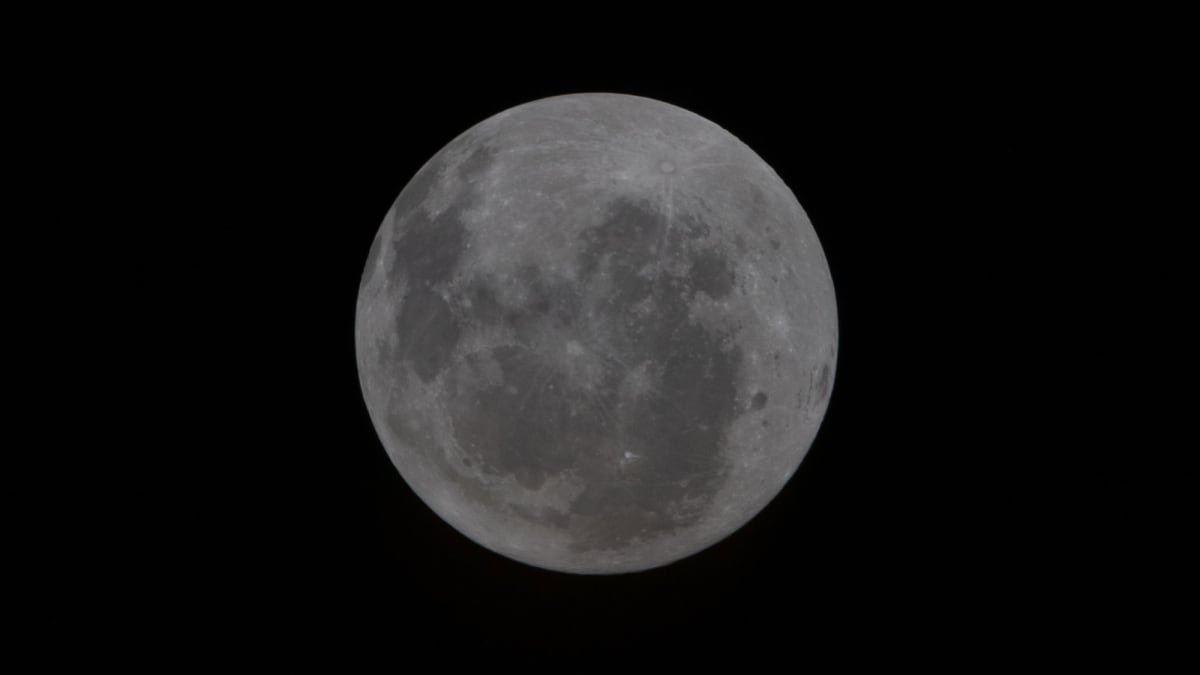
Four astronauts aboard NASA's Artemis 2 mission just experienced something no human has witnessed in 53 years: the moon from up close, exactly as it appears in space rather than from Earth.
Christina Koch became the first woman to fly to the moon when the mission launched April 1. On Saturday, April 4, she radioed Mission Control with pure excitement in her voice.
"The moon we are looking at is not the moon you see from Earth whatsoever," Koch said. Her crewmates, Commander Reid Wiseman, Victor Glover, and Jeremy Hansen, shared her awe.
Wiseman, normally reserved, couldn't contain himself. Through a 400mm camera lens, he spotted craters like Tycho, Copernicus, and Rainer in stunning three-dimensional detail.
"I'm not one for hyperbole, but it's the only thing I can come up with," he told Mission Control. "It's just everything from the training, but in three dimensions and absolutely unbelievable."
Mission Control's response? "Copy, moon joy."
The crew turned off their cabin lights inside the Orion spacecraft to get the best possible view. They reported back detailed observations of lunar craters, vast basalt plains called mare (Latin for "seas"), and brightness variations across the surface.
Scientists on Earth were especially thrilled about one target: Orientale Basin. This massive crater on the far side of the moon has never been fully visible to human eyes until now.
"We can see over Orientale just with the naked eye," Wiseman reported. "We can definitely see all of the basin of Orientale. This is so awesome."
Why This Inspires
Jennifer Hellmann, an Artemis 2 science team lead from NASA Ames Research Center, listened from the Science Evaluation Room at Johnson Space Center. She could barely contain her excitement.
"You could hear the excitement in their voices. They were just beside themselves looking at the moon," Hellmann said. Months of training the astronauts on what to observe was paying off beautifully.
The crew's observations weren't just emotional reactions. They delivered precise scientific details about the terminator line, the sharp border between lunar day and night, and topographical features along that boundary.
Their lunar flyby happens Monday, April 6, lasting seven hours. But this moment of "moon joy" has already reminded us why space exploration matters: it reconnects humanity with wonder.
More than five decades after the last Apollo mission, we're returning to the moon with better technology, deeper knowledge, and this time, we're going to stay.
More Images


Based on reporting by Space.com
This story was written by BrightWire based on verified news reports.
Spread the positivity!
Share this good news with someone who needs it