Artemis 2 Astronauts to Recreate Iconic Earthrise Photo
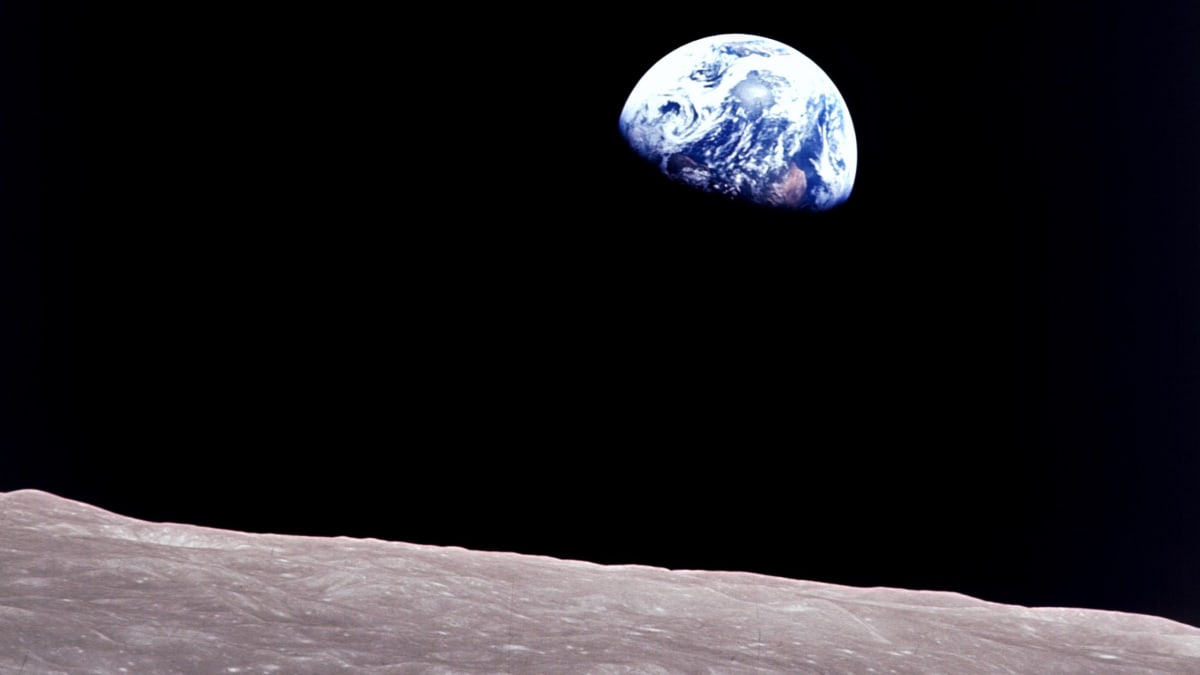
On April 6, NASA's Artemis 2 crew will attempt to capture a new version of the famous 1968 Earthrise photo during their flight around the moon. The original image united the world during turbulent times, and NASA hopes the new photo will inspire humanity once again.
Fifty-seven years after Apollo 8 astronaut Bill Anders snapped one of history's most powerful photographs, four astronauts are preparing to recreate the magic.
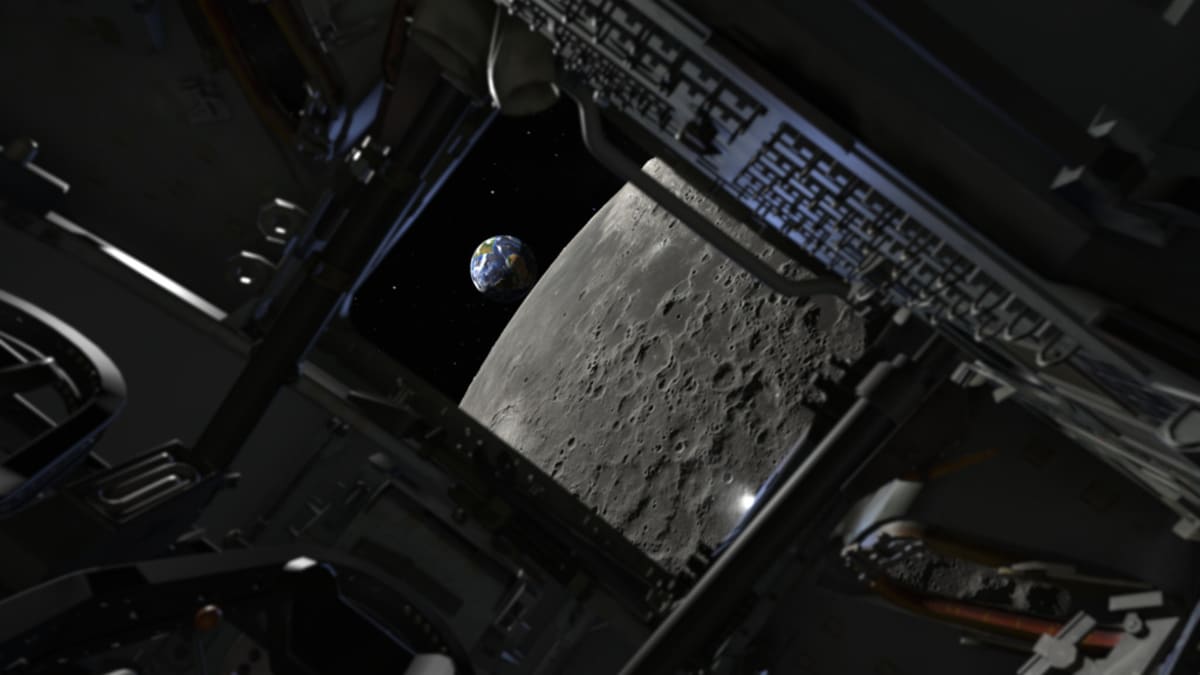
On April 6, the Artemis 2 crew will swing around the far side of the moon and attempt to capture their own version of the iconic Earthrise image. The original 1968 photo showed our fragile blue planet rising above the barren lunar surface, reminding everyone that we all share one precious world.
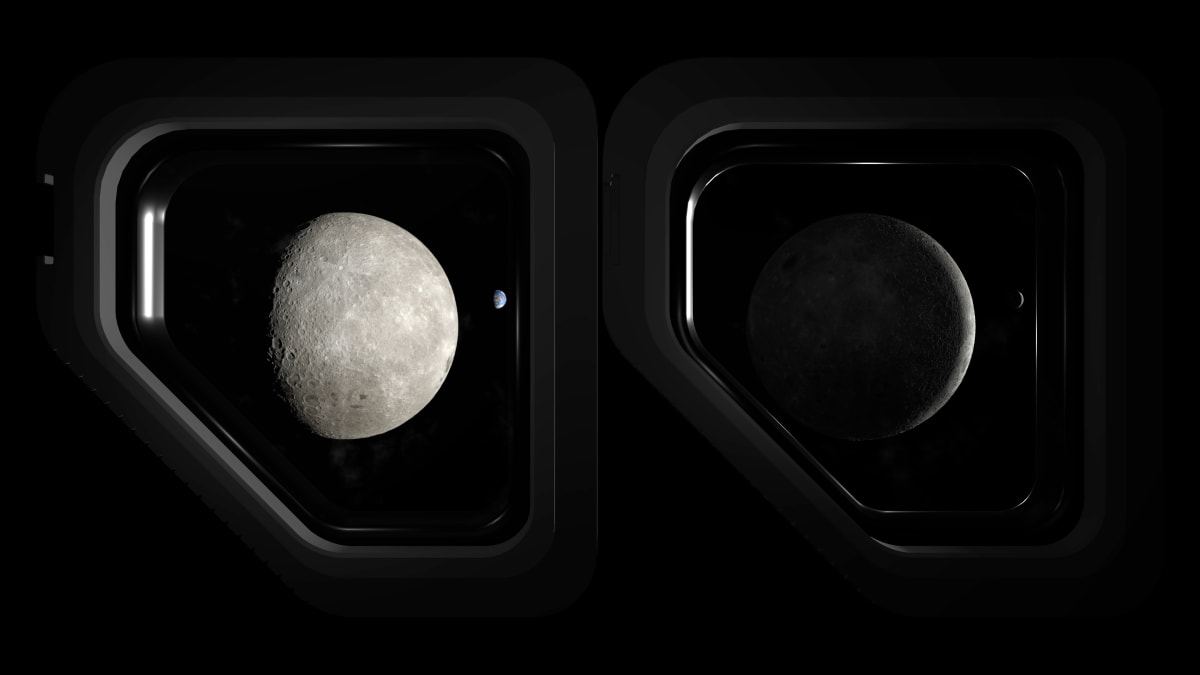
NASA astronauts Reid Wiseman, Victor Glover, Christina Koch, and Canadian Space Agency astronaut Jeremy Hansen will have just minutes to capture both "Earthrise" and "Earthset" as Earth appears and disappears behind the moon's horizon. During their 45-minute journey around the lunar far side, timing will be everything.
The original Earthrise happened completely by accident. Bill Anders was shooting black-and-white film during Apollo 8's fourth orbit when he spotted Earth coming into view. "Oh my god, look at that picture over there!" he exclaimed, quickly switching to color film to capture the moment.
Commander Frank Borman joked, "Hey, don't take that, it's not scheduled," but Anders took the shot anyway. That spontaneous decision created an image that became a symbol for environmental and peace movements during the Vietnam War era.
This time, capturing Earthrise is absolutely on the schedule. The Artemis 2 team has planned every detail, though their photo will look different from the original for several reasons.
The Orion capsule will fly between 4,000 and 6,000 miles above the lunar surface, up to 100 times higher than Apollo 8's altitude of just 60 miles. The crew will use advanced digital Nikon D5 cameras instead of the Hasselblad film cameras from 1968, giving them far more control over their shots.
Lighting conditions will also create a unique view. The lunar far side will only be partially illuminated during the flyby, casting dramatic shadows across craters and ridges that reveal depth and texture often hidden in full sunlight.
Why This Inspires
The Earthrise photograph did more than capture a beautiful view. It fundamentally changed how humanity sees itself, showing our shared home as a tiny oasis in the vast darkness of space.
At a time when divisions seemed overwhelming, that single image reminded people of what connects us all. The new Earthrise won't replace the original, but it carries the same hopeful message forward to a new generation.
In our current era of challenges and uncertainties, seeing Earth from the moon again might be exactly what we need. Sometimes the best perspective comes from 240,000 miles away.
More Images

Based on reporting by Space.com
This story was written by BrightWire based on verified news reports.
Spread the positivity!
Share this good news with someone who needs it