Artemis 2 Breaks 55-Year Space Distance Record
Four astronauts just traveled farther from Earth than any humans in history, surpassing a record that stood since 1970. The crew received a touching congratulatory message from the late Jim Lovell, who held the old record.
Four astronauts aboard NASA's Artemis 2 mission just made history by traveling farther from Earth than any human ever has. On April 6, they broke the distance record of 248,655 miles set by Apollo 13's crew 55 years ago.
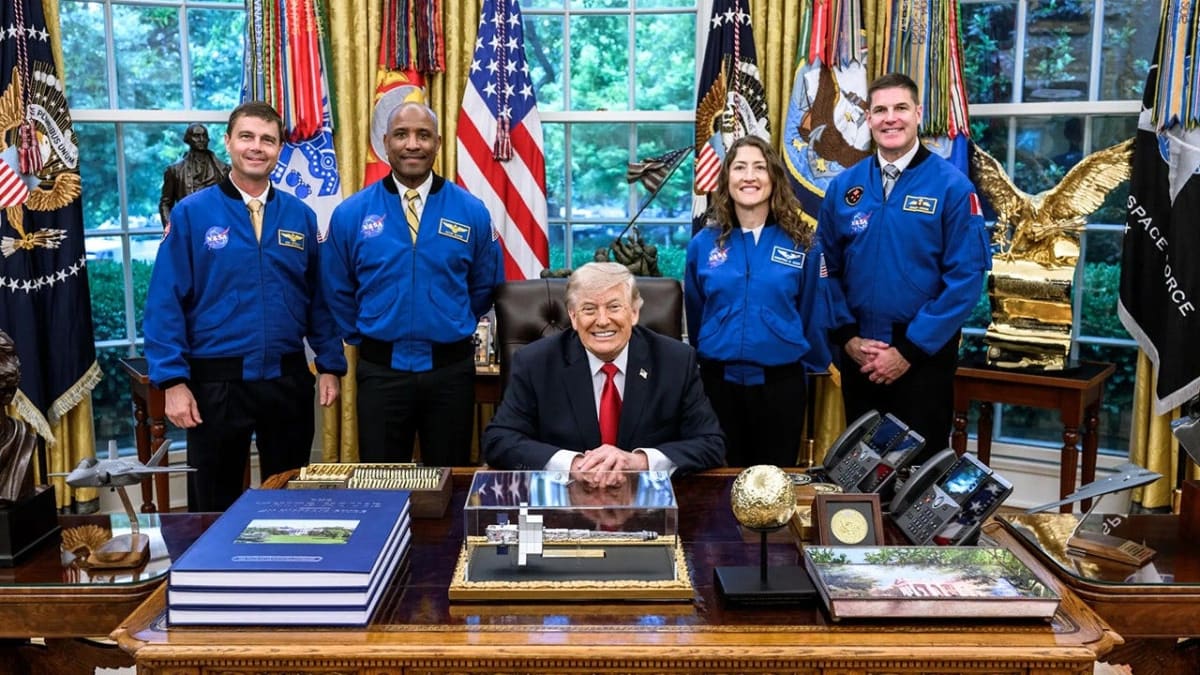
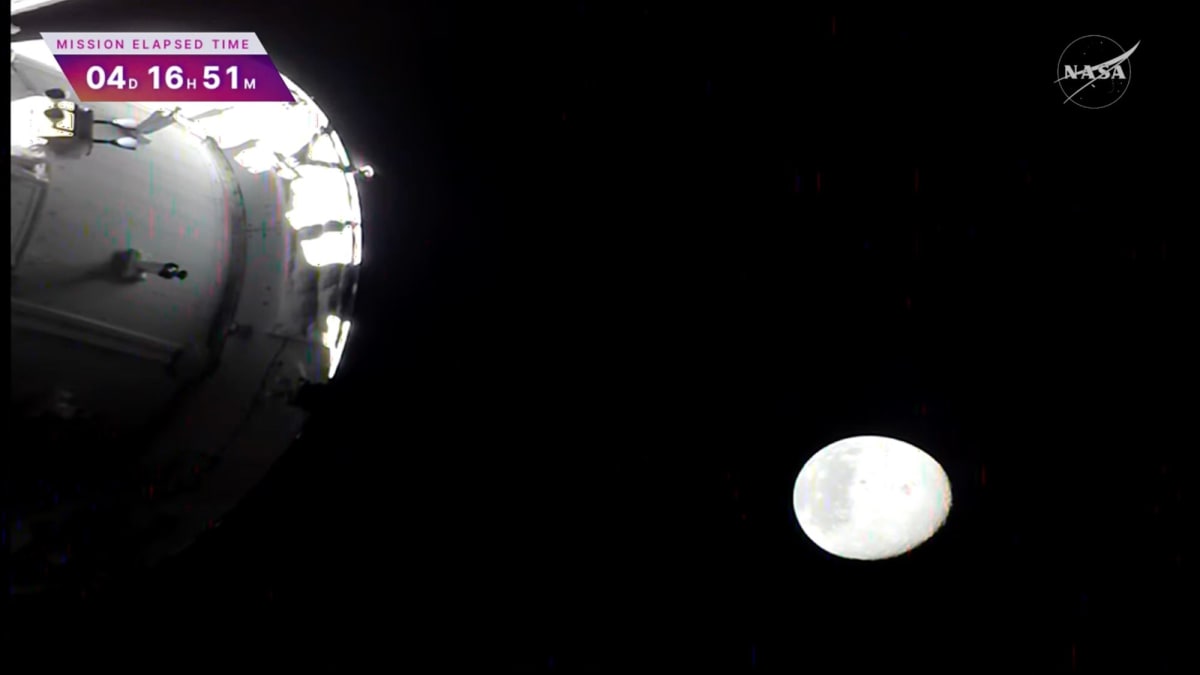
The milestone came as their Orion capsule looped around the far side of the moon, reaching a maximum distance of about 252,760 miles from home. Commander Reid Wiseman, Victor Glover, Christina Koch, and Canadian Space Agency astronaut Jeremy Hansen are now the farthest travelers in human history.
Before his death last August, Apollo 13 commander Jim Lovell recorded a special message for this exact moment. Mission Control beamed it up to the crew as they entered what Lovell called "my old neighborhood."
"When Frank Borman and Bill Anders and I orbited the moon on Apollo 8, we got humanity's first up-close look at the moon, and got a view of the whole planet that inspired and united people around the world," Lovell said in the recording. "I'm proud to pass that torch on to you."
Wiseman responded with visible emotion: "That was an awesome message from Jim Lovell. Very cool to hear him welcome us to the neighborhood."
Canadian astronaut Jeremy Hansen shared powerful words just after breaking the record. "We do so honoring the extraordinary efforts and feats of our predecessors in human space exploration," he said, challenging future generations to push even farther.
Why This Inspires
This mission represents more than broken records. Victor Glover became the first person of color to travel beyond low Earth orbit, while Christina Koch became the first woman to do so.
The Artemis 2 crew is succeeding where Apollo 13 struggled. That 1970 mission only set its distance record because an oxygen tank explosion forced an emergency lunar flyby instead of the planned landing.
This time, everything is going exactly as planned. The mission is testing whether Orion can safely support astronauts in deep space, paving the way for the first moon landing since 1972.
If this shakeout cruise succeeds, NASA plans to land astronauts on the moon in late 2028 and build a permanent base near the south pole by the early 2030s. The crew splashes down off San Diego on April 10.
Lovell closed his message with encouragement for the future: "Don't forget to enjoy the view." As these four pioneers loop back toward Earth, they're carrying humanity's dreams of exploration farther than ever before.
More Images


Based on reporting by Space.com
This story was written by BrightWire based on verified news reports.
Spread the positivity!
Share this good news with someone who needs it