Artemis 2 Crew to See 53-Minute Solar Eclipse Beyond Moon
Four astronauts will witness a total solar eclipse lasting 53 minutes from beyond the moon on April 6, 2026, seven times longer than any eclipse visible from Earth. Their observations from this record-breaking distance could help scientists understand the sun's mysterious outer atmosphere.
Four astronauts are about to witness something no human has seen in over 50 years: a solar eclipse from deep space that lasts nearly an hour.
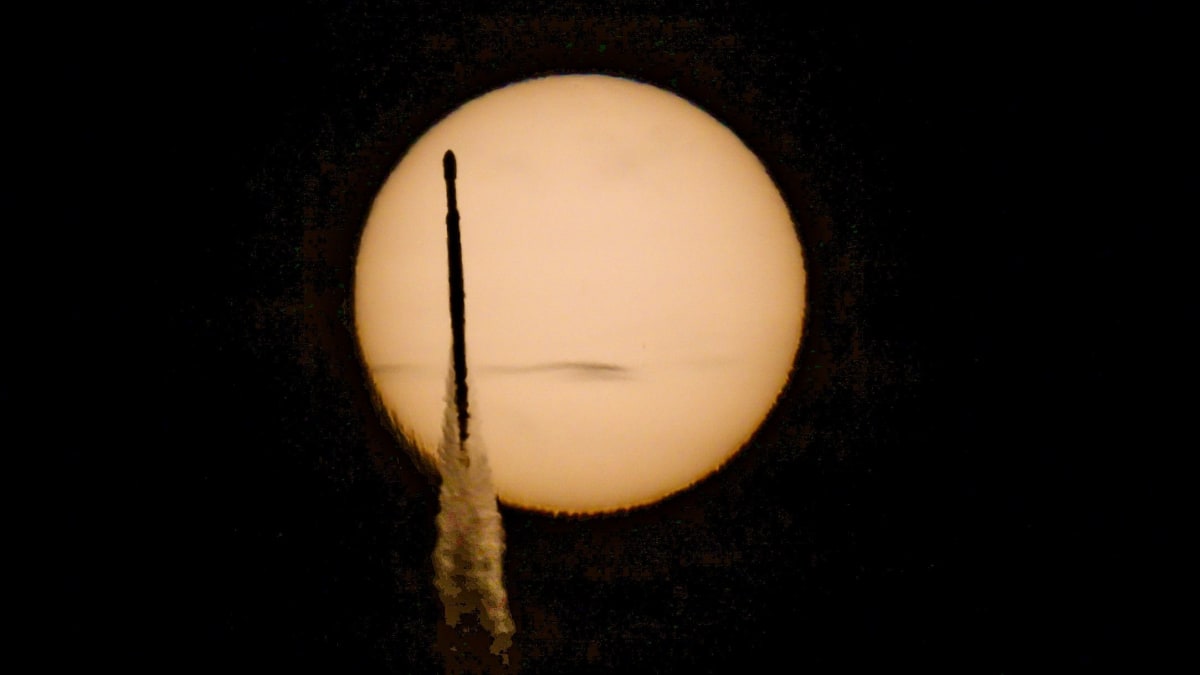
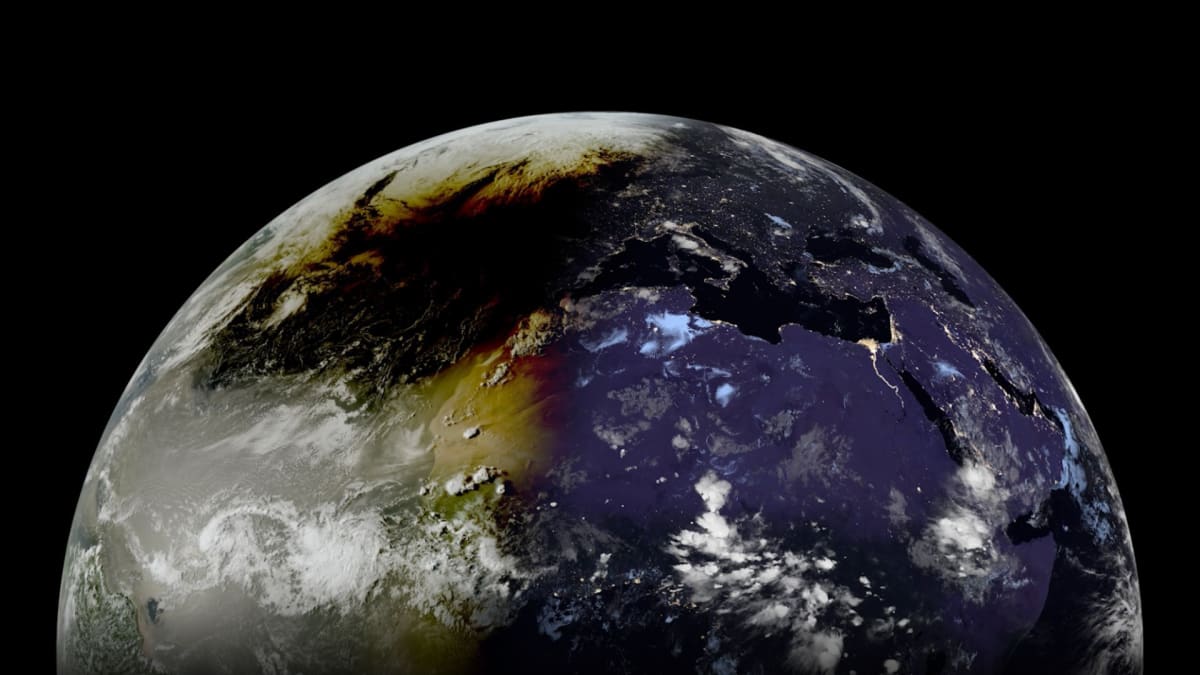
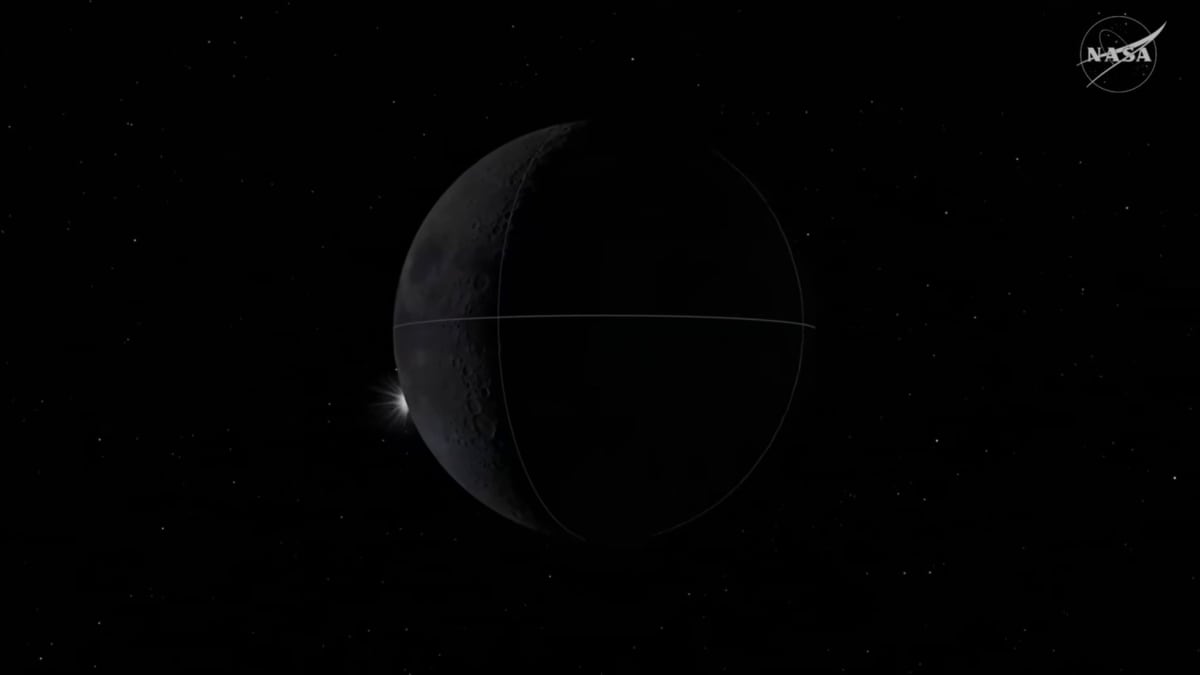
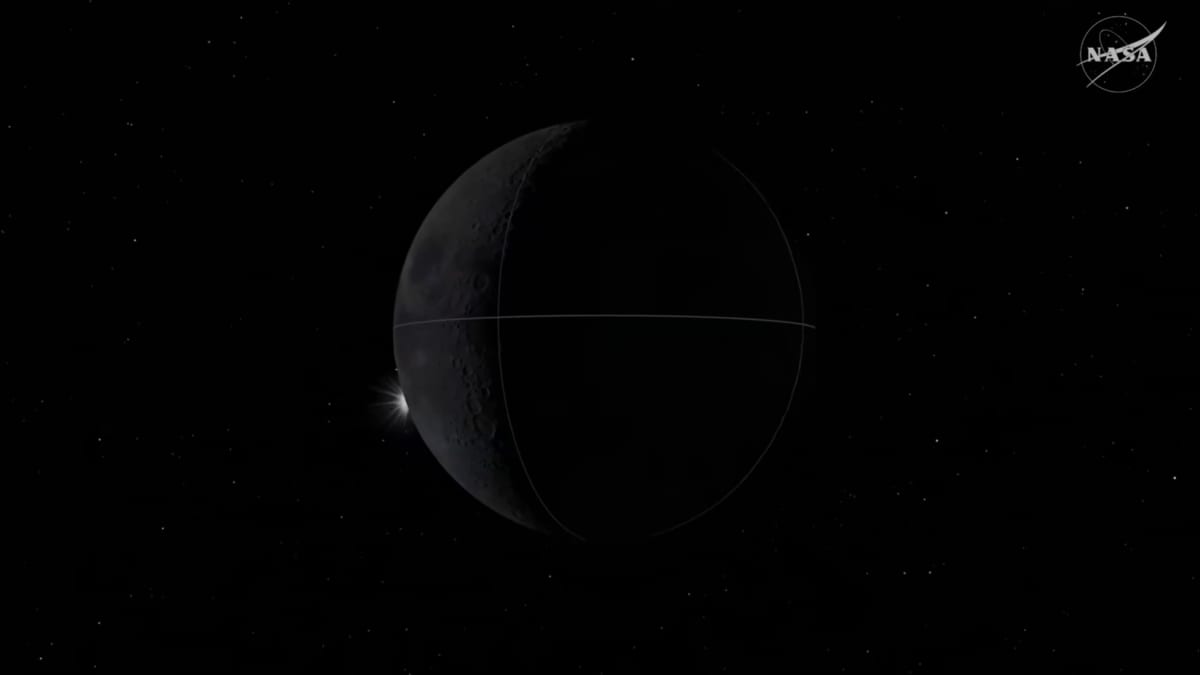
On Monday, April 6, 2026, the Artemis 2 crew will see a total solar eclipse lasting 53 minutes as they swing around the moon's far side. That's seven times longer than the maximum totality possible from Earth.
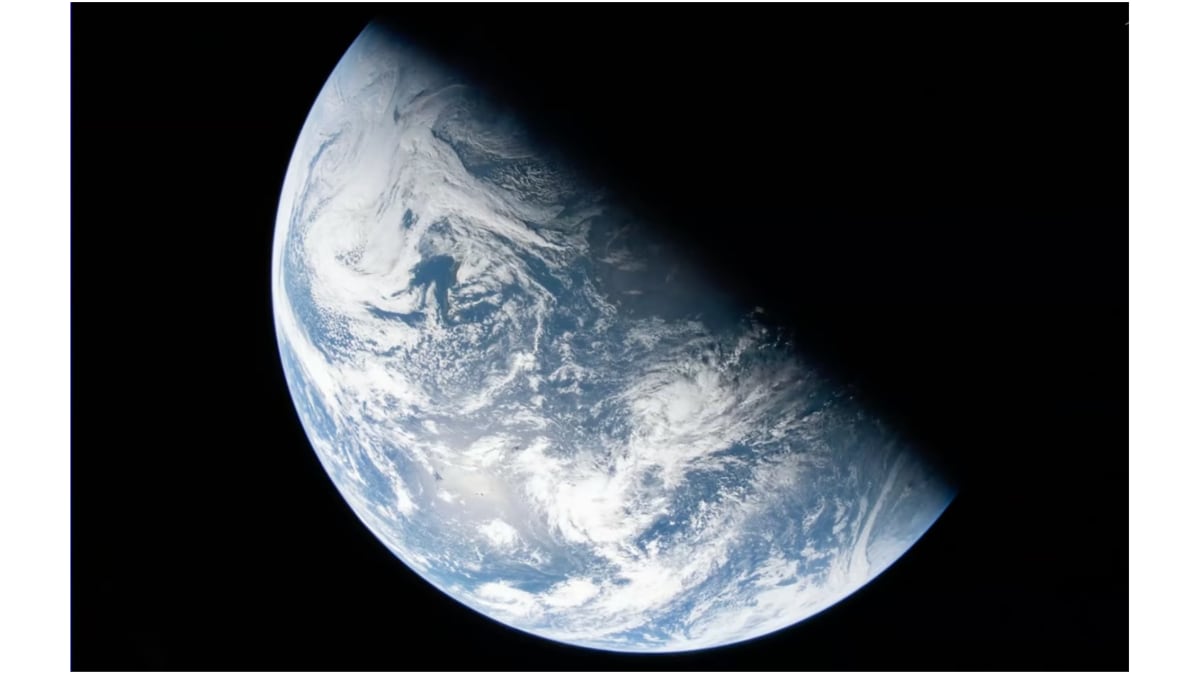
NASA astronauts Reid Wiseman, Victor Glover, Christina Koch, and Canadian astronaut Jeremy Hansen will have this rare view because of their unique position in space. Their Orion capsule will be 252,757 miles from Earth, breaking the distance record set by Apollo 13 in 1970.
"The moon appears much, much, much larger in their view than it does from us here on Earth," said Kelsey Young, NASA's Artemis science flight operations lead. This massive difference in perspective creates the extended eclipse window.
The eclipse begins at 8:35 p.m. EDT, just 90 minutes after the crew reaches their farthest point from home. NASA is asking the astronauts to do more than just enjoy the view.
Scientists rarely get clear looks at the sun's wispy outer atmosphere, called the corona, which usually gets lost in the sun's overwhelming brightness. The astronauts will describe what they see in the corona, providing scientists with observations from a vantage point no spacecraft can match.
Human eyes catch subtle details that cameras miss. During Apollo 17, astronauts spotted oddly orange lunar soil that revealed volcanic activity happened on the moon much more recently than scientists expected.
Why This Inspires
This mission shows how human space exploration keeps pushing boundaries while creating unexpected opportunities for discovery. The eclipse viewing wasn't even part of the original plan. Launch delays pushed the mission from early February into April, accidentally creating this celestial alignment.
"That's something we hadn't been thinking we were going to be able to do," Hansen said during a press conference. "But because we launched on April 1, we're going to get to see that now, which is pretty neat."
The astronauts will also scan the lunar surface during their flyby, looking for color variations and features that robotic orbiters might miss. Parts of the far side have never been seen by human eyes, and their observations could raise new questions about the moon's history.
The last humans to see solar eclipses from lunar orbit were the Apollo astronauts who circled the moon decades ago. Now, after more than 50 years, humanity is returning to witness these cosmic spectacles again.
After Monday's flyby, Artemis 2 will head back to Earth, splashing down off San Diego on April 10 to complete their 10-day mission and bring home observations that could reshape our understanding of both the sun and moon.
More Images


Based on reporting by Space.com
This story was written by BrightWire based on verified news reports.
Spread the positivity!
Share this good news with someone who needs it