Artemis 2 Crew Uses Most Powerful Tool: The Human Eye
Four astronauts are studying the Moon with their eyes, not just cameras, because human vision detects color and texture in ways technology still can't match. After two years of training to become "field scientists," they're ready to share what they see with a generation that's never heard live Moon observations.
More than 50 years after Apollo, astronauts are about to describe the Moon's surface in real time using the most advanced instrument available: their own eyes.
When the Artemis 2 crew flies around the Moon on Monday, they'll rely on human vision to capture details that cameras miss. "The human eye is basically the best camera that could ever or will ever exist," says Kelsey Young, the mission's lead scientist.
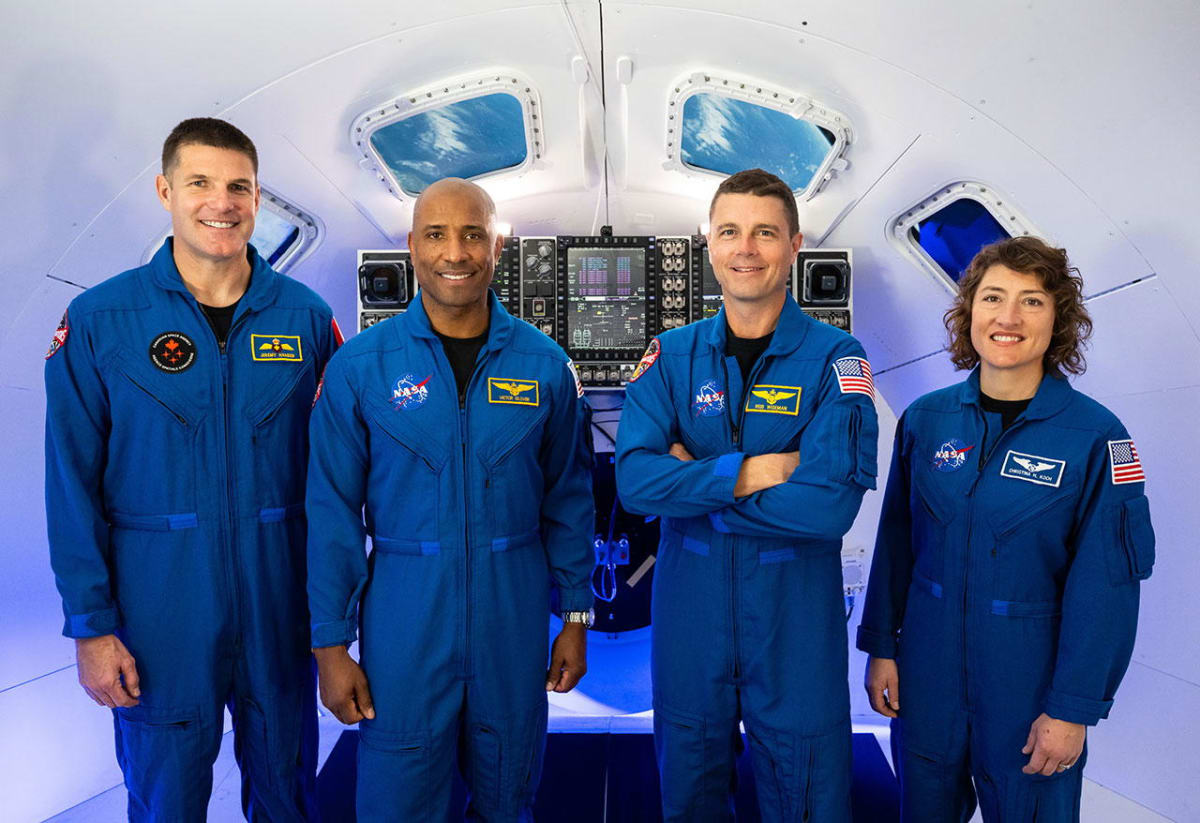
The four astronauts spent over two years training to become field scientists in space. Commander Reid Wiseman, pilot Victor Glover, mission specialist Christina Koch, and Canadian astronaut Jeremy Hansen memorized the Moon's "Big 15" features to help them navigate and describe what they see.
They practiced with inflatable Moon globes, learning how sunlight changes colors and textures on the lunar surface. They went on geological expeditions to Iceland and Canada, sharpening their observation skills for the big moment.
Human eyes excel at detecting subtle color shifts and understanding how light reveals surface details. In a single glance, astronauts can notice changes that photos and videos struggle to capture. They'll look for dark browns and tan colors that reveal the Moon's composition and history.
During the flyby, the Moon will appear about the size of a basketball held at arm's length. The crew will observe and take notes on 10 scientific objectives ranked by priority, using both their naked eyes and onboard cameras.
Why This Inspires
At least two generations have never heard astronauts describe the Moon in real time. NASA will broadcast the flyby live, letting millions experience the wonder alongside the crew.
Young listened to practice descriptions during mission simulations and says it gave her chills. "I am absolutely confident that these four people are going to deliver some incredible descriptions."
Glover called eyes a "magical instrument" before liftoff, and scientists agree that sometimes the oldest tools remain the best ones.
This mission proves that even with all our technological advances, human observation, curiosity, and the ability to share what we see still matter most.
Based on reporting by Vanguard Nigeria
This story was written by BrightWire based on verified news reports.
Spread the positivity!
Share this good news with someone who needs it