Artemis II Astronauts Break Apollo Record Circling the Moon
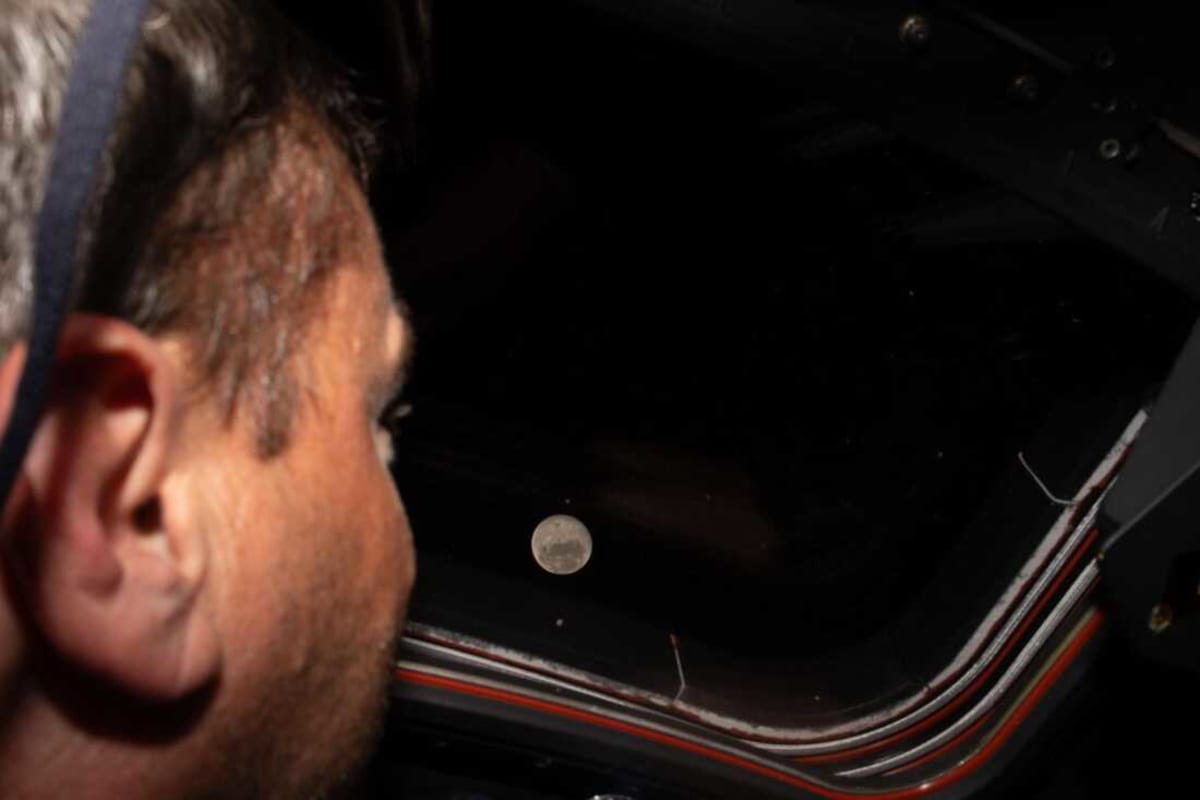
Four astronauts just traveled farther from Earth than any humans in history, looping around the moon and gathering data that will help us return to the lunar surface by 2028. They're now racing home after a successful mission that included stunning science observations and a touching tribute to a fallen loved one.
Four astronauts are speeding back to Earth after making history 252,756 miles from home, breaking a distance record that stood for 56 years.
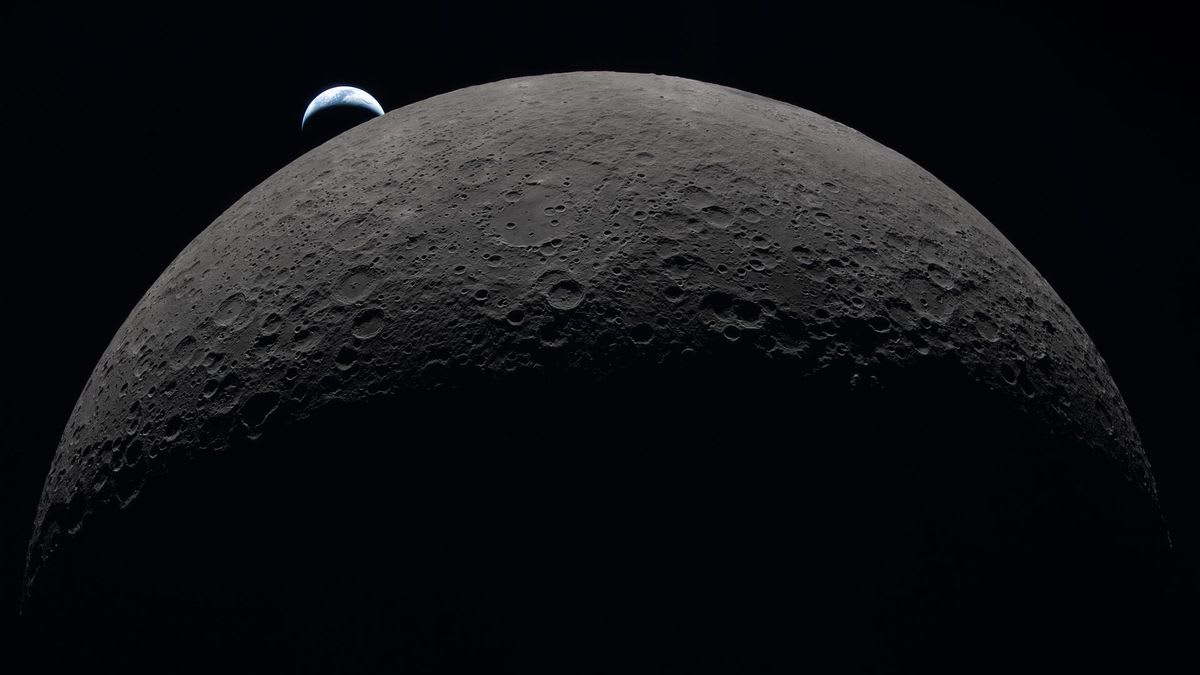
NASA's Artemis II crew swung around the moon Monday, traveling 4,111 miles farther than the Apollo 13 astronauts did in 1970. As their Orion capsule whipped behind the moon, they lost contact with Mission Control for 40 nail-biting minutes while skimming just 4,067 miles above the lunar surface.
"And to all of you down there on Earth and around Earth, we love you, from the Moon," mission specialist Christina Koch radioed before the blackout. "We will see you on the other side."
When communication returned, Koch delivered a message about humanity's future in space. "We will explore, we will build ships, we will construct science outposts," she said. "But ultimately, we will always choose Earth. We will always choose each other."
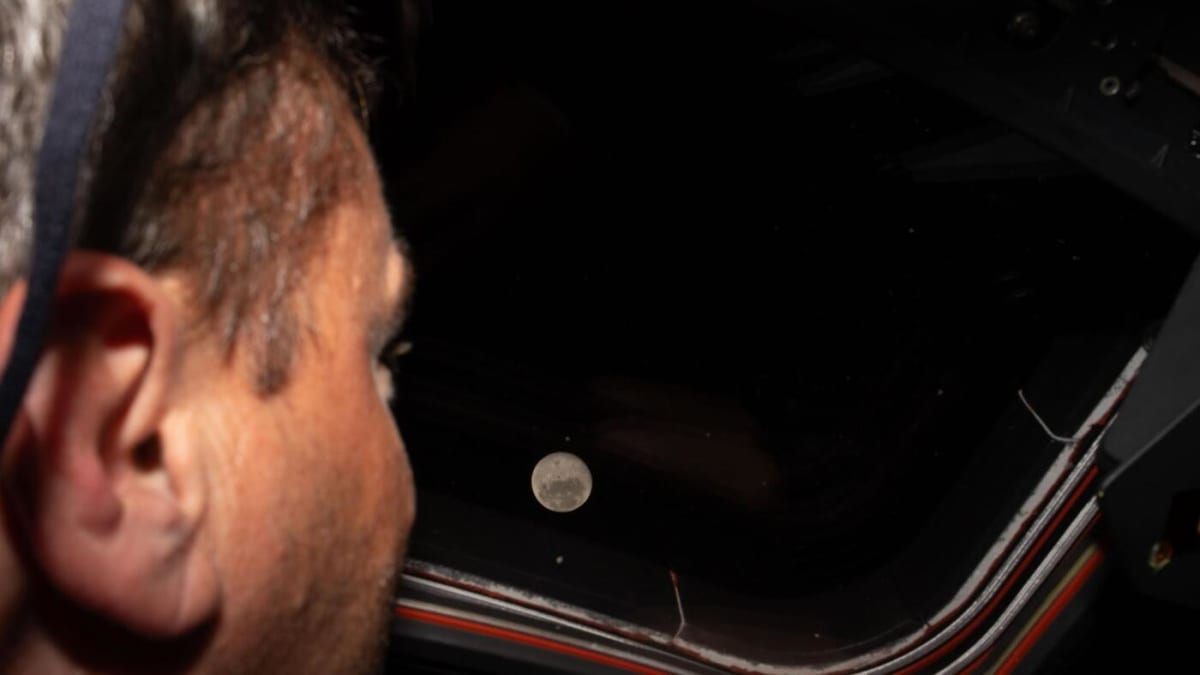
The crew turned their high-altitude journey into a science bonanza. Working in pairs, astronauts Reid Wiseman, Victor Glover, Christina Koch, and Jeremy Hansen photographed about 35 locations on the lunar surface, calling down their observations in real time to scientists in Houston.
Their human eyes spotted something satellites can't capture as well: subtle color changes across the moon's face. "That had green issues to me and was very unique," mission specialist Jeremy Hansen reported about one plateau. "I didn't see anything like that anywhere else on this side of the moon."
These observations will help scientists understand what minerals exist where, guiding future robotic missions to the far side of the moon. The data could prove crucial for missions planned as soon as 2028 that will actually land humans on the lunar surface.
The astronauts also witnessed something extraordinary during their flight: a solar eclipse from space. As the darkened moon slid in front of the sun for about an hour, the crew studied the sun's corona peeking around the lunar edge.
"This continues to be unreal," pilot Victor Glover told Mission Control. "It is quite an impressive sight."
Why This Inspires
In a touching moment during the flyby, the crew dedicated an unnamed crater to commander Reid Wiseman's late wife, Carroll, who died from cancer in 2020. "It's a bright spot on the moon," said Hansen. "And we would like to call that Carroll."
The gesture reminds us that even as we push the boundaries of human exploration, we carry our humanity with us into the cosmos.
Now comes the final test. On Friday, Orion will punch through Earth's atmosphere at 25,000 miles per hour, enduring temperatures up to 5,000 degrees Fahrenheit. A specially designed heat shield will protect the crew as parachutes slow their descent to just under 20 miles per hour for a Pacific Ocean splashdown near San Diego.
This nearly 10-day test flight is paving the way for permanent human presence on the moon, proving that the next generation of space exploration isn't just possible but already underway.
More Images

Based on reporting by NPR Science
This story was written by BrightWire based on verified news reports.
Spread the positivity!
Share this good news with someone who needs it