Artemis II Astronauts Bring Moon Mission Message to the UN
A month after flying farther than any humans in history, the Artemis II crew visited the United Nations to share what seeing Earth from deep space taught them about our shared future. Their message: humanity achieves extraordinary things when we work together.
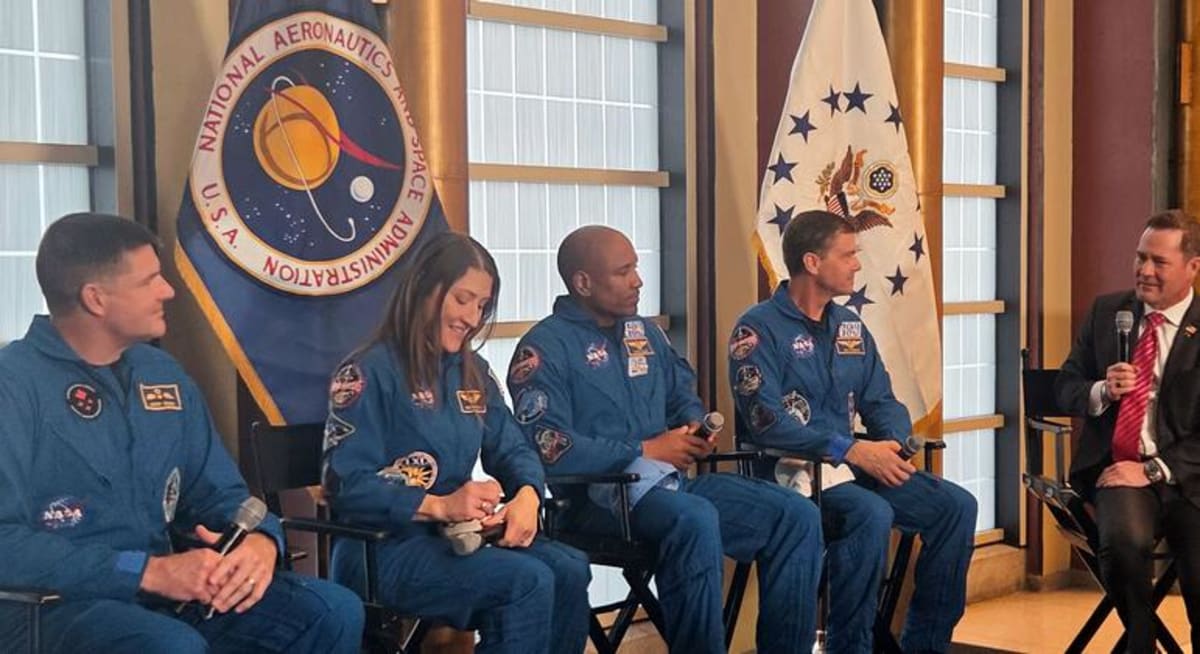
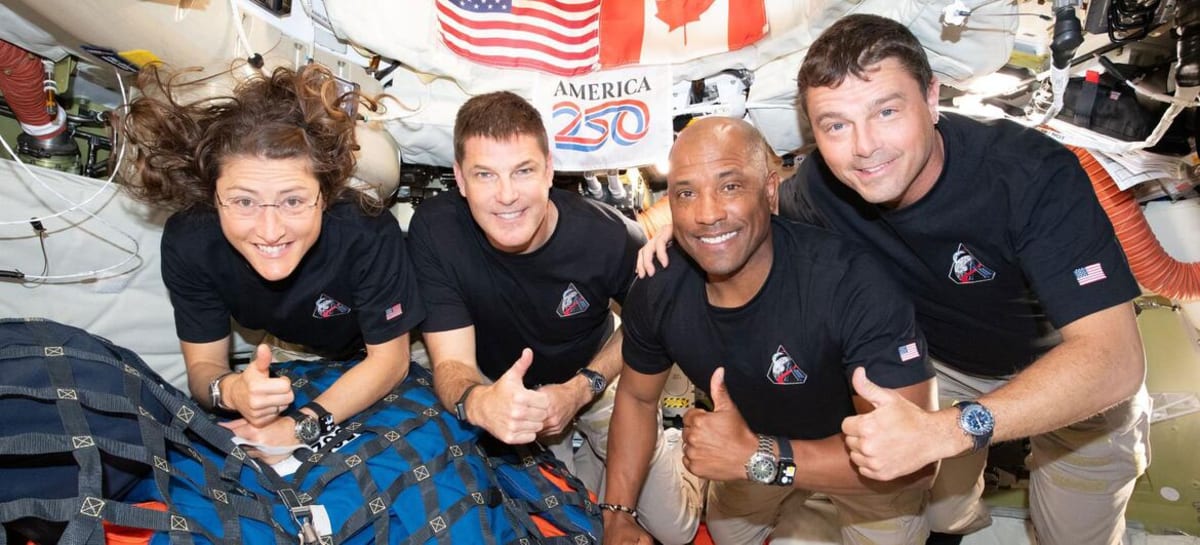
The four astronauts who just completed the farthest human spaceflight in history landed at UN Headquarters this week with a perspective that only a handful of people have ever experienced.
The Artemis II crew spent 10 days traveling beyond the far side of the Moon and back, carrying out a mission that captured the imagination of billions. Now they're sharing what they learned with the world.
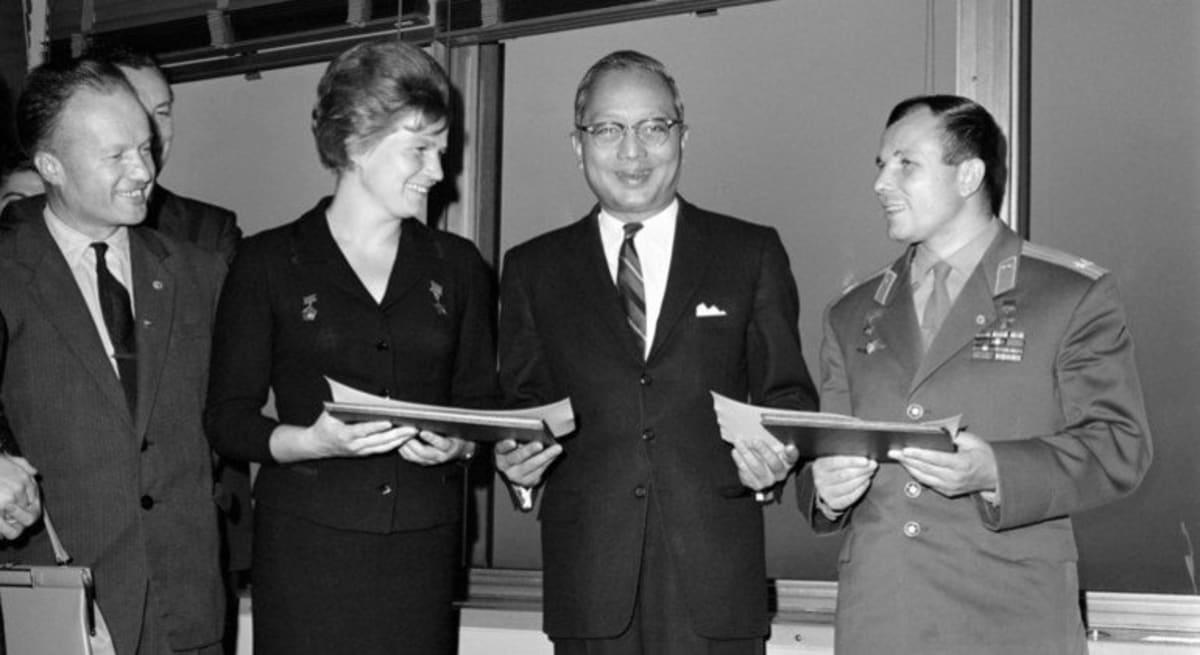
Their visit continues a tradition that started in 1963 when Soviet cosmonauts Yuri Gagarin and Valentina Tereshkova became the first space travelers to address the international community. For over 60 years, astronauts have come to the UN to talk about what space exploration teaches us about cooperation and our shared future.
The crew included three Americans and one Canadian astronaut, Jeremy Hansen. Their mission represented a true international effort, involving the European Space Agency and specialists from around the world who developed scientific instruments and systems.
From hundreds of thousands of miles away, Earth looked small and fragile against the vast darkness of space. Pilot Victor Glover said the view made him grateful for what they were seeing and what they were returning to.
Astronaut Christina Koch described a profound realization about humanity's place in the universe. "You realize that actually there's nothing absolute or guaranteed about this, and that actually there is such thing as a global scale. This scale is our world and what we do with it is our choice."
Life aboard the spacecraft brought its own challenges and moments of levity. Hansen recalled opening a package of granola too quickly in microgravity, sending berries flying across the cabin and dotting Glover's shirt. Glover simply grabbed a spoon and ate them off his clothing.
The Ripple Effect
Artemis II marks just the beginning of a broader vision. The program aims to establish a sustained human presence on the Moon, building infrastructure that will support long-term exploration and serve as a stepping stone for future missions.
The effort is guided by the Artemis Accords, international principles already endorsed by dozens of countries that emphasize peaceful cooperation in space. The mission shows how nations can pool resources, expertise, and ambition to achieve what seemed impossible.
The astronauts spoke directly to young people during their visit, encouraging them to ask questions and listen carefully to the answers. They emphasized that their generation will inherit both the challenges and opportunities of space exploration.
Commander Reid Wiseman summed up the mission's deeper meaning. "Everyone asks what the Earth looks like from space, and most of the time I reply, the tiny Earth is an incredible place."
Space offers a perspective that allows us to see our planet as it truly is: unique, shared, fragile, and capable of bringing people together when we choose to work as one.
More Images


Based on reporting by UN News
This story was written by BrightWire based on verified news reports.
Spread the positivity!
Share this good news with someone who needs it