Artemis II Astronauts Get Real Toilets After 50 Years
Four astronauts just became the first humans to travel beyond low-Earth orbit in over 50 years, and their spacecraft finally has an actual toilet. While rocket technology hasn't changed much since Apollo, the comfort upgrades tell a story of how far we've come in making space travel more human.
After more than half a century, humans are heading back toward the Moon, and this time they won't have to deal with plastic bags for bathroom breaks.
Artemis II launched this week from Kennedy Space Center in Florida, carrying four astronauts on a 10-day journey that marks humanity's return to deep space exploration. Their home for the trip is about the size of two large SUVs, packed with 54 years of improvements over the cramped Apollo capsules.
The toilet upgrade might seem trivial, but it represents something bigger. During Apollo, astronauts used uncomfortable cuffs and plastic bags, leading to some memorable moments like Apollo 10's infamous "floating turd" incident. The fact that NASA now prioritizes crew comfort shows how space travel is evolving from pure survival missions to sustainable exploration.
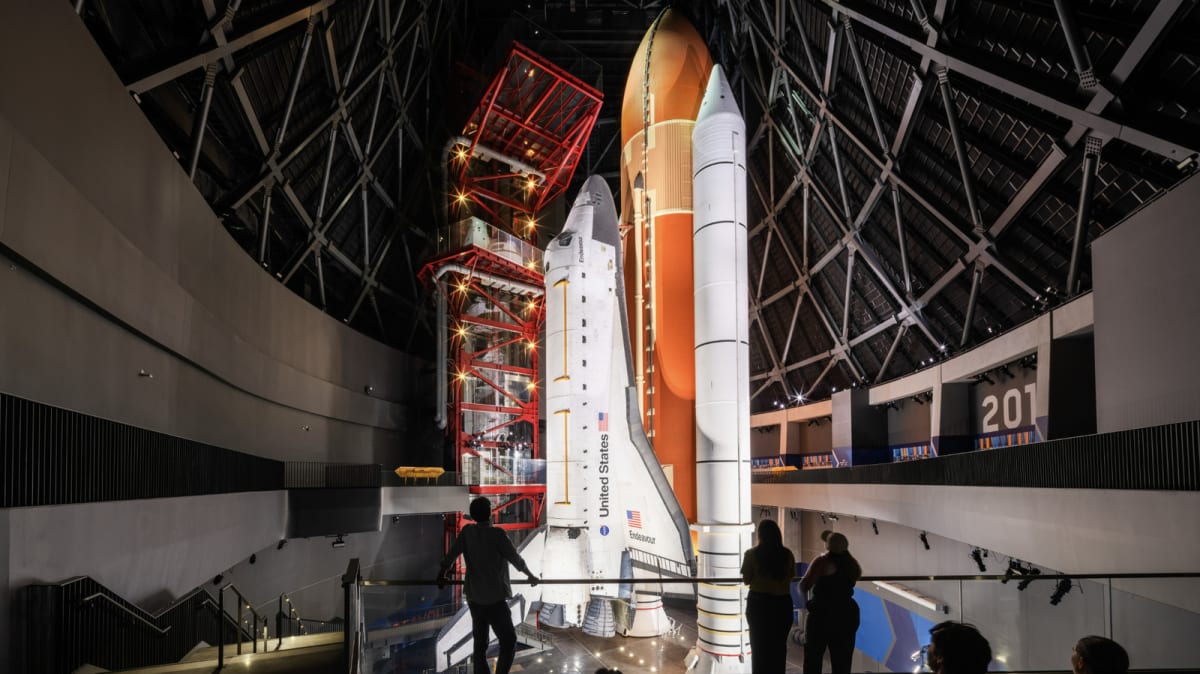
Some things haven't changed at all, though, and that's actually good news. The rocket fuel is still hydrogen and oxygen because extensive research in the 1960s proved nothing works better. The Artemis rocket even uses repurposed Space Shuttle engines that have already flown to space multiple times, proving that smart reuse beats reinventing the wheel.
"The core concepts of rockets haven't really changed in the last 70 years," says Adam Gilmour, CEO of Gilmour Space Technologies. "No one's come up with a warp drive or an anti-gravity drive or anything like that." Sometimes the simplest solutions remain the best ones.
The computing power, however, tells a different story. Apollo's guidance computer had less memory than a basic calculator today, yet it got astronauts to the Moon and back. Margaret Hamilton's hand-coded software was so brilliant it compensated for limited technology through pure ingenuity.
Today's Artemis systems process data 20,000 times faster and pack 128,000 times more memory. Yet the mission control center calling the shots is the same building in Houston that's been guiding missions since 1965, a testament to getting things right the first time.
The blend of old and new reveals something hopeful about human progress. We don't always need flashy innovation when proven technology works. But we also haven't stopped improving the experience for the people brave enough to leave Earth behind.
The Bright Side
This mission proves that progress doesn't mean abandoning what works. NASA's approach of combining time-tested rocket science with modern computing and basic human dignity creates a sustainable path forward. The reused Space Shuttle components show that space exploration can be more economical and environmentally conscious while still pushing boundaries.
As these four astronauts orbit the Moon over the next 10 days, they're not just revisiting old achievements but building the foundation for permanent lunar presence and eventual Mars missions.
More Images


Based on reporting by ABC Australia
This story was written by BrightWire based on verified news reports.
Spread the positivity!
Share this good news with someone who needs it