Artemis II Astronauts Return From Historic Moon Flyby
Four astronauts just completed humanity's first journey to the moon in over 50 years, capturing breathtaking images and breaking distance records. The successful mission marks a giant leap forward in returning humans to deep space exploration.
For the first time in more than half a century, humans have returned to the moon's vicinity, and the view left them searching for words.
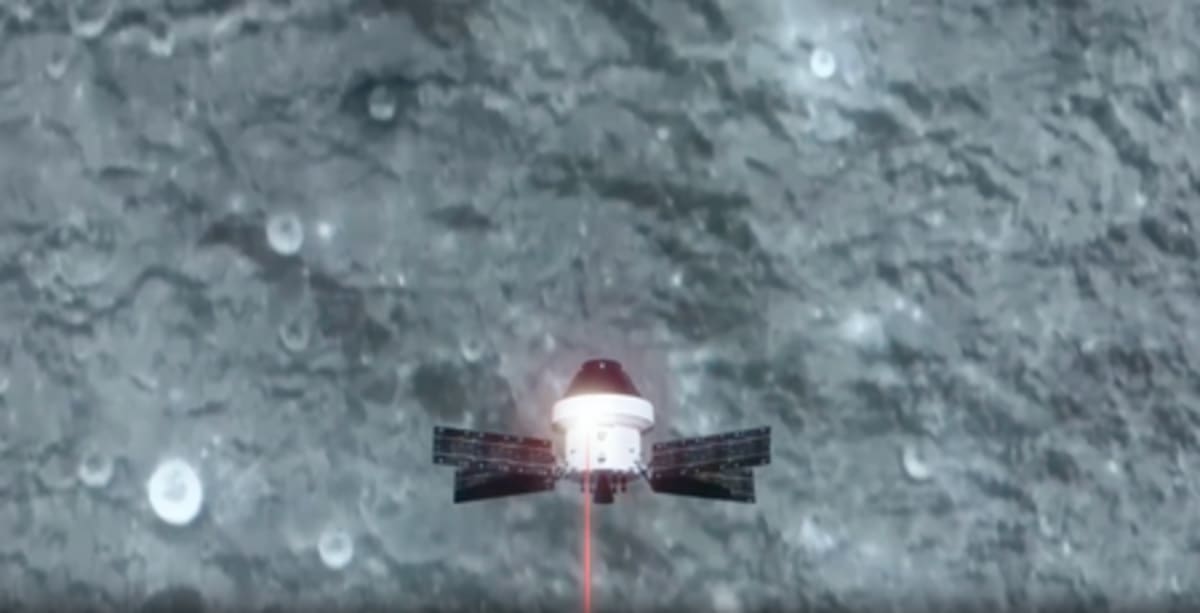
NASA's Artemis II crew of four astronauts successfully completed their lunar flyby on Monday, soaring 4,067 miles above the moon's surface. Reid Wiseman, Victor Glover, Christina Koch, and Canadian Space Agency astronaut Jeremy Hansen became the farthest humans from Earth in history, surpassing a record held since Apollo 13 in 1970.
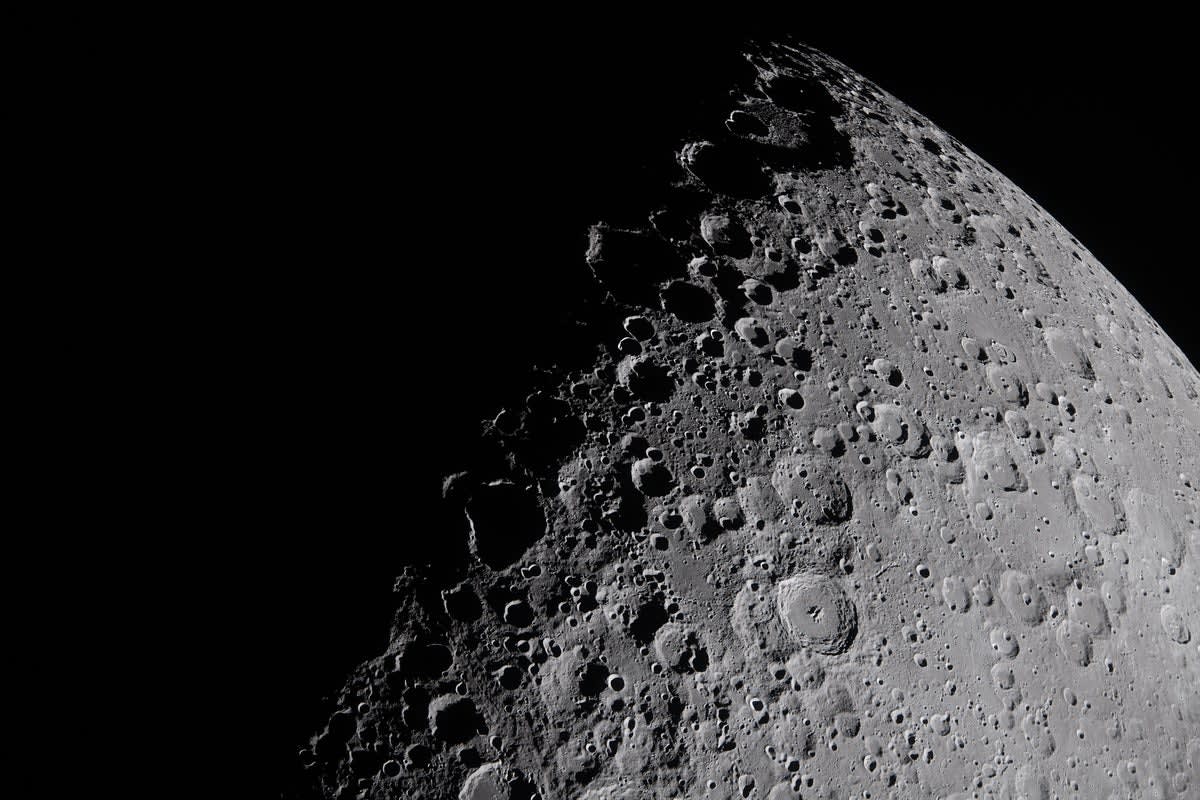
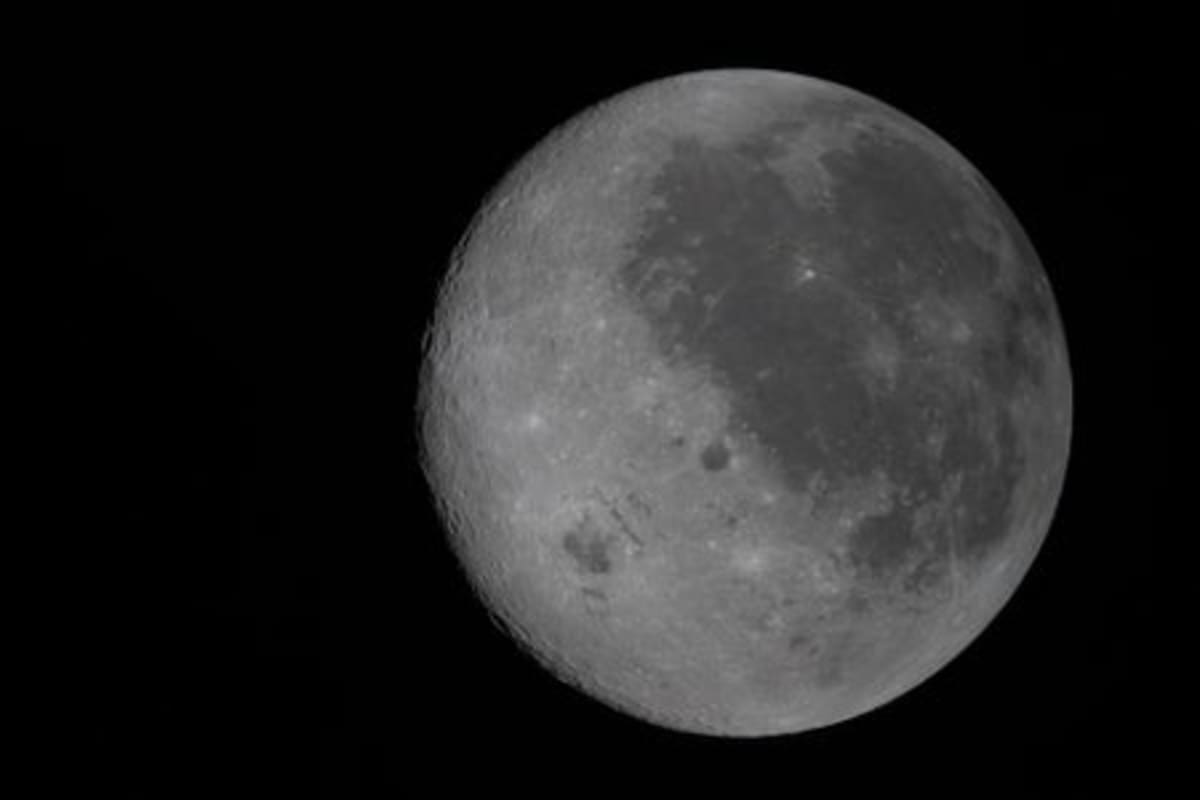
The crew spent several hours photographing and describing features of the moon's far side that no human had ever seen before. They compared bright craters to "a lampshade with tiny pinprick holes" and smooth lava flows to "paved roads" as they narrated their observations to mission control and viewers watching the livestream.
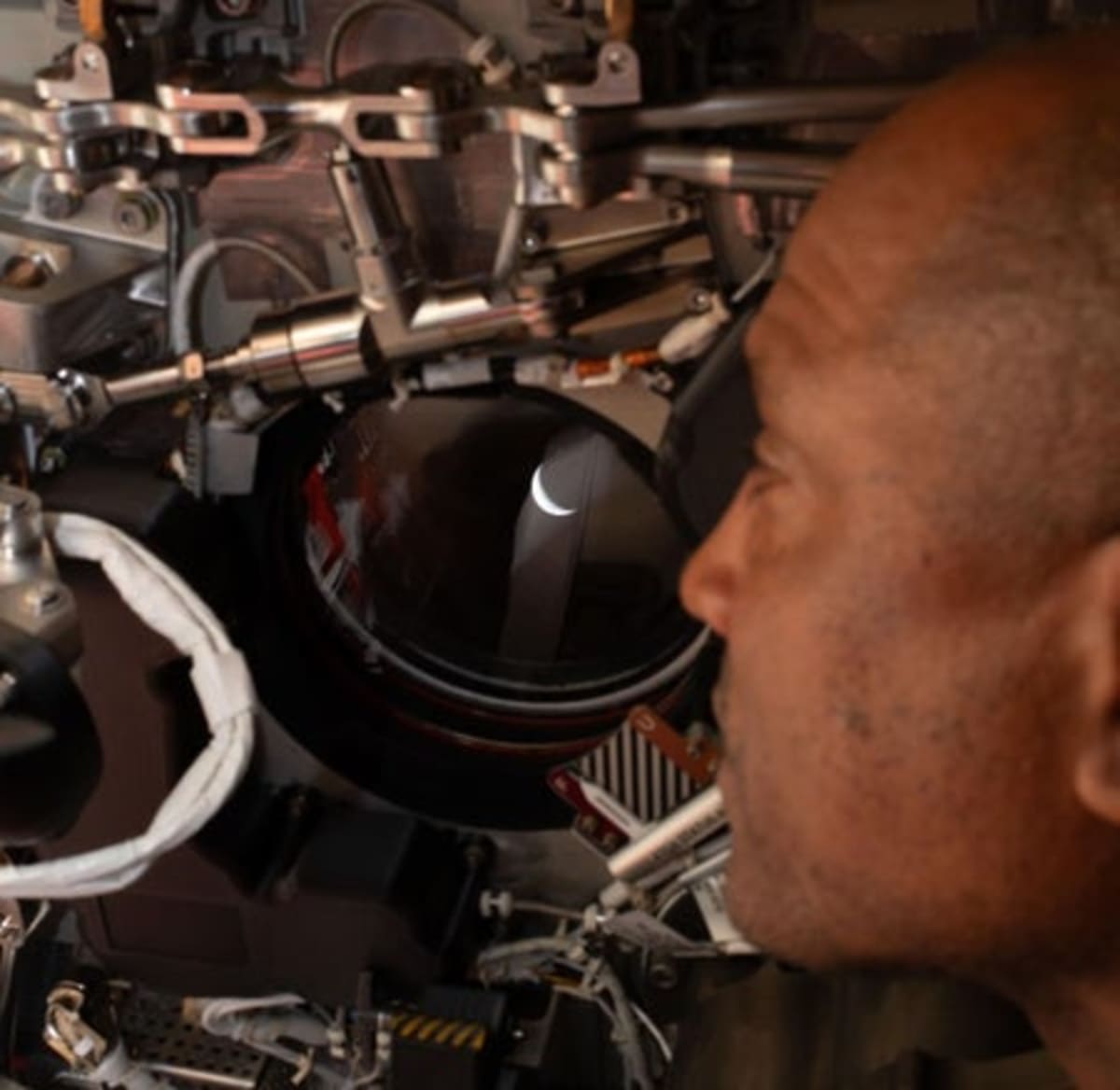
"I was walking around down there on the surface, climbing and off-roading on that amazing terrain," Glover said, describing the overwhelming experience of viewing the lunar landscape through a zoom lens.
The astronauts witnessed spectacles that haven't been seen by human eyes since 1972. They captured the first astronaut-witnessed "Earthrise" in over 50 years, showing our planet as a small teal crescent displaying parts of Africa, Asia, and Oceania.
During a total solar eclipse from their unique vantage point, the crew counted micrometeoroid impacts flashing on the lunar surface. They watched in awe as earthshine bathed the moon in a dim blue glow, reflected light from our planet's oceans, clouds, and continents creating an otherworldly scene.
"No matter how long we look at this, our brains are not processing this image in front of us," Wiseman told mission control. "It is absolutely spectacular, surreal."
The Ripple Effect
The mission represents more than stunning photographs and broken records. As Hansen noted when they passed the distance milestone, this achievement challenges current and future generations to push even farther into space.
The crew's years of intensive training paid off as they identified known lunar features and documented new ones, providing valuable data for future missions. Their successful navigation and observations prove that humanity has retained and expanded the capabilities that took us to the moon decades ago.
The Artemis program aims to establish a sustainable human presence on and around the moon, paving the way for eventual Mars exploration. This successful flyby demonstrates that the dream of routine deep space travel is becoming reality.
After their 40-minute communications blackout behind the moon, the astronauts emerged safely back into contact with Earth, their mission accomplished and their place in history secured.
The crew is now heading home with memories and images that will inspire the next generation of explorers to reach even farther into the cosmos.
More Images
Based on reporting by Scientific American
This story was written by BrightWire based on verified news reports.
Spread the positivity!
Share this good news with someone who needs it