Artemis II Astronauts See 57-Minute Total Solar Eclipse
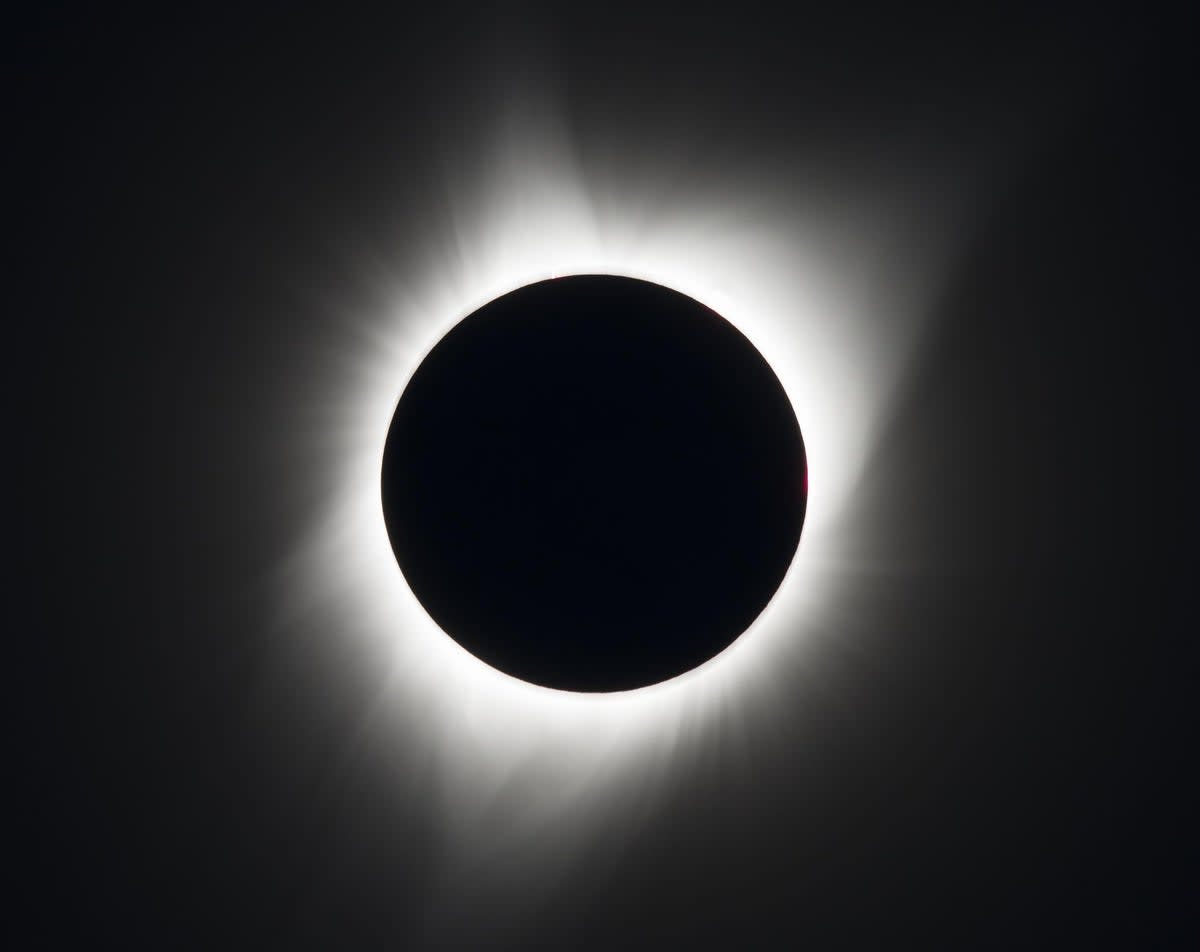
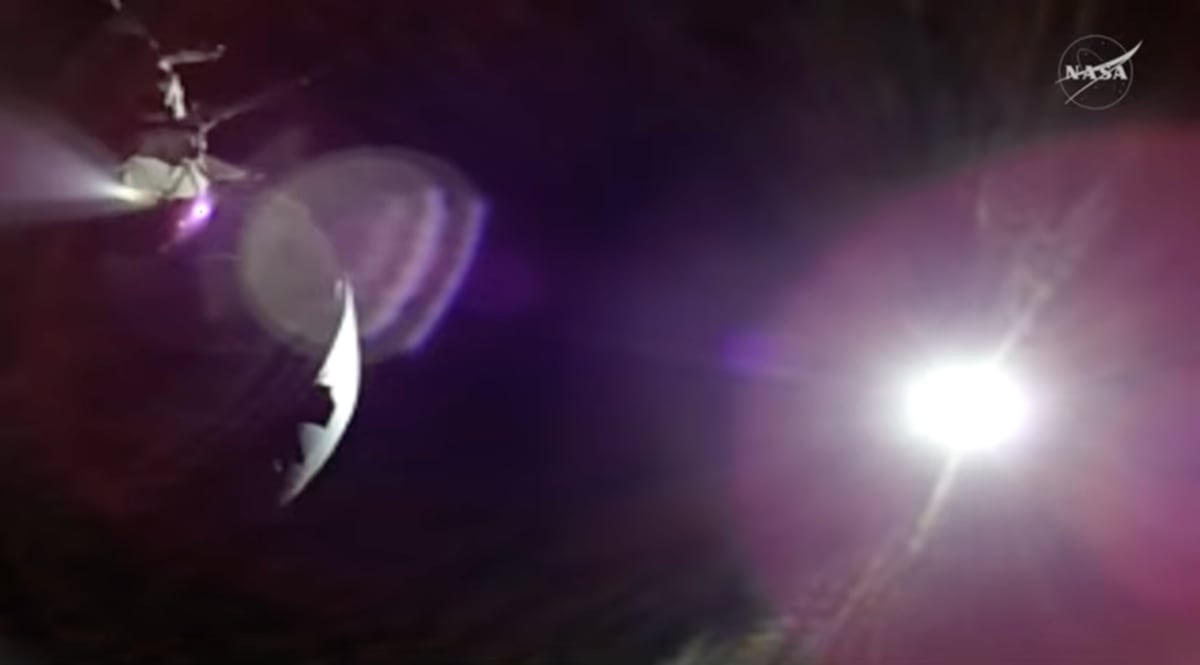
Four astronauts witnessed something no human has ever experienced: a total solar eclipse from just above the moon that lasted nearly an hour. The Artemis II crew captured the spectacular view during NASA's first crewed lunar mission in over 50 years.
Four astronauts just witnessed a cosmic spectacle that no human eyes have ever seen before. During NASA's Artemis II mission around the moon, the crew experienced a total solar eclipse that lasted an incredible 57 minutes.
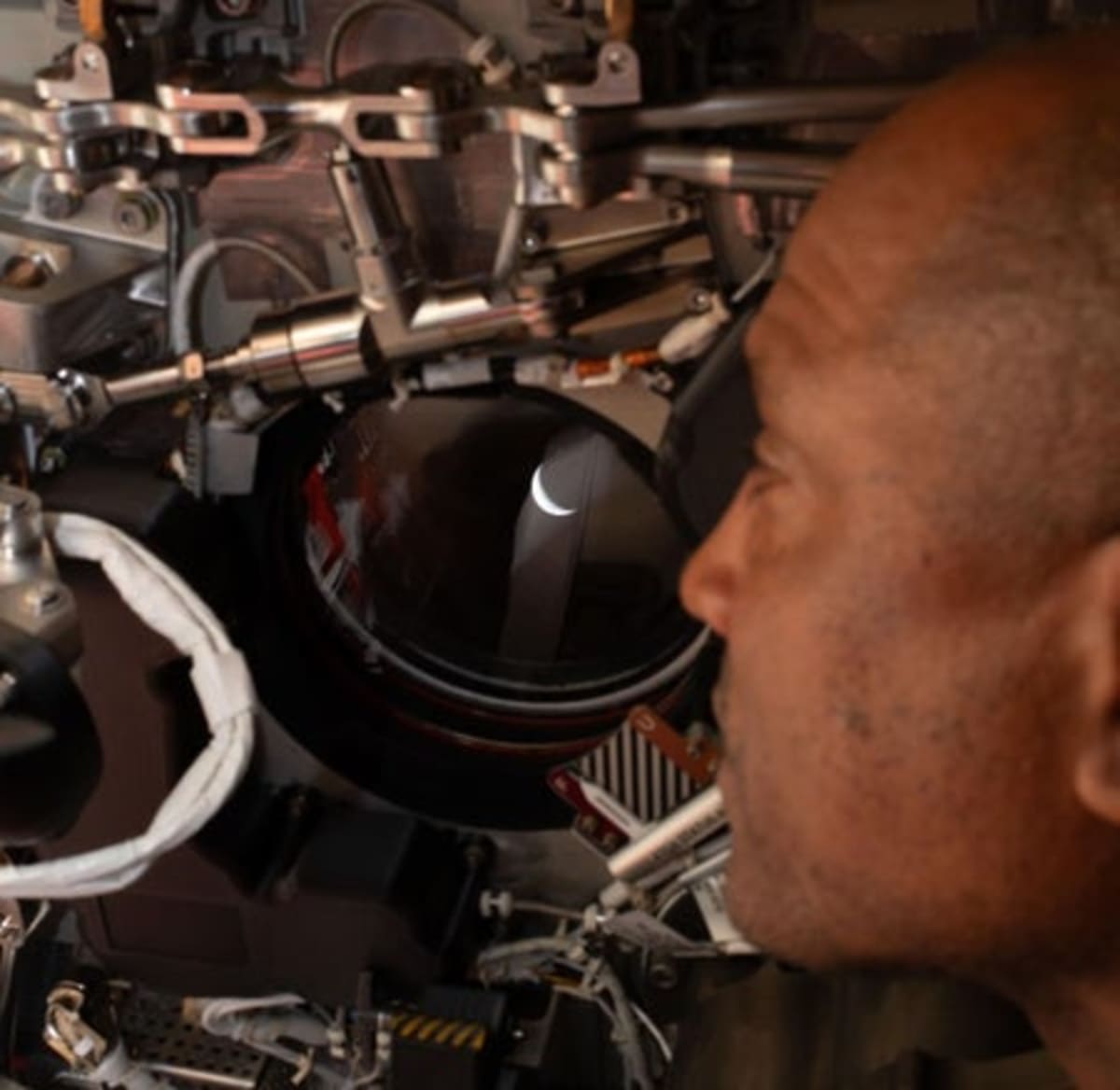
NASA astronauts Reid Wiseman, Victor Glover, Christina Koch, and Canadian Space Agency astronaut Jeremy Hansen watched from their Orion spacecraft as the moon blocked the sun completely. The event unfolded on April 6, 2026, as part of humanity's return to lunar exploration after more than five decades.
"Humans probably have not evolved to see what we're seeing," Glover told Mission Control, his voice filled with wonder. "It is truly hard to describe. It is amazing."
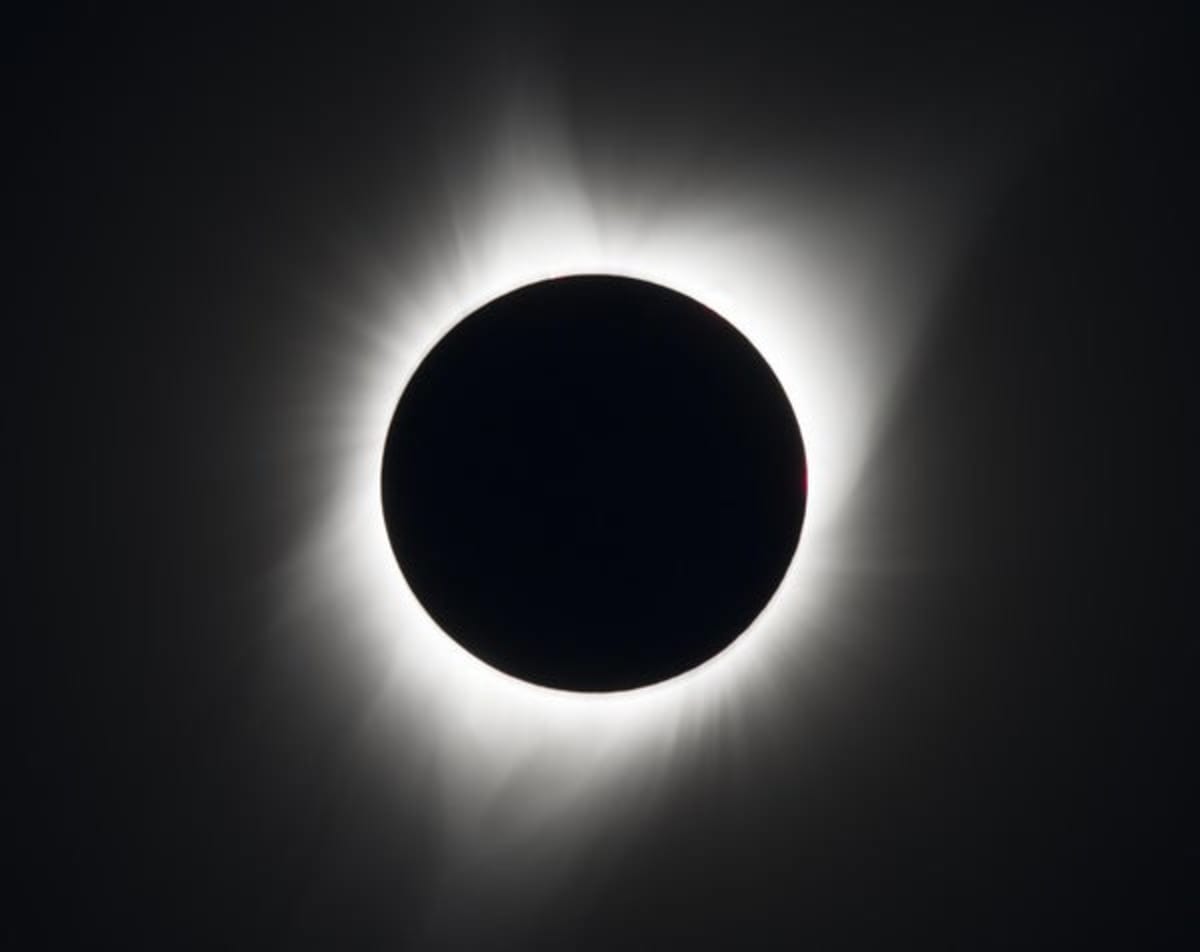
The eclipse looked nothing like what we experience on Earth. While people on our planet see totality for just a few minutes, the Artemis II crew enjoyed nearly an hour of the sun completely hidden behind the moon. Glover described the moon as "a black orb" illuminated by Earthshine, the light from our planet reflecting off the lunar surface.
The lengthy event began as the dramatic finish to six hours of scientific observations. From 8:35 PM to 9:32 PM EDT, the astronauts had a front-row seat to one of the universe's most stunning shows.
Wiseman struggled to find words adequate for the moment. "It's just indescribable," he said. "No matter how long we look at this, our brains are not processing this image in front of us. It is absolutely spectacular, surreal."
The Ripple Effect
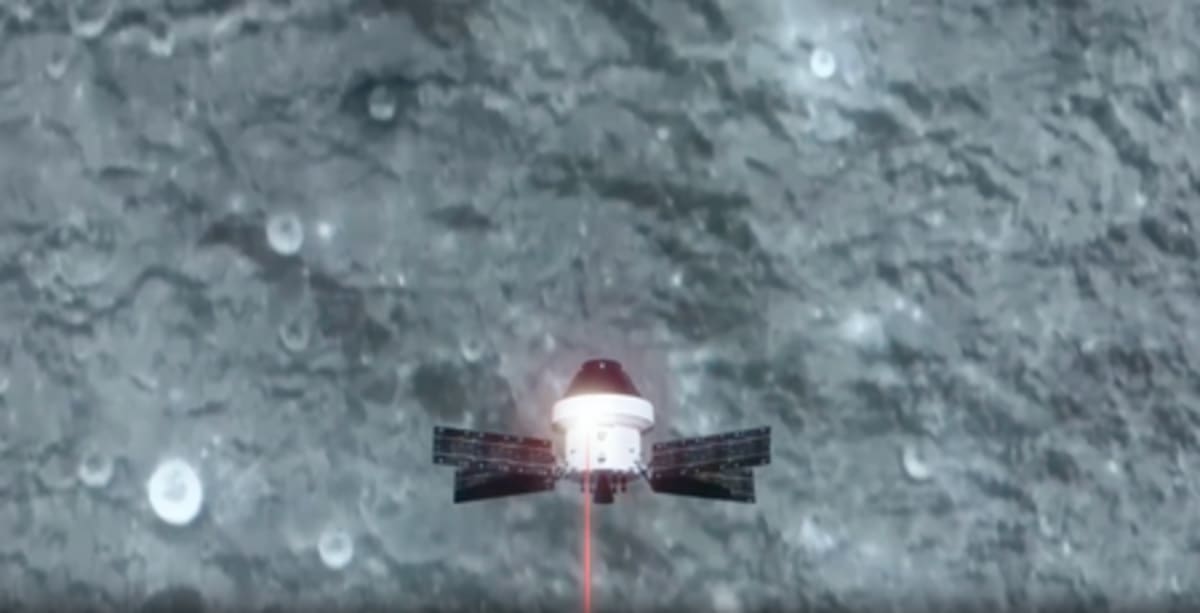
This historic eclipse viewing served science as well as wonder. The crew searched for dust lifted off the moon's surface by electrostatic forces, a phenomenon that could help future lunar explorers prepare for the sharp, glassy particles that get everywhere and pose risks to both humans and equipment.
They also spotted at least five micrometeoroid impacts flashing on the lunar surface and observed Venus, Mars, Saturn, and Mercury from their unique vantage point. Each observation helps NASA understand what future astronauts living and working on the moon will encounter.
The mission marks humanity's return to deep space exploration, with the first crewed lunar flight since the Apollo era. Glover noted the perfect timing: "I know this observation won't be of any scientific value, but I'm really glad we launched on April first," referencing the launch date that made the eclipse possible.
Sometimes the universe arranges moments that remind us how far human courage and curiosity can take us.
More Images
Based on reporting by Scientific American
This story was written by BrightWire based on verified news reports.
Spread the positivity!
Share this good news with someone who needs it