Artemis II Captures Stunning Earthset Photo From Moon
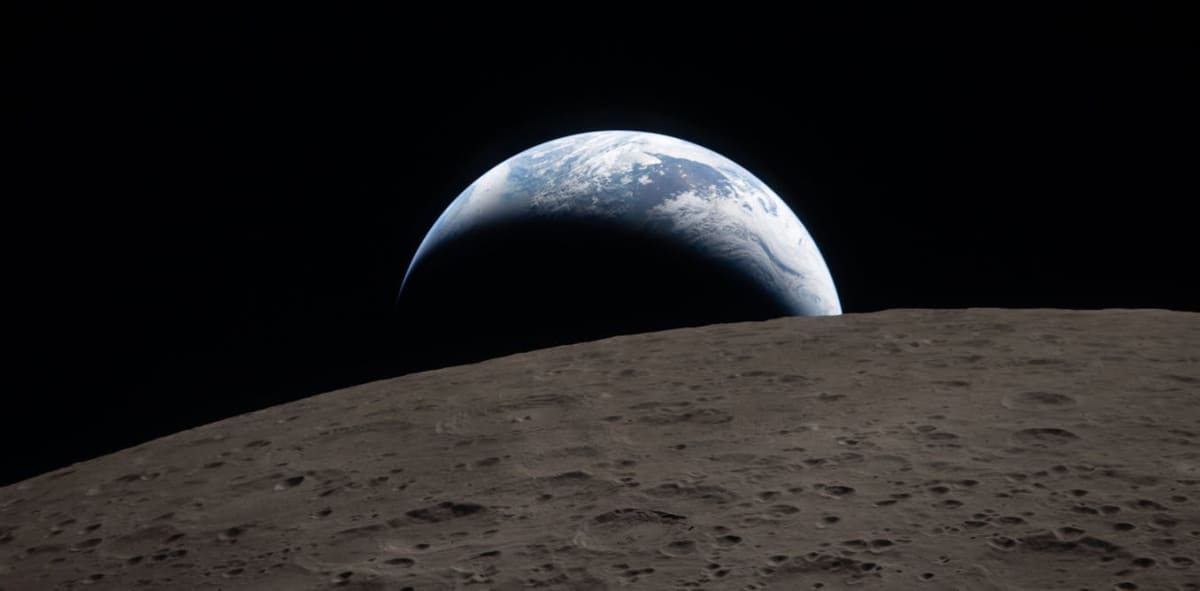
NASA's Artemis II astronauts sent back a breathtaking image of Earth setting behind the Moon, echoing the famous 1968 Earthrise photo that helped spark the environmental movement. The new photo shows how far space photography has come while reminding us why our planet is worth protecting.
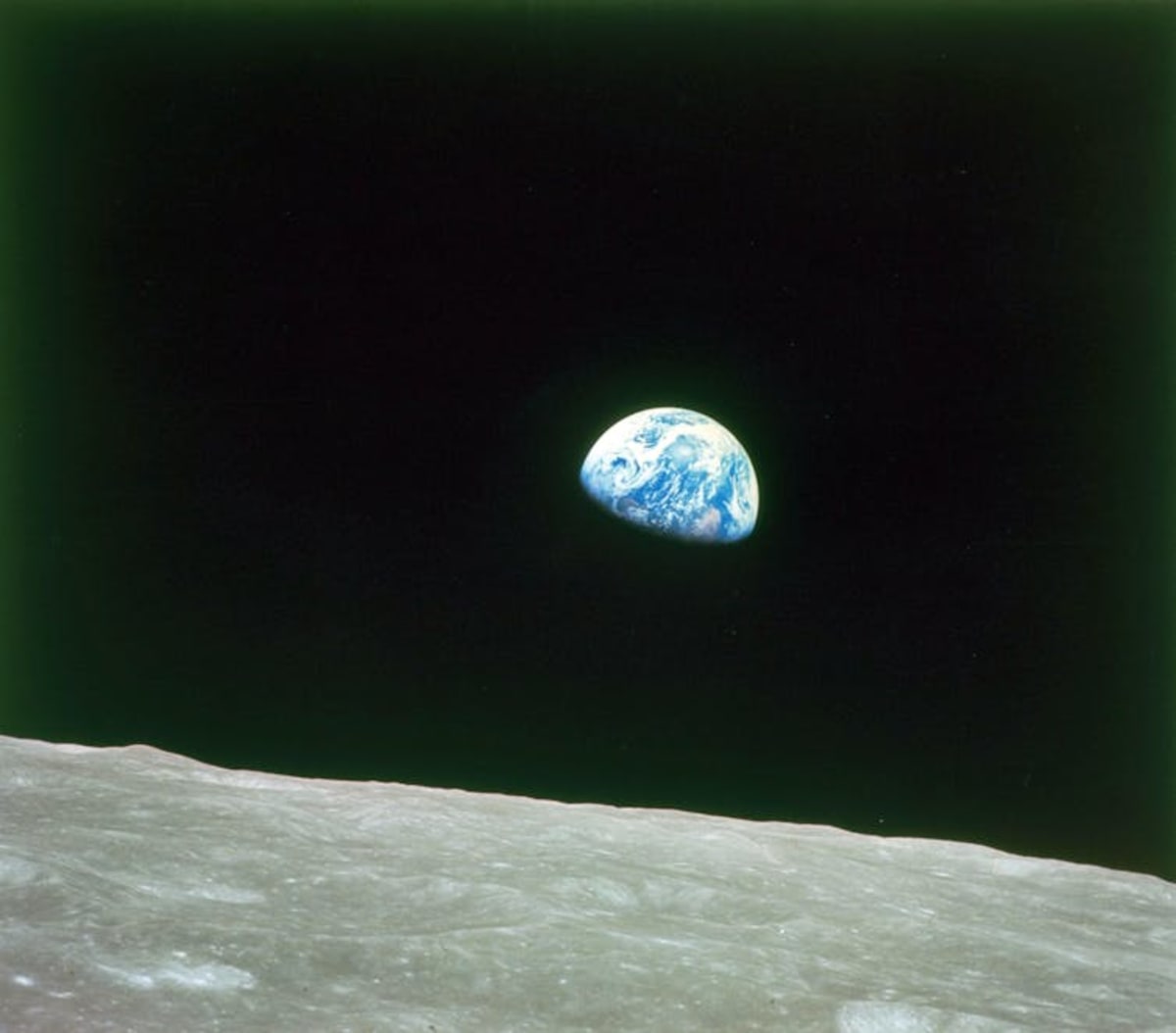
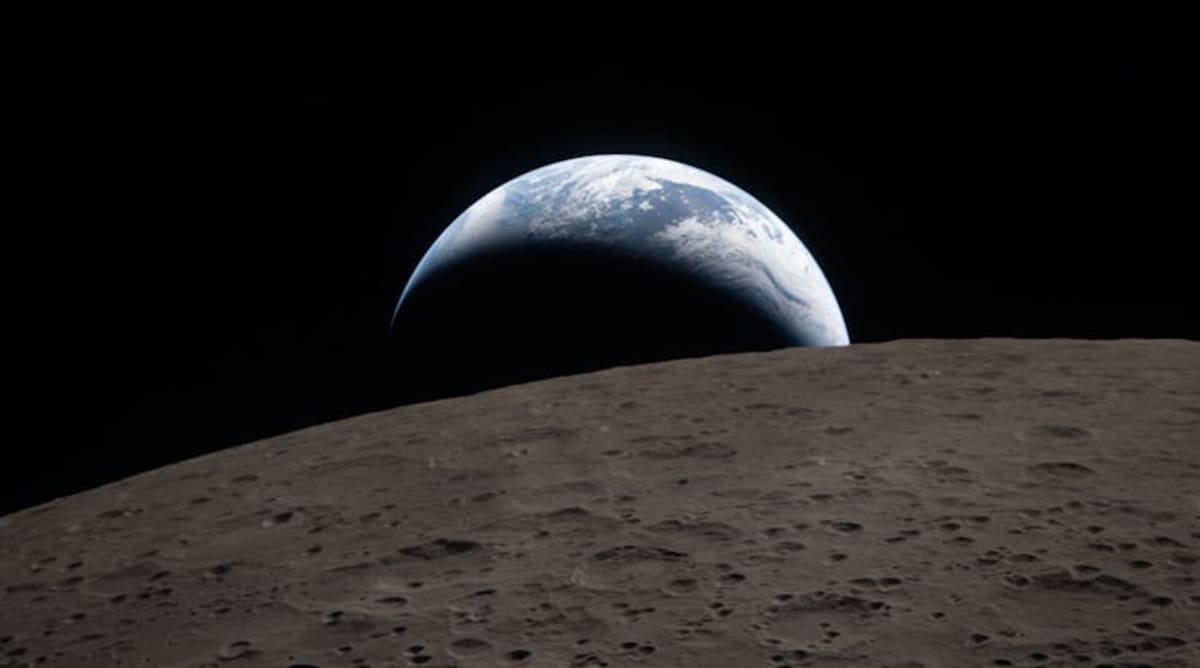
Fifty-eight years after Apollo 8 gave us Earthrise, NASA's Artemis II mission just delivered its modern counterpart: a stunning image of Earth setting behind the Moon.
The new photo, called Earthset, shows our colorful planet dipping behind the lunar horizon during the mission's April 6 flyby. It's a powerful echo of the 1968 Earthrise image that changed how humanity sees our home.
But the journey to capture these two photos couldn't be more different. Apollo 8 commander Frank Borman actually discouraged his crew from taking pictures out the window. Photography was considered a waste of film, and Earth images were the lowest priority on the mission.
Astronaut Bill Anders captured the original Earthrise almost by accident. On the fourth orbit around the Moon, he spotted unexpected color out the corner of his eye and exclaimed, "Oh my God! Look at that picture over there!" He grabbed a mechanical Hasselblad camera with no viewfinder and snapped the shot. The crew wouldn't even see their pictures until they returned to Earth and developed the film.
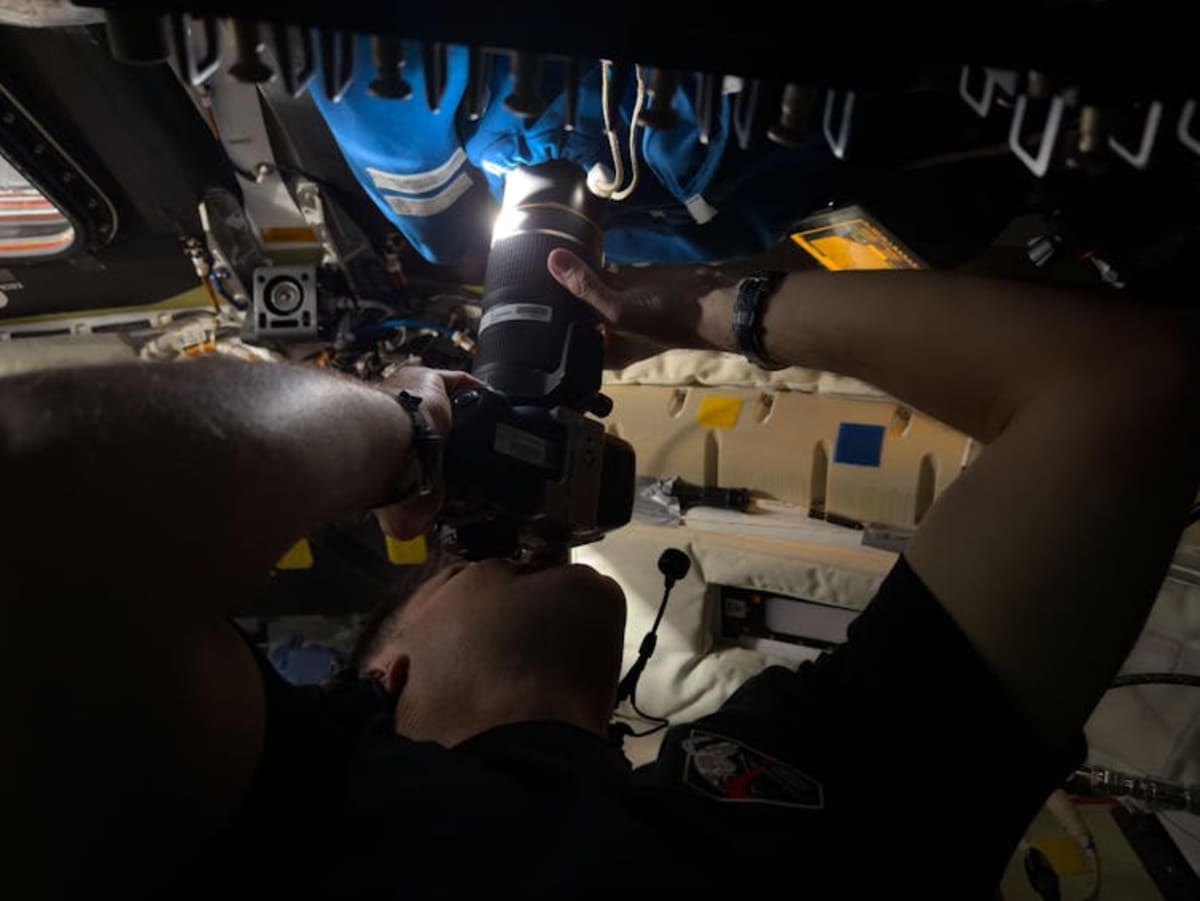
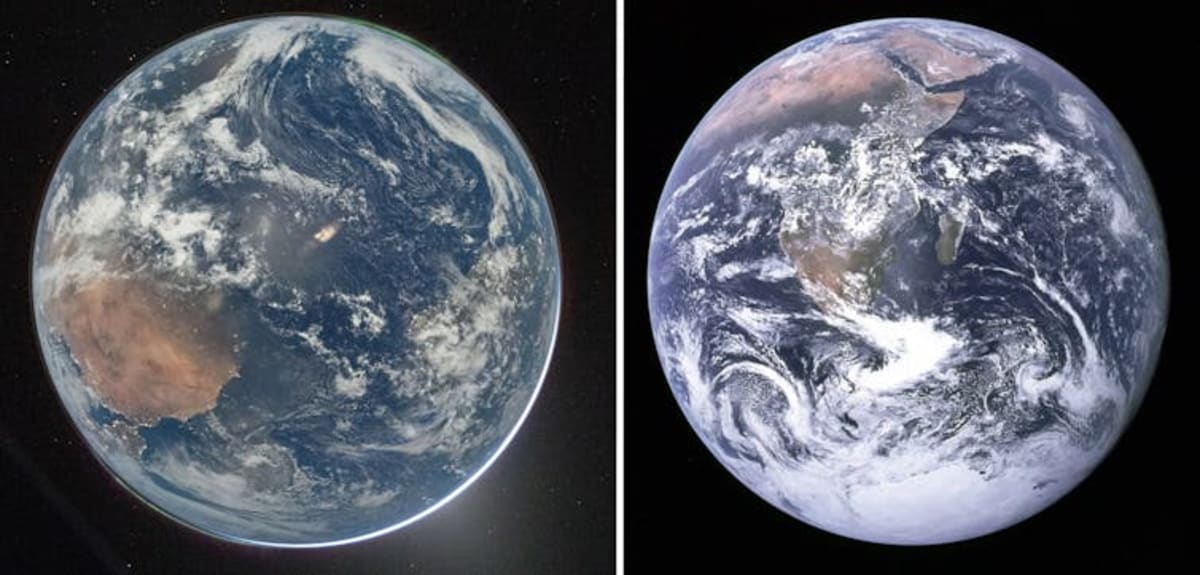
For Artemis II, photography was a top priority from launch day. Commander Reid Wiseman captured crystal-clear images on a tablet computer, including a stunning nighttime view of Earth enhanced to look like daylight, showing auroras glowing at the poles.
The technical differences tell their own story. Apollo 8 orbited just 70 miles above the Moon's surface ten times, giving the crew dramatic close-up views. Artemis II swept past 5,000 miles away in a leisurely slingshot maneuver, creating a different perspective with both Earth and Moon visible as distant spheres.
The Ripple Effect
The original Earthrise photo caused a sensation when released in 1968. It revealed our planet as a bright blue oasis against the barren Moon and black space, helping inspire the burgeoning environmental movement and changing how we think about our place in the universe.
The image even inspired a young David Bowie in London, who shortly after wrote "Space Oddity" about a stranded astronaut gazing at an Earth he can never return home to. Space enthusiasts had expected Earth to look insignificant from the Moon, but instead it looked even more like home.
NASA anticipated the modern counterpart would be different. Earthset shows a partially sunlit crescent Earth against a fuller Moon, creating twin planets separated by clear black space. The agency chose to showcase this angle because it feels more like the familiar 1968 image.
Both photos remind us that our planet, seen from the loneliness of space, is precious and irreplaceable.
More Images
Based on reporting by Google News - Science
This story was written by BrightWire based on verified news reports.
Spread the positivity!
Share this good news with someone who needs it