Artemis II Crew Captures Stunning 'Earthset' From Moon
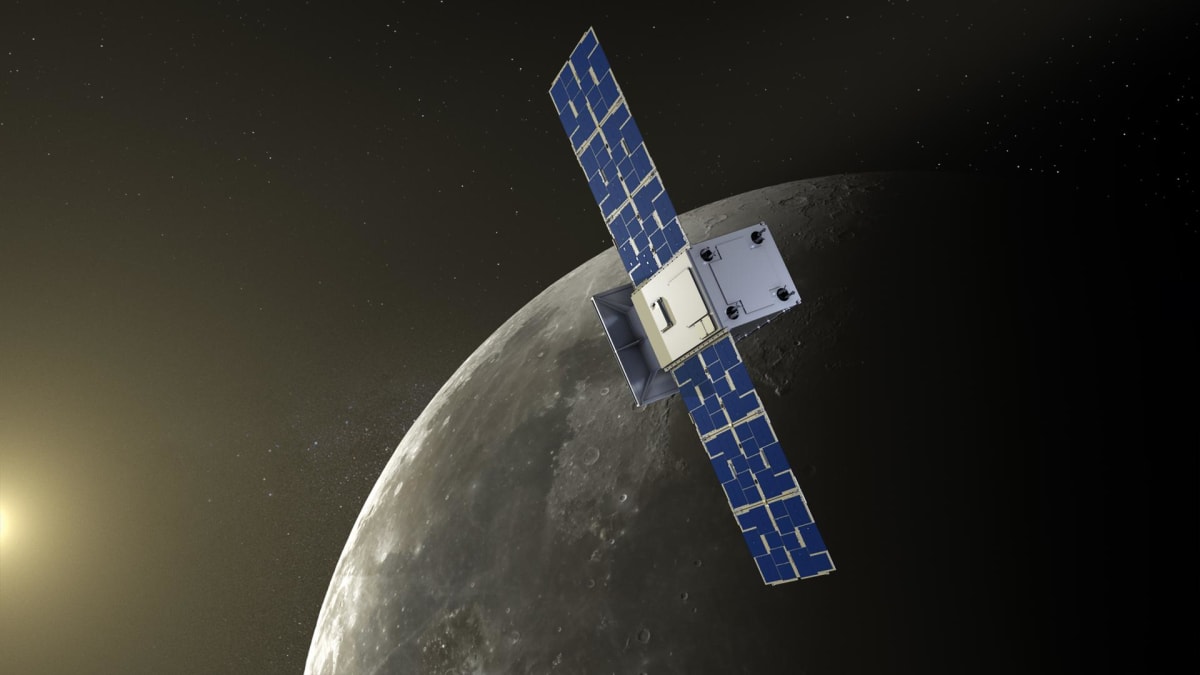
For the first time in over 50 years, astronauts orbiting the moon snapped a breathtaking photo of Earth dipping below the lunar horizon. The historic Artemis II mission is bringing four astronauts closer to the moon than any humans have traveled before.
Four astronauts just witnessed a view that only two dozen people in history have ever seen, and they brought back photos that prove humanity's greatest adventures are still ahead of us.
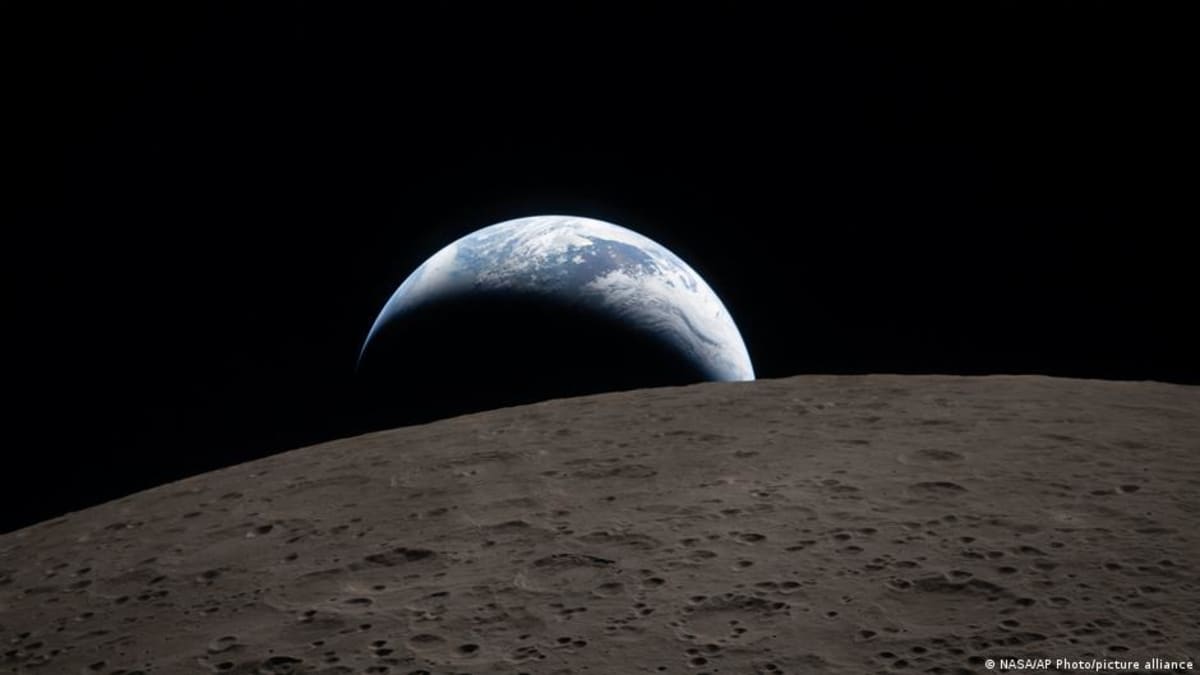
The Artemis II crew captured a stunning "Earthset" on Tuesday, mirroring an iconic image taken by Apollo 8 astronauts 58 years ago. From their Orion capsule, they watched our blue planet sink below the moon's gray horizon, a sight that left them speechless.
"You look amazing. You look beautiful," NASA astronaut Victor Glover said as he gazed at Earth from space. His crewmate Christina Koch called the view of the moon through their docking hatch "a beautiful sight."
The mission broke records on Monday when the spacecraft reached 252,756 miles from Earth, surpassing Apollo 13's 1970 record by more than 4,000 miles. Commander Reid Wiseman, 50, leads the historic crew alongside Koch, 47, Glover, 49, and Canadian astronaut Jeremy Hansen, 50.
Together, they're making history in multiple ways. Koch is the first woman to fly around the moon, Glover is the first Black person, and Hansen is the first non-American to make the journey.
The crew experienced moments most humans will never know. They witnessed a total solar eclipse from space, wearing protective glasses as the moon blocked the sun from their perspective. They sipped coffee and smoothies while floating 300,000 kilometers from home.
"Humans probably have not evolved to see what we're seeing," Glover said. "It is truly hard to describe. It is amazing."
Why This Inspires
This mission represents more than a nostalgic return to the moon. The Orion capsule carries computers 20,000 times faster than the original Apollo spacecraft, with 128,000 times more memory. Thursday and Friday brought crucial experiments, including tests on protecting crews from solar flares, knowledge that will safeguard future astronauts.
The diversity of this crew sends a powerful message about who belongs in space exploration. When Koch, Glover, and Hansen look out their window, children around the world can finally see themselves in that reflection.
Their 10-day journey paves the way for a potential 2026 moon landing, part of NASA's broader Artemis program to establish a lasting human presence beyond Earth.
The crew is scheduled to splash down in the Pacific Ocean off California's coast on Friday, bringing home not just data and photos, but proof that humanity's sense of wonder remains alive and well.
More Images


Based on reporting by DW News
This story was written by BrightWire based on verified news reports.
Spread the positivity!
Share this good news with someone who needs it