Artemis II Crew Carries Mini-Organs Into Deep Space
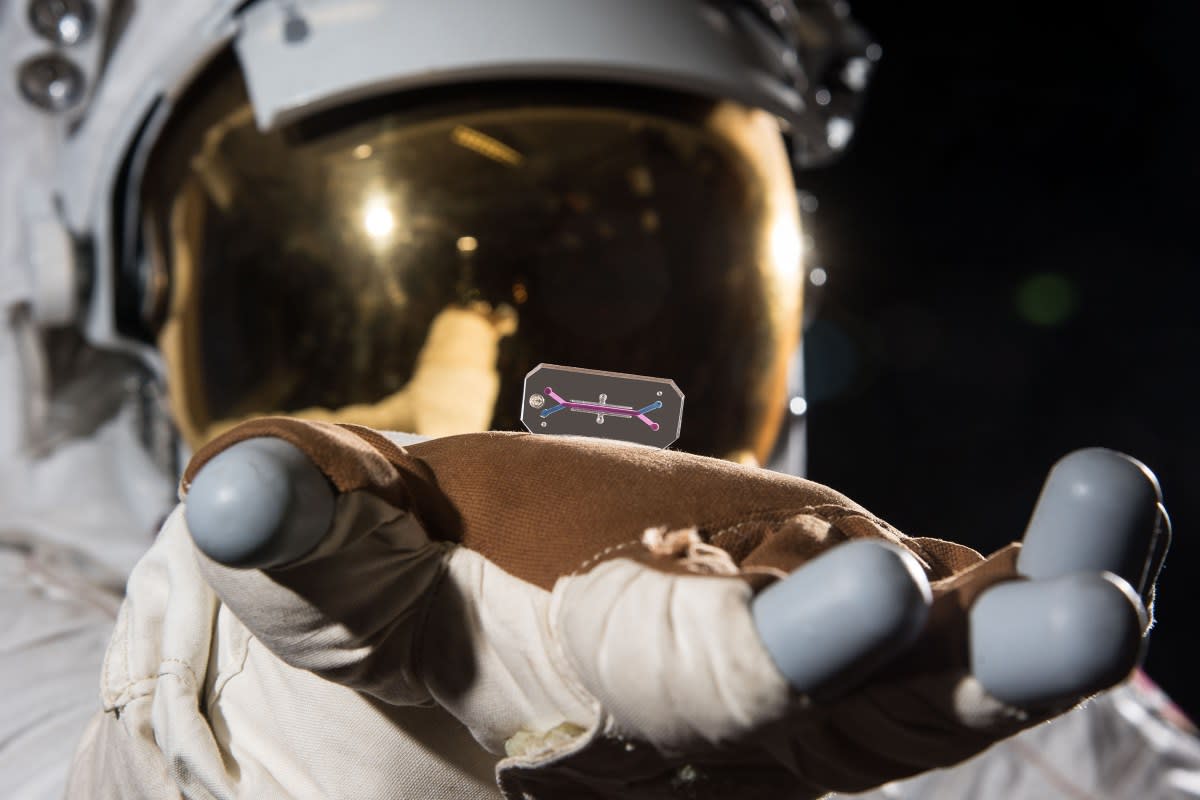
Four astronauts heading around the Moon are bringing along tiny living organs grown from their own bone marrow. These USB-sized tissue samples could unlock crucial insights into how deep space radiation affects the human body.
NASA's Artemis II crew is packing something extraordinary for their historic journey: miniature organs grown from their own cells.
Astronauts Reid Wiseman, Victor Glover, Christina Koch, and Jeremy Hansen will carry these organ chips on their 10-day mission around the Moon. They'll travel farther from Earth than any humans before them, and their unusual cargo is coming along for the ride.
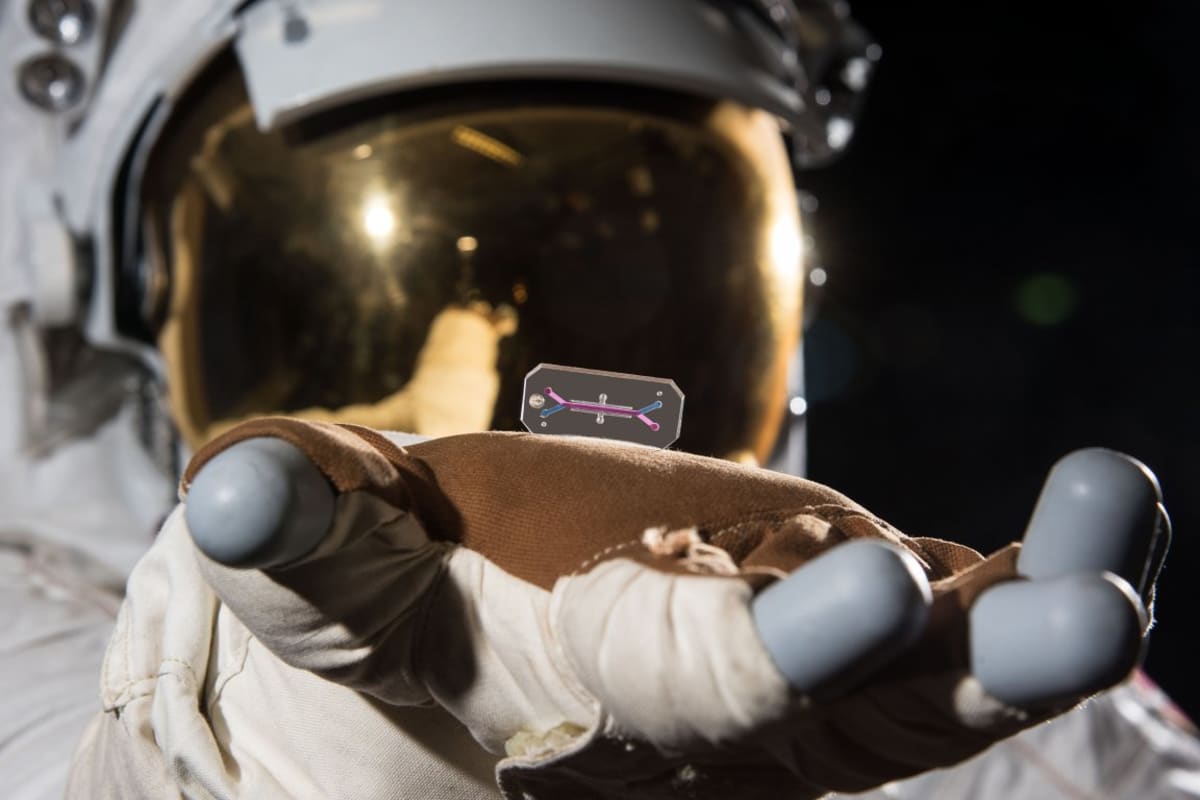
The chips are fully functional mini-organs made from each astronaut's bone marrow cells, about the size of a USB stick. While scientists have created these tiny organs since 2013, this marks the first time they've matched them directly to astronauts on a space mission.
The reasoning behind this experiment is simple but powerful. Beyond Earth's protective atmosphere, the crew will face intense solar and cosmic radiation. By comparing how the organ chips react versus their human counterparts, scientists can learn exactly what happens to human tissue in deep space.
Researchers chose bone marrow because it's especially vulnerable to radiation. "This maximizes the chance that we'll see biologic differences, as opposed to modeling the skin or something else," explained David Chou, the experiment's principal investigator.
NASA also sent duplicate organ chips to the International Space Station. This allows scientists to compare deep space radiation effects with low Earth orbit conditions over the same time period.
The Ripple Effect
This small cargo could create massive breakthroughs for future space exploration. The data will help NASA understand how different people might respond to long-duration missions without putting more humans at risk.
The approach is remarkably cost-effective too. "You can make hundreds of these and send them up," Chou noted. Instead of exposing many astronauts to deep space conditions, scientists can test tissue samples representing diverse populations.
These tiny organs could answer big questions about humanity's future beyond Earth. As we plan missions to Mars and beyond, knowing how our bodies truly react to deep space radiation becomes essential for keeping astronauts safe.
The Artemis II mission proves that sometimes the smallest passengers carry the biggest potential for discovery.
More Images
Based on reporting by Futurism
This story was written by BrightWire based on verified news reports.
Spread the positivity!
Share this good news with someone who needs it