Artemis II Crew Could See Rare Comet During Moon Mission
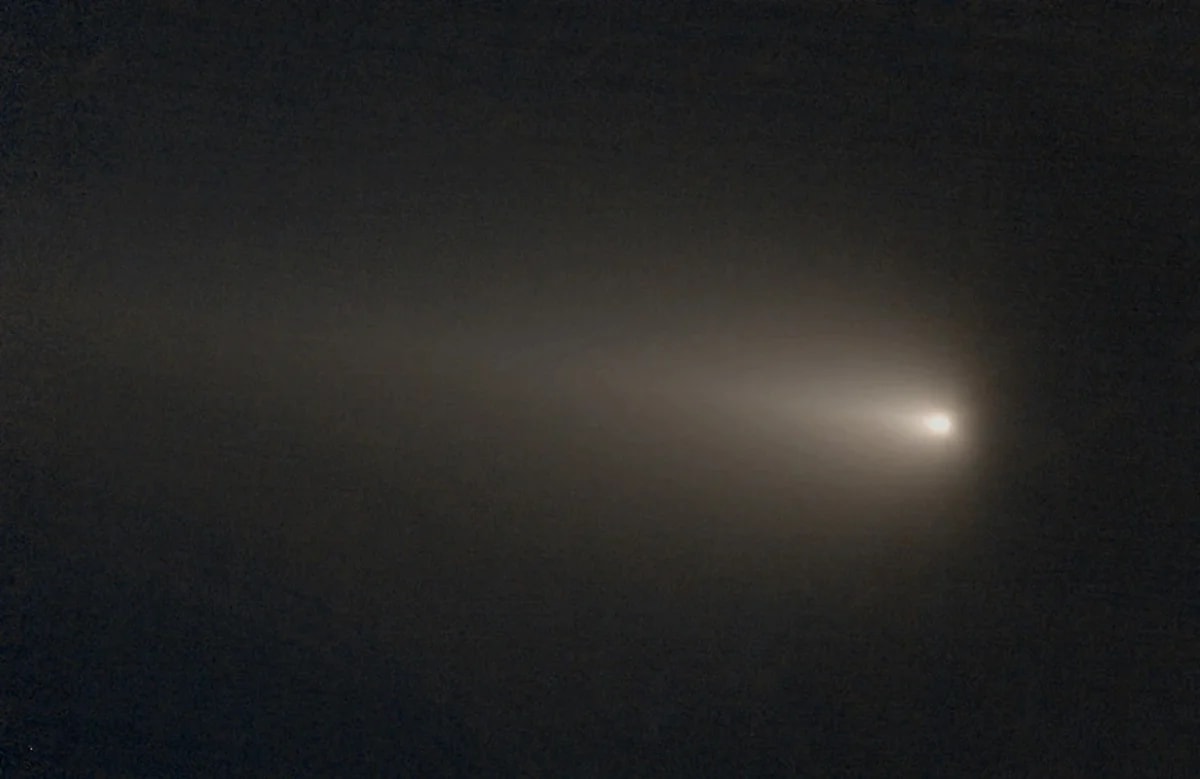
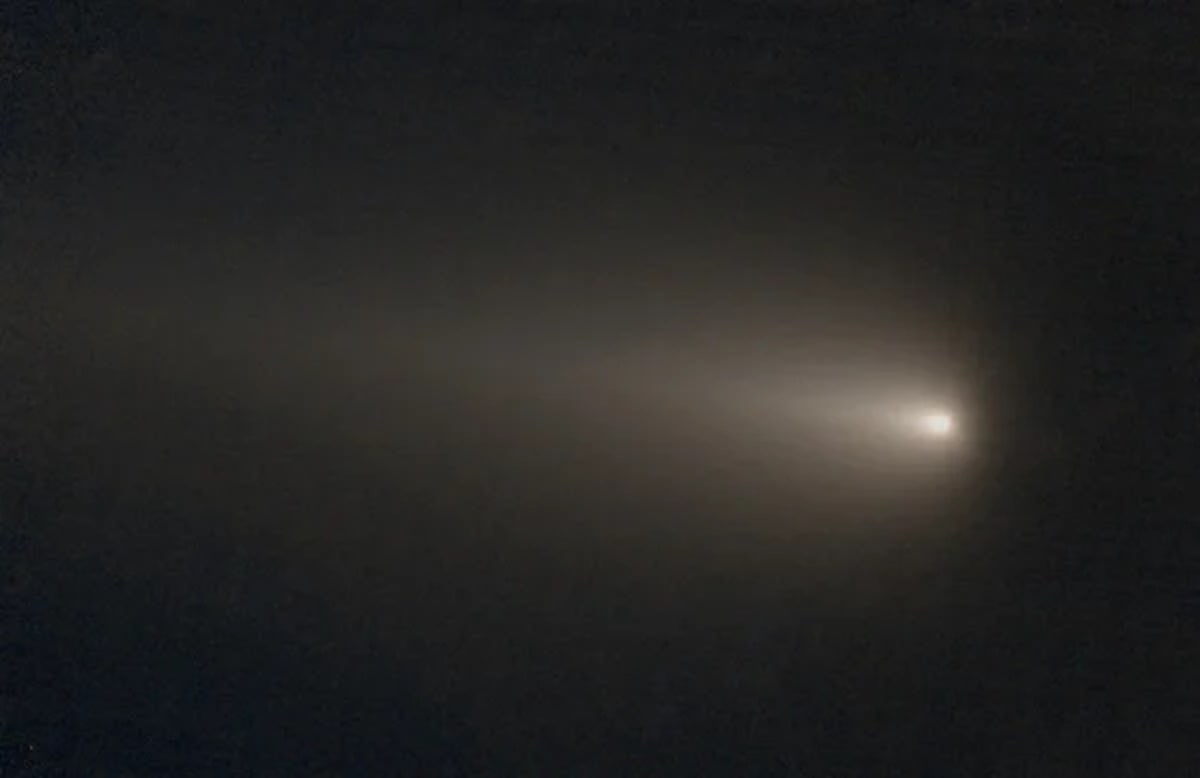
Four astronauts circling the moon this week might witness a stunning comet during their historic journey. If Comet MAPS survives its close encounter with the sun, it could create an unforgettable view from their spacecraft window.
Four astronauts are about to experience something no human has seen in over 50 years, and they might get an unexpected cosmic bonus along the way.
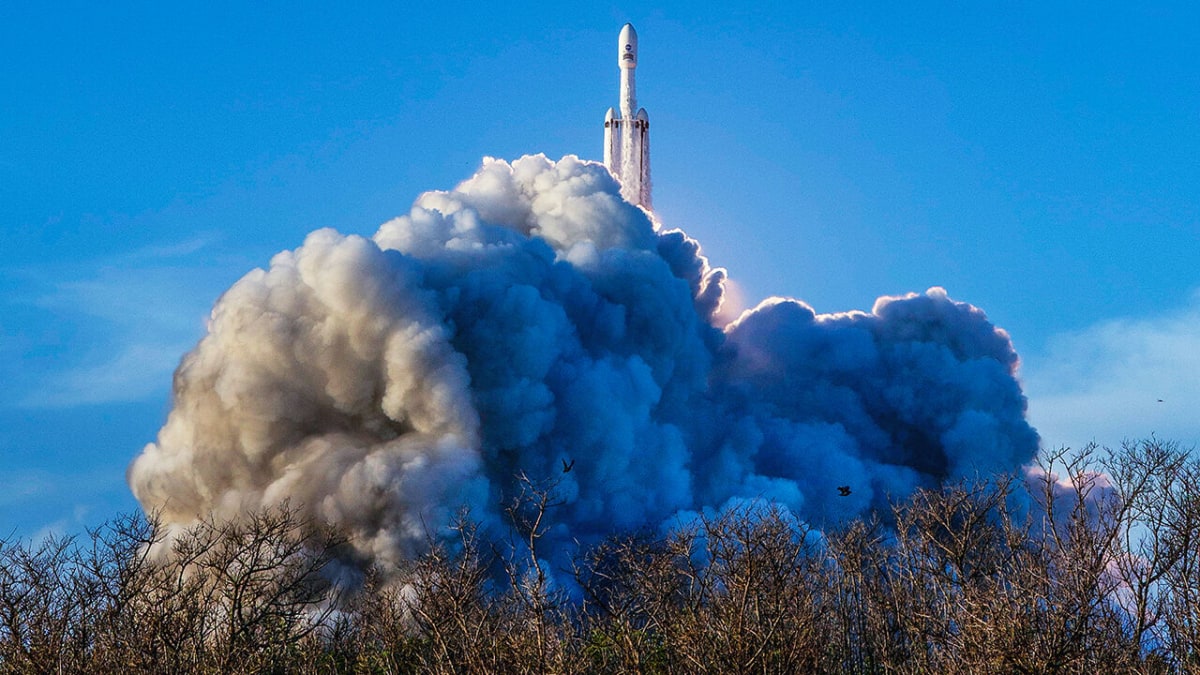
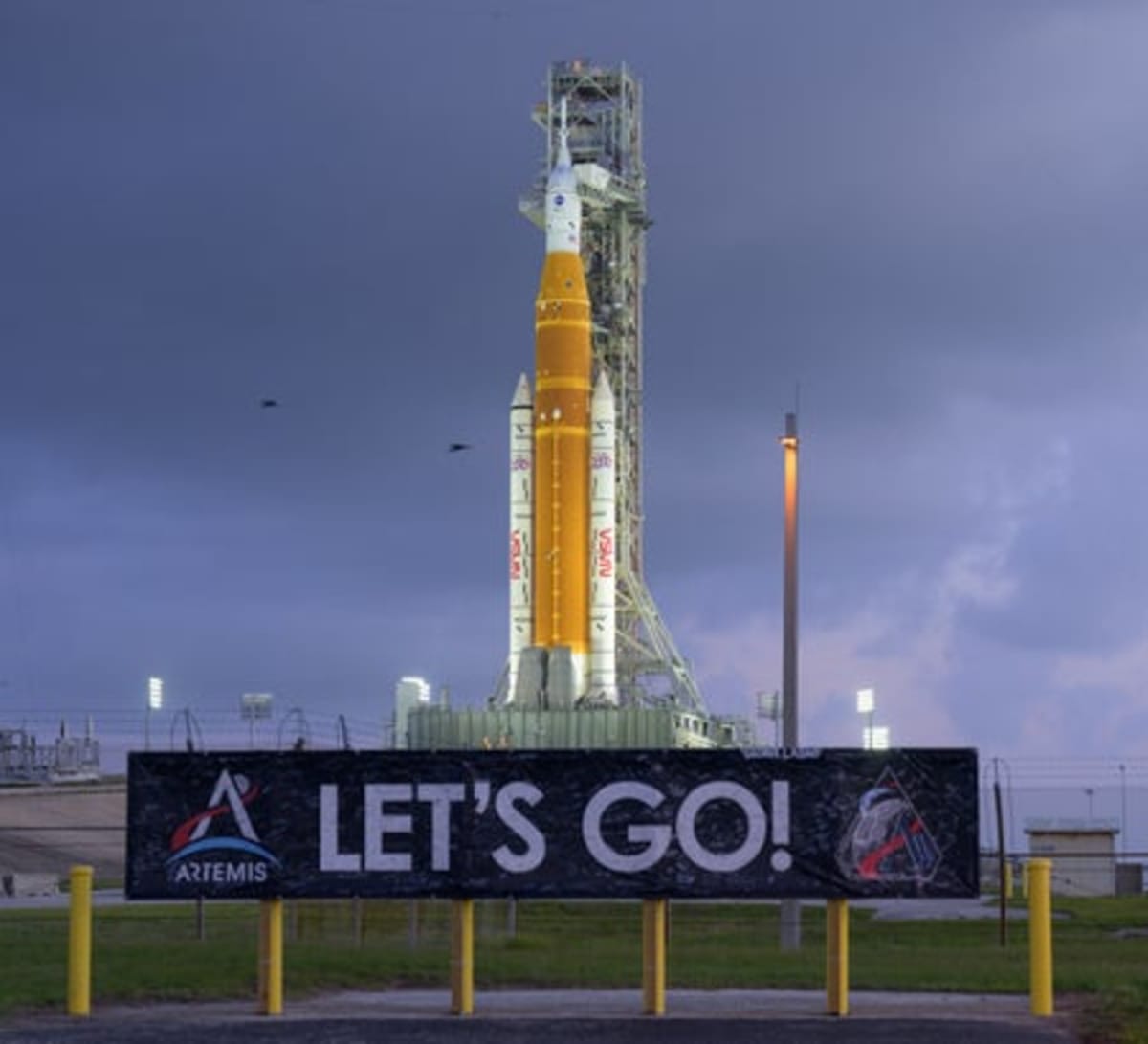
NASA's Artemis II crew launched this week for a historic trip around the moon. Reid Wiseman, Victor Glover, Christina Koch, and Canadian astronaut Jeremy Hansen will become the first people since the Apollo era to see the far side of the moon with their own eyes.
But the universe may have an extra gift waiting for them. A newly discovered comet called MAPS could put on a spectacular show during their Monday lunar flyby, if it can survive an extreme test first.
Amateur astronomers Alain Maury, Georges Attard, Daniel Parrott, and Florian Signoret discovered the comet in January using a telescope in Chile's Atacama Desert. Their combined initials gave the comet its memorable name.
This Saturday, Comet MAPS will zip within 101,100 miles of the sun. That's almost 40 times closer than any spacecraft has ever dared to go, even NASA's specially shielded Parker Solar Probe.
Most comets don't survive such intense heat. But MAPS has something working in its favor: size matters when you're dancing with the sun.
The James Webb Space Telescope recently measured the comet's icy core at roughly 1,300 feet across. That's big enough to potentially withstand the scorching temperatures, though scientists stress nothing is guaranteed.
Quanzhi Ye, a planetary astronomer at the University of Maryland and Boston University, says the comet is already showing signs of stress. It's ejecting more gas and dust than expected, which could cause it to break apart before reaching its closest point to the sun.
The Bright Side
If MAPS beats the odds and survives, Monday's timing couldn't be more perfect for the Artemis II crew. During their lunar flyby, the moon will sit directly between their Orion capsule and the sun, blocking the blinding light naturally.
This cosmic alignment means the astronauts could safely watch the comet's glow without special equipment. Karl Battams from the Naval Research Laboratory calls the next few days "the most hostile environment our solar system has to offer."
Right now, scientists can only wait and watch. The comet is too close to the sun for telescopes to track safely, so no one knows yet whether MAPS will make it through.
The crew's main mission remains groundbreaking regardless of any comets. They're paving the way for future lunar landings and proving that humans can safely travel deep into space again.
But the possibility of witnessing a rare sungrazing comet from lunar orbit adds an extra layer of wonder to an already historic journey.
Whether the comet survives or not, four astronauts are about to experience views that remind us why space exploration captures our imagination and inspires us to reach beyond our world.
More Images


Based on reporting by Scientific American
This story was written by BrightWire based on verified news reports.
Spread the positivity!
Share this good news with someone who needs it