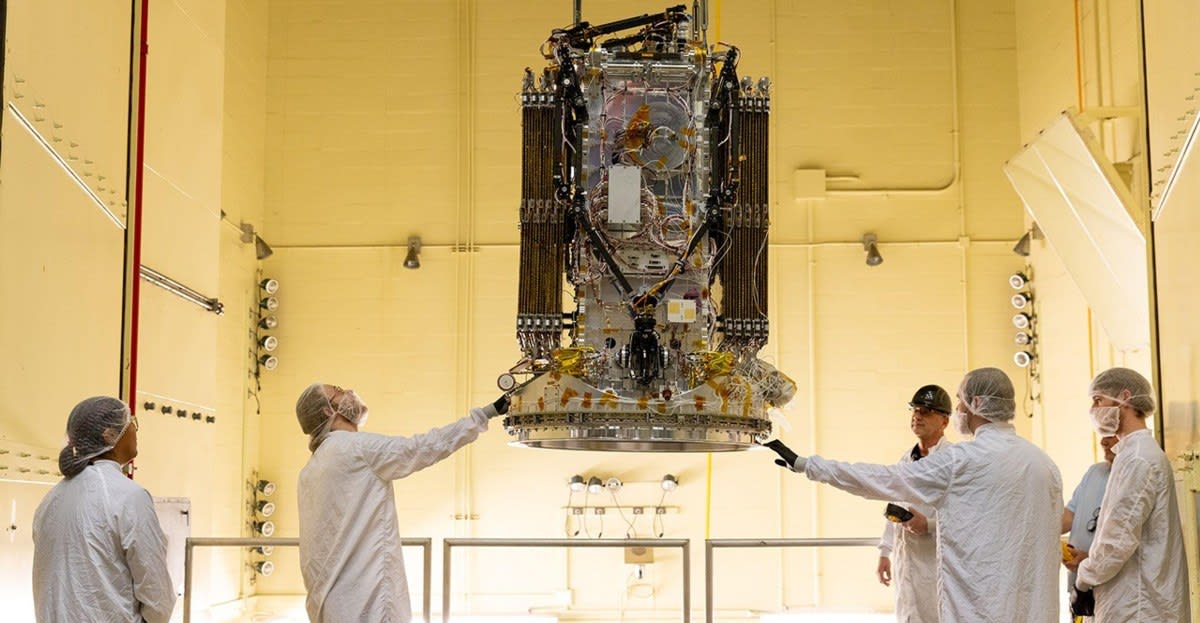
Artemis II Crew Describes 'Overwhelming' Wonder Flying Past Moon
Four astronauts just flew closer to the moon than anyone in over 50 years, capturing never-before-seen images and breaking distance records on humanity's return to deep space. Their emotional reactions remind us that even the most trained explorers can be moved to tears by the beauty of our universe.
NASA astronaut Christina Koch couldn't hold back her emotions as she gazed at the moon's surface from just 4,070 miles away. The first woman to fly around the moon described an overwhelming sense of awe that lasted only seconds but left her forever changed.
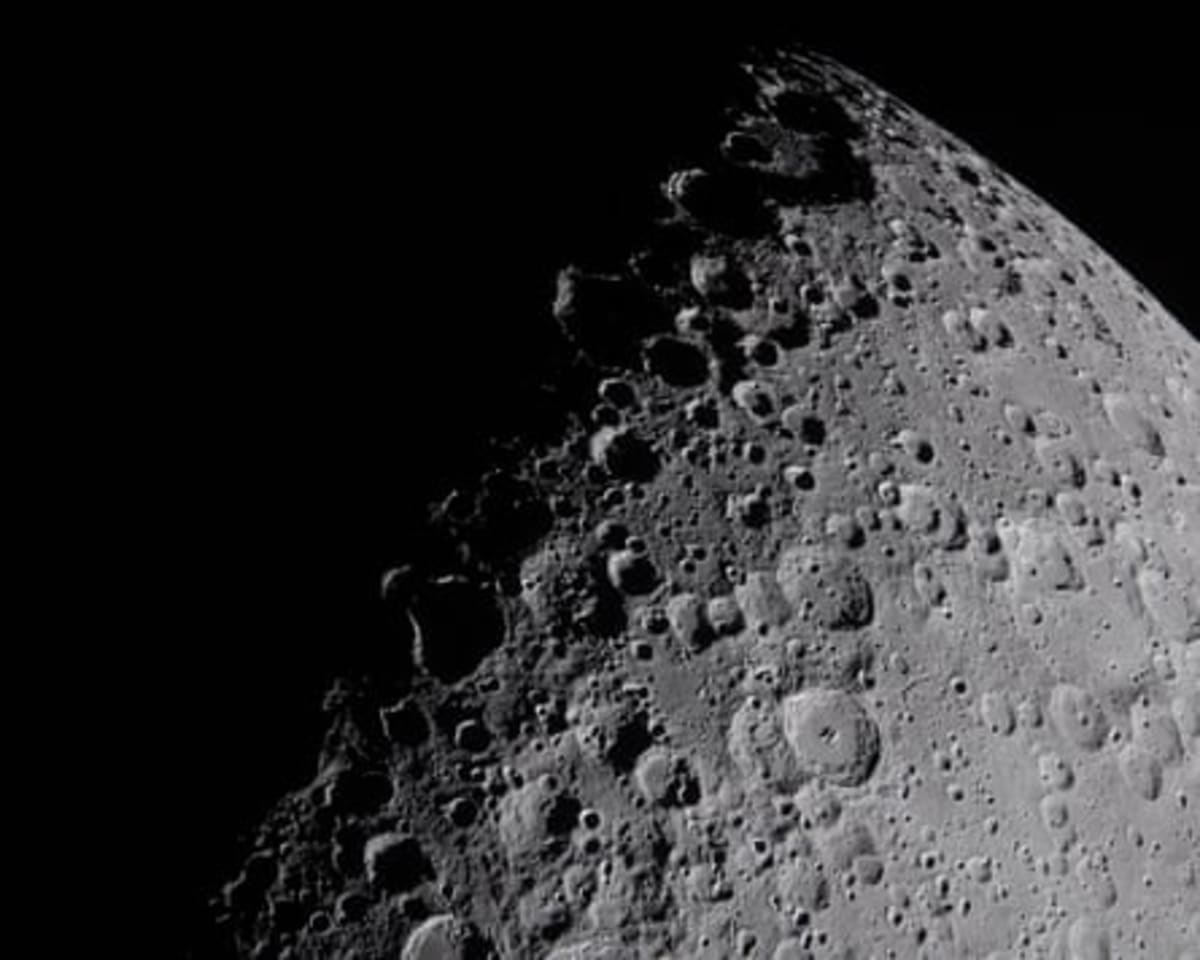
Koch and her three crewmates on Artemis II have just completed the closest human approach to the moon in more than 50 years. Working in pairs at the Orion capsule windows, they photographed impact craters, ancient ridges, and parts of the lunar surface no human has ever seen with the naked eye.
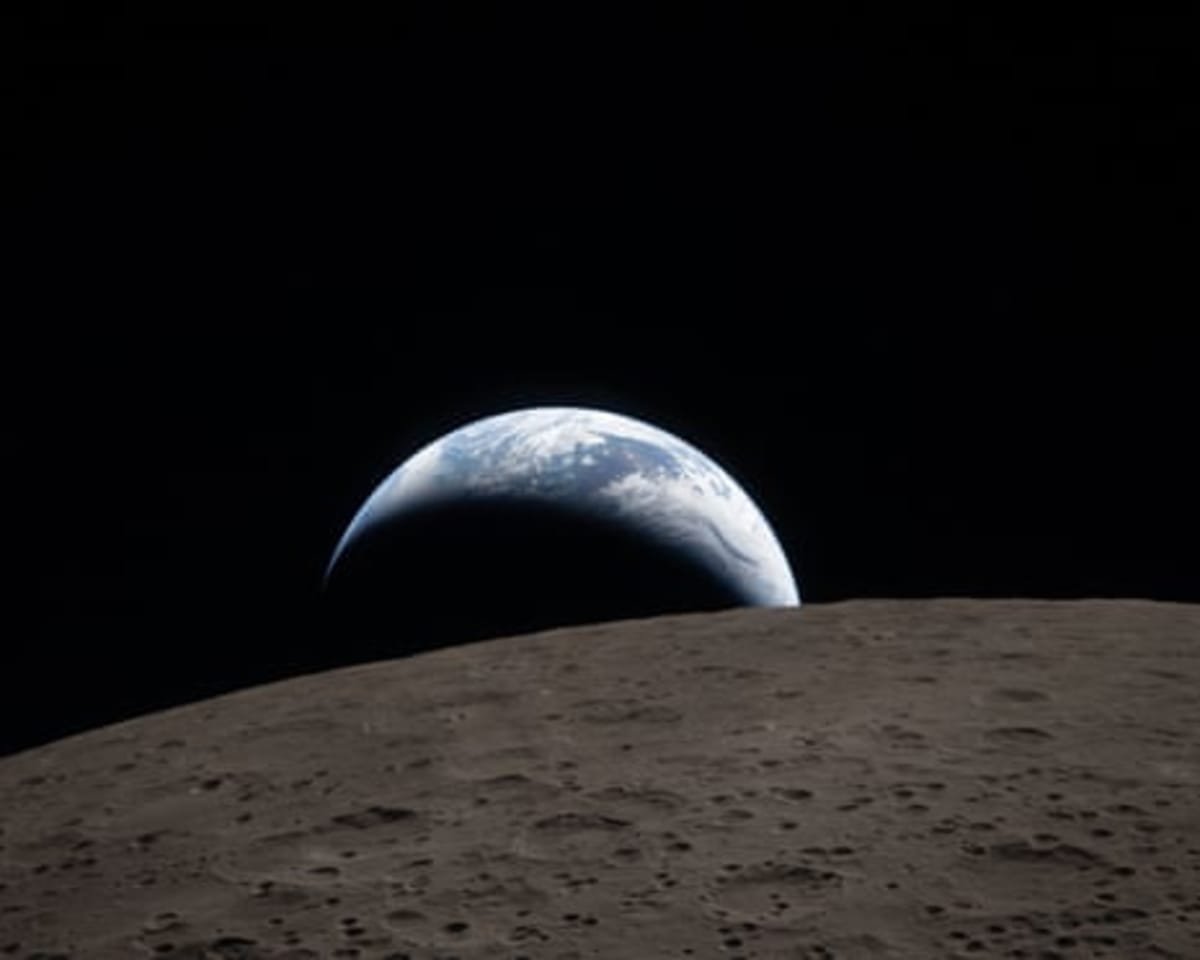
The crew captured stunning images that will fuel scientific discovery for years. They photographed Earth rising from behind the moon, witnessed a solar eclipse from space, and documented the massive Orientale impact basin. They even spotted up to six micrometeorite impacts flashing on the lunar surface during a single 30-minute observation period.
Victor Glover, the first Black man to travel beyond low Earth orbit, said he felt transported to the moon's surface as he looked out the window. "I was walking around down there on the surface, climbing and off-roading on that amazing terrain," he told mission control.
The mission broke records in multiple ways. The crew reached 252,756 miles from Earth, surpassing Apollo 13's 1970 distance record. Canadian astronaut Jeremy Hansen and NASA's Reid Wiseman round out the historic four-person team.
For 40 minutes during their swing around the far side of the moon, the astronauts lost all contact with Earth. Glover spent that time recording detailed scientific observations and saying a prayer. The crew reported seeing surprising colors on the grey lunar landscape, including browns, greens, and oranges that scientists are eager to understand.
Why This Inspires
This mission represents more than technological achievement. It shows that even in an age of incredible scientific advancement, the human spirit still finds wonder in exploration. Koch's admission that she was moved to tears by the moon's bright new craters, shining "like pinpricks in a lampshade," reminds us that discovery never gets old.
The crew is now speeding back toward Earth, scheduled to splash down near San Diego on Friday evening. Wiseman captured the team's excitement best when he said, "All of us commented how excited we are to watch this nation, and this planet, become a two-planet species."
Their journey marks the beginning of NASA's Artemis program, which aims to establish a permanent human presence on and around the moon. What started April 1st with a thunderous launch from Kennedy Space Center has become a testament to human curiosity and courage.
More Images


Based on reporting by Google News - Science
This story was written by BrightWire based on verified news reports.
Spread the positivity!
Share this good news with someone who needs it