Artemis II Crew Heads to Moon After 54-Year Break
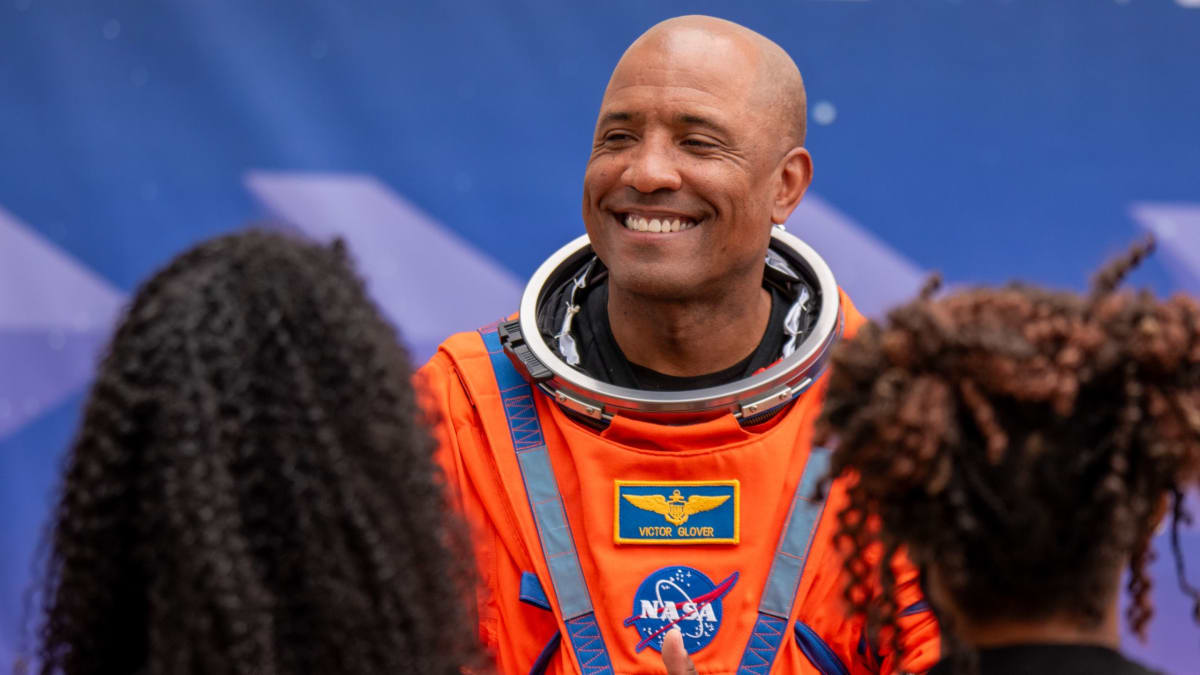
For the first time in over half a century, humans are traveling to the Moon. NASA's Artemis II crew successfully launched from Florida and is now preparing for their historic journey around our nearest celestial neighbor.
Four astronauts are now orbiting high above Earth, preparing to become the first humans to travel to the Moon in 54 years.
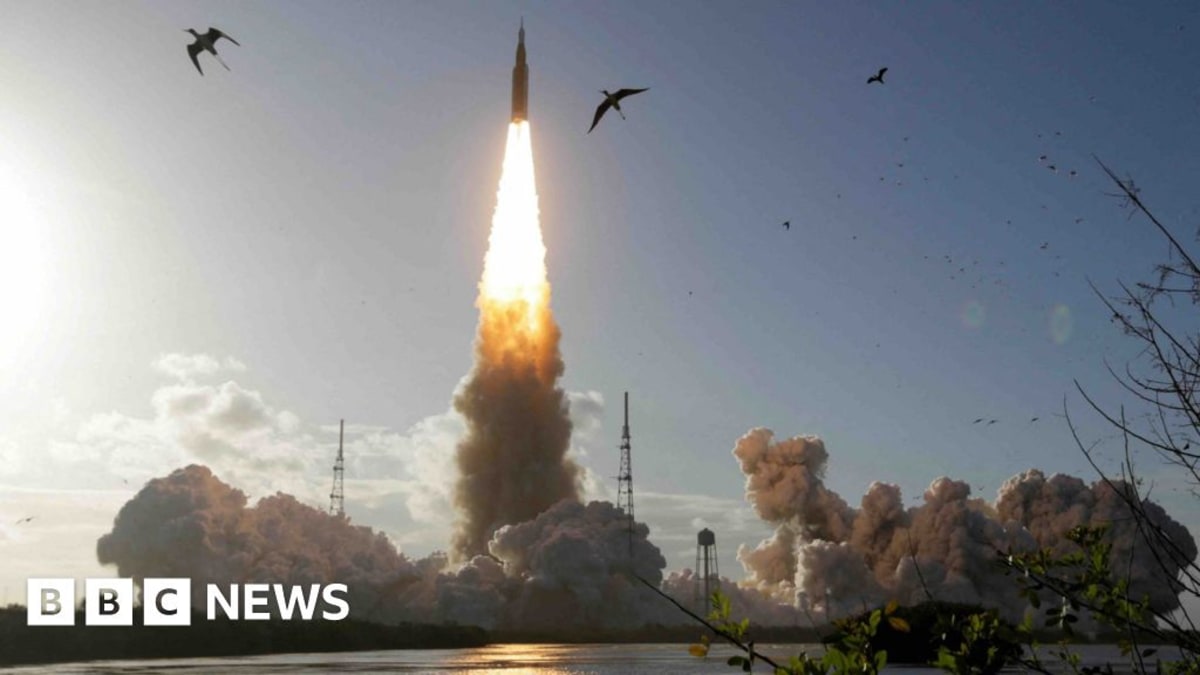
NASA's Artemis II spacecraft blasted off from Kennedy Space Center in Florida on Thursday, marking humanity's return to lunar exploration. Commander Reid Wiseman and his crew passed through the boundary between Earth's atmosphere and space without a hitch, with all technical choreography going exactly as planned.
Minutes after launch, Wiseman's voice crackled over the radio with pure wonder. "Great view... we have got a great Moonrise," he said, seeing what only a handful of humans have ever witnessed.
Spectators on the ground felt the rocket's power vibrate through their entire bodies as the massive spacecraft climbed skyward. After some brief technical issues that paused the countdown, the launch proceeded spectacularly.
The crew won't actually land on the Moon during their 10-day mission. Instead, they'll circle it and could travel further from Earth than anyone has ever been before returning home.
Their journey hit a very human moment when astronaut Christina Koch asked mission control to warm up the chilly cabin. "It is very cold in the cabin, any chance you can make it warmer?" she asked, reminding everyone that even space explorers get cold.
From 38,000 nautical miles up, Wiseman shared another glimpse of the awe they're experiencing. "The view out of window three of the entire half of the Earth is spectacular," he told mission control.
The Ripple Effect
This mission opens the door for even bigger dreams. NASA has a crewed lunar landing scheduled for 2028, followed by plans for a permanently crewed Moon base and eventually a voyage to Mars.
"After a brief 54-year intermission, NASA is back in the business of sending astronauts to the Moon," said NASA administrator Jared Isaacman at a news conference. His words captured what this moment means for everyone watching from Earth.
The next critical moment comes with the "translunar injection" burn, a powerful engine firing that will sling the crew out of Earth's orbit and toward the Moon. Safety teams are monitoring every data point, ready to bring the crew home immediately if anything looks wrong.
For now, the astronauts are resting between maneuvers, experiencing what fewer than two dozen humans have ever known: the view of Earth from deep space, and the promise of seeing the Moon up close.
More Images

Based on reporting by BBC Science
This story was written by BrightWire based on verified news reports.
Spread the positivity!
Share this good news with someone who needs it