Artemis II Crew Reaches Record Distance Beyond the Moon
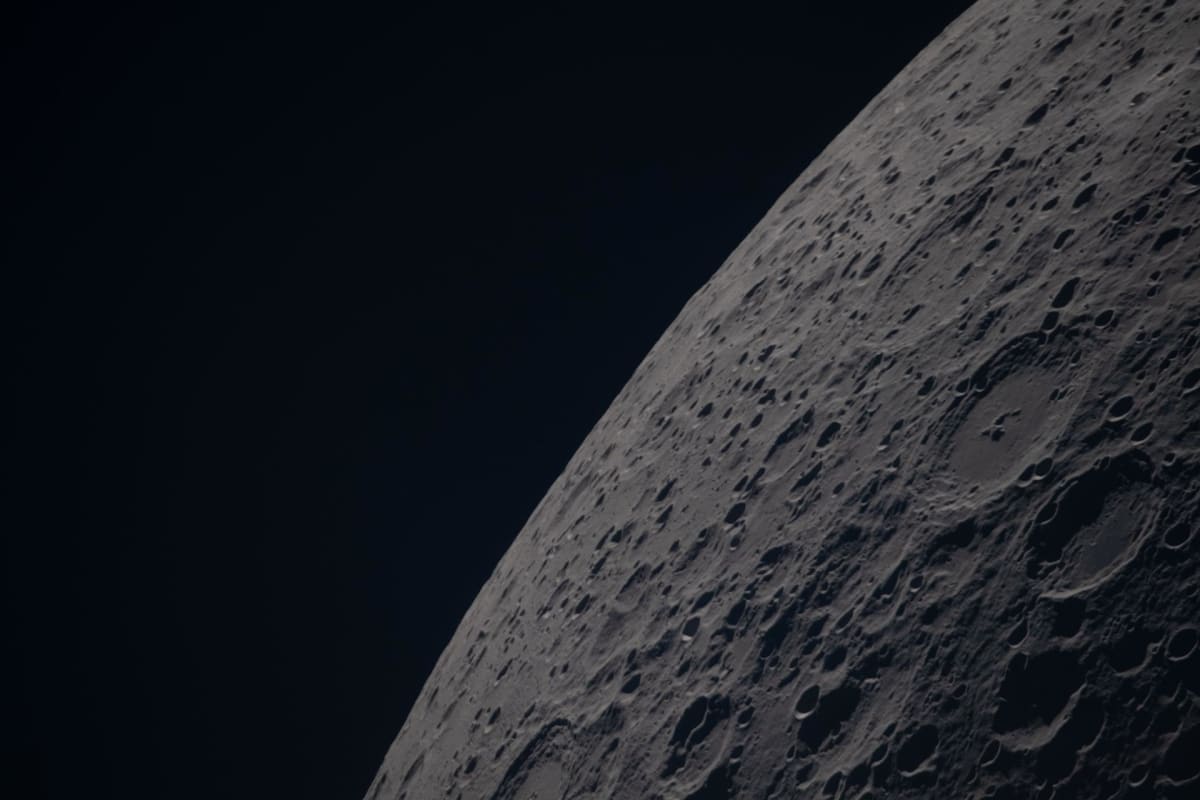
Four astronauts aboard NASA's Artemis II mission are about to break a 55-year-old space record while getting the closest look at the moon humans have seen in decades. The crew will surpass Apollo 13's distance record on Monday during a historic lunar flyby.
Four astronauts are floating 248,655 miles from home, about to make history while gazing at views no human has seen in over 50 years.
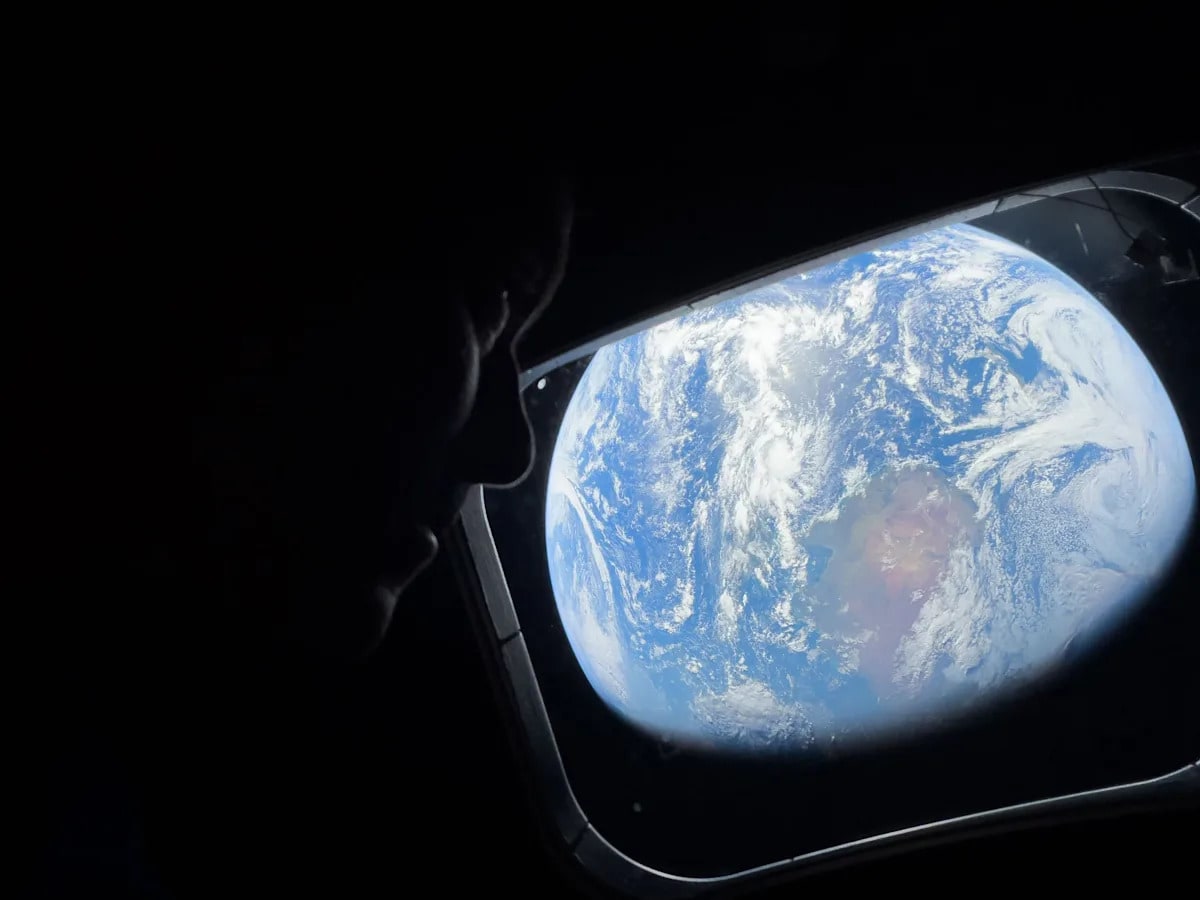
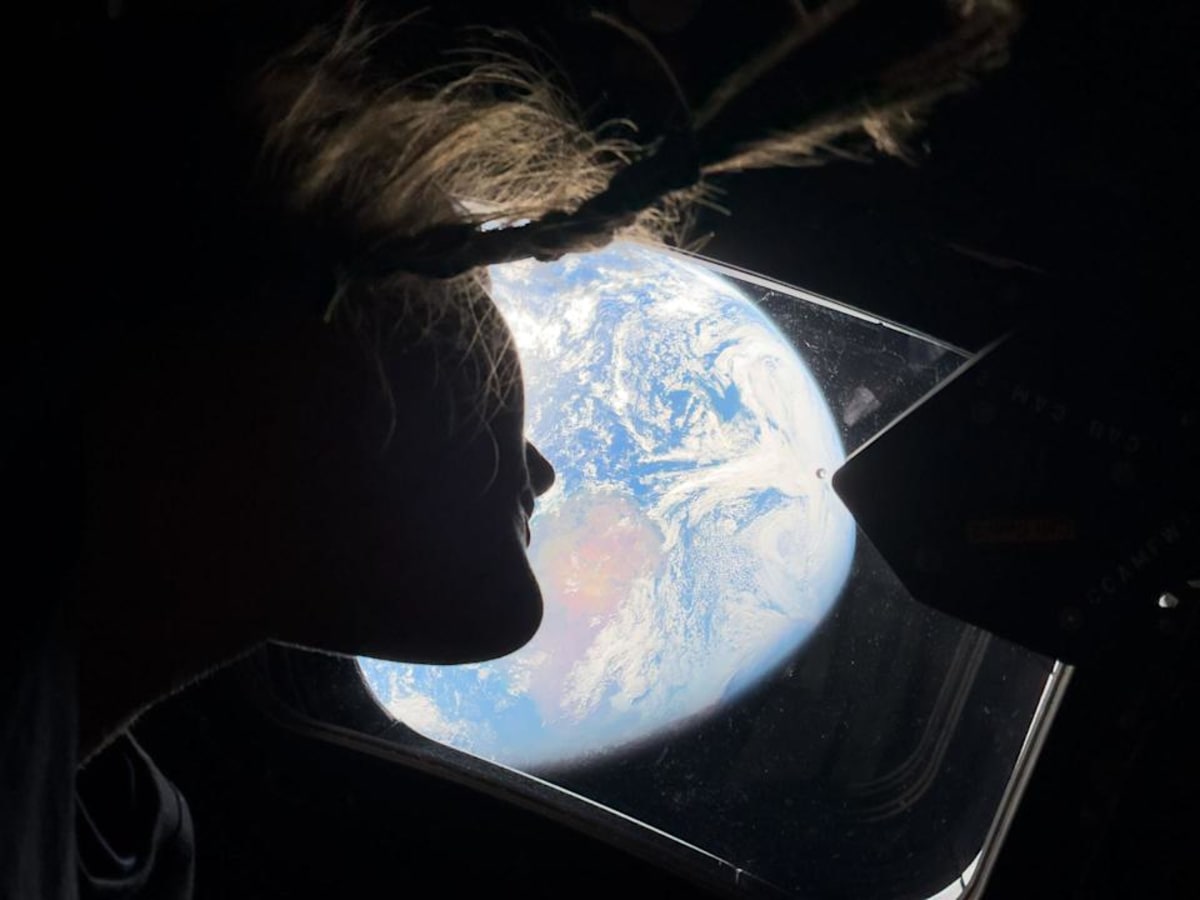
The Artemis II crew spent this weekend preparing for their Monday lunar flyby, practicing manual piloting and checking their emergency spacesuits. But Commander Reid Wiseman, Mission Specialist Christina Koch, and their crewmates also found time to soak in the breathtaking views of Earth through Orion's windows.
The spacecraft will reach the moon's vicinity just after midnight on Monday, April 6. Later that day, the crew will travel farther from Earth than any human in history, breaking the distance record set by Apollo 13 astronauts in 1970.
The real show begins at 2:45 PM ET when the six-hour lunar observation period kicks off. A few hours later, Orion will slip behind the moon, temporarily cutting off communication with mission control back home.
At 7:02 PM, the spacecraft will make its closest approach to the lunar surface at just 4,066 miles above. From that vantage point, the astronauts will see the entire moon at once, including the mysterious north and south polar regions that remain largely unexplored.
The crew will witness something truly rare during their journey. As Orion, the moon, and the sun align perfectly, the astronauts will watch a solar eclipse from space as the moon blocks out the sun for about an hour.
Why This Inspires
This mission represents more than breaking records. It marks humanity's return to deep space exploration after decades of staying close to Earth, proving we haven't lost our ability to push boundaries and explore the unknown.
The Artemis II crew is paving the way for future missions that will land the first woman and first person of color on the moon. Their success this week shows that the next giant leap for humanity is closer than ever.
NASA will broadcast live coverage of the flyby starting at 1 PM ET on Monday, giving everyone on Earth a chance to share in this historic moment.
After 55 years of waiting, humans are once again venturing beyond where we've gone before.
More Images


Based on reporting by Engadget
This story was written by BrightWire based on verified news reports.
Spread the positivity!
Share this good news with someone who needs it