Artemis II Crew Returns After 50-Year Moon Mission Gap
Four astronauts safely splashed down in the Pacific Ocean after a historic 10-day journey to the moon, marking humanity's first crewed lunar mission in over half a century. The successful mission clears the path for NASA's plan to land humans on the moon by 2028.
After 10 days circling the moon, four astronauts touched down in the Pacific Ocean to thunderous applause, completing the first crewed lunar mission since the 1970s.
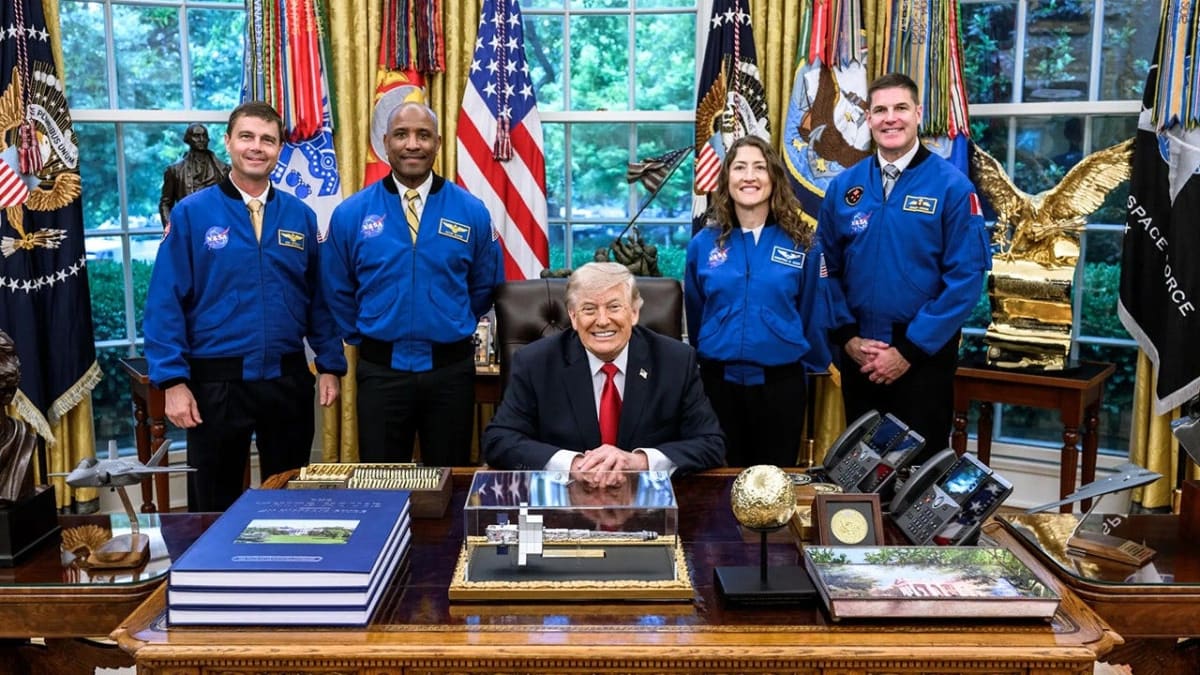
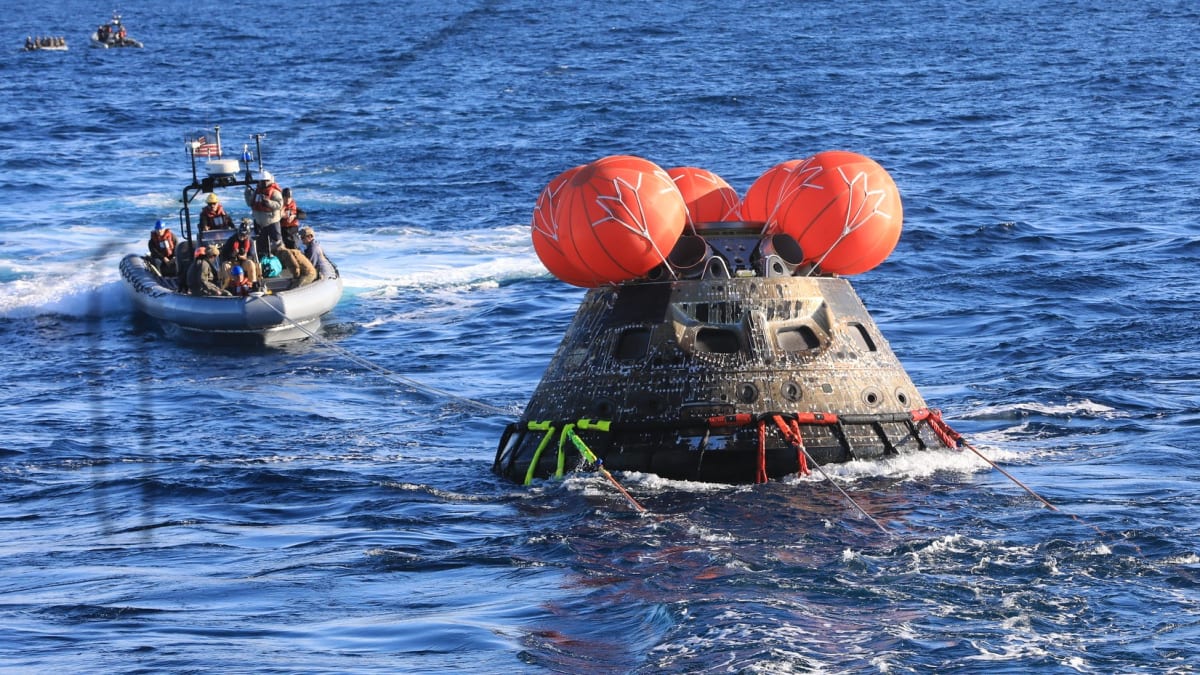
Commander Reid Wiseman, pilot Victor Glover, and mission specialists Christina Koch and Jeremy Hansen emerged from NASA's Orion spacecraft on April 10, 2026, greeted by Navy recovery teams and cheering mission control staff in Houston. The capsule landed just off San Diego at 8:07 p.m. EDT, marking a flawless end to a mission that tested every system NASA will use for future moon landings.
The return journey pushed the spacecraft to its limits. Orion screamed back into Earth's atmosphere at 24,600 miles per hour, roughly 24 times faster than a speeding bullet. The heat shield withstood temperatures reaching 5,000 degrees Fahrenheit, about half as hot as the sun's surface.
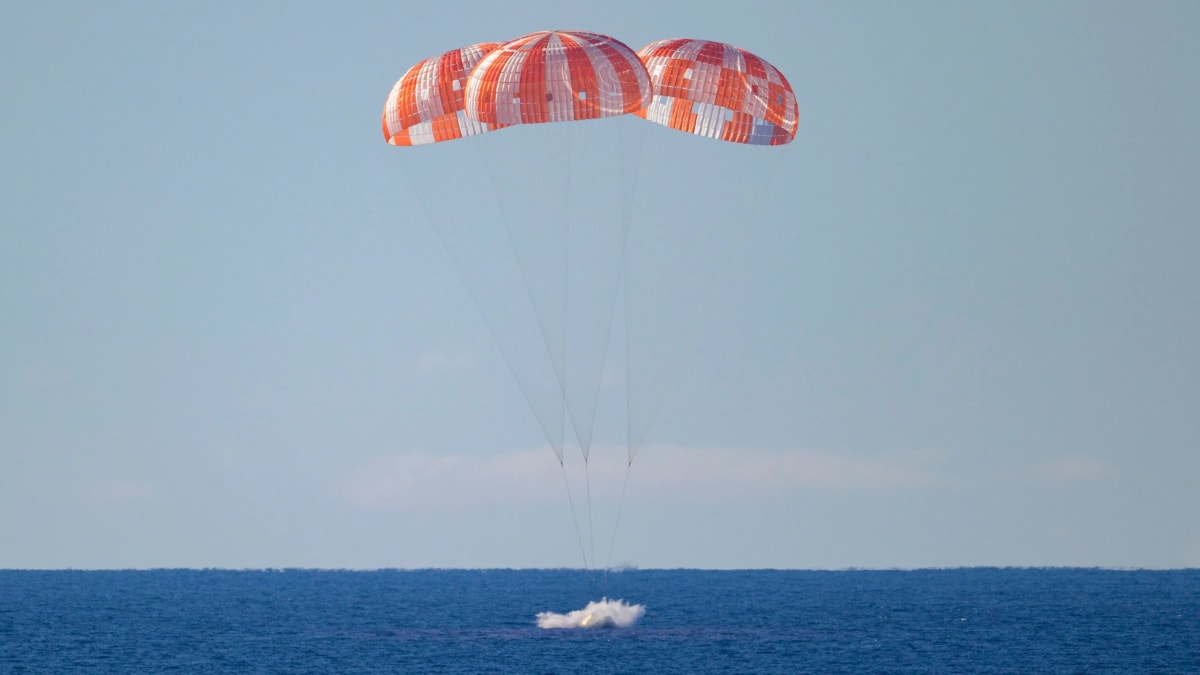
For six nail-biting minutes, a cloud of superheated plasma cut off all radio contact with the crew. Then Orion appeared in the clear sky, three massive parachutes billowing above it as it slowed to a gentle 20 miles per hour before splashing down.
The mission captured hearts worldwide as the crew shared stunning photos from the moon's far side, including views of Earth rising over the lunar horizon and a total solar eclipse seen from space. "I took a brief moment to say a short prayer of gratitude," Glover said after emerging from the moon's shadow. "I was hoping that people looked up and were watching, and that maybe folks would feel a sense of togetherness."
Why This Inspires
NASA Administrator Jared Isaacman summed up what millions felt watching the safe return. "I'm still at a loss for words. Childhood Jared right now can't believe what I just saw." His wonder reflects a renewed sense of possibility as space exploration enters a new chapter.
The mission wasn't just about nostalgia. Every system test, every data point collected, and every photo taken brings NASA closer to establishing a permanent lunar base. The crew gathered scientifically valuable information that will help engineers refine equipment for the Artemis III landing mission planned for 2028.
What started as a childhood dream for many has become reality again, proving that humanity's greatest adventures aren't behind us.
More Images


Based on reporting by Live Science
This story was written by BrightWire based on verified news reports.
Spread the positivity!
Share this good news with someone who needs it