Artemis II Crew Safely Returns After Historic Lunar Mission
Four astronauts splashed down safely in the Pacific Ocean after completing humanity's first journey around the moon in over 50 years. The successful mission paves the way for NASA's planned moon landing in 2028 and a permanent lunar base by the 2030s.
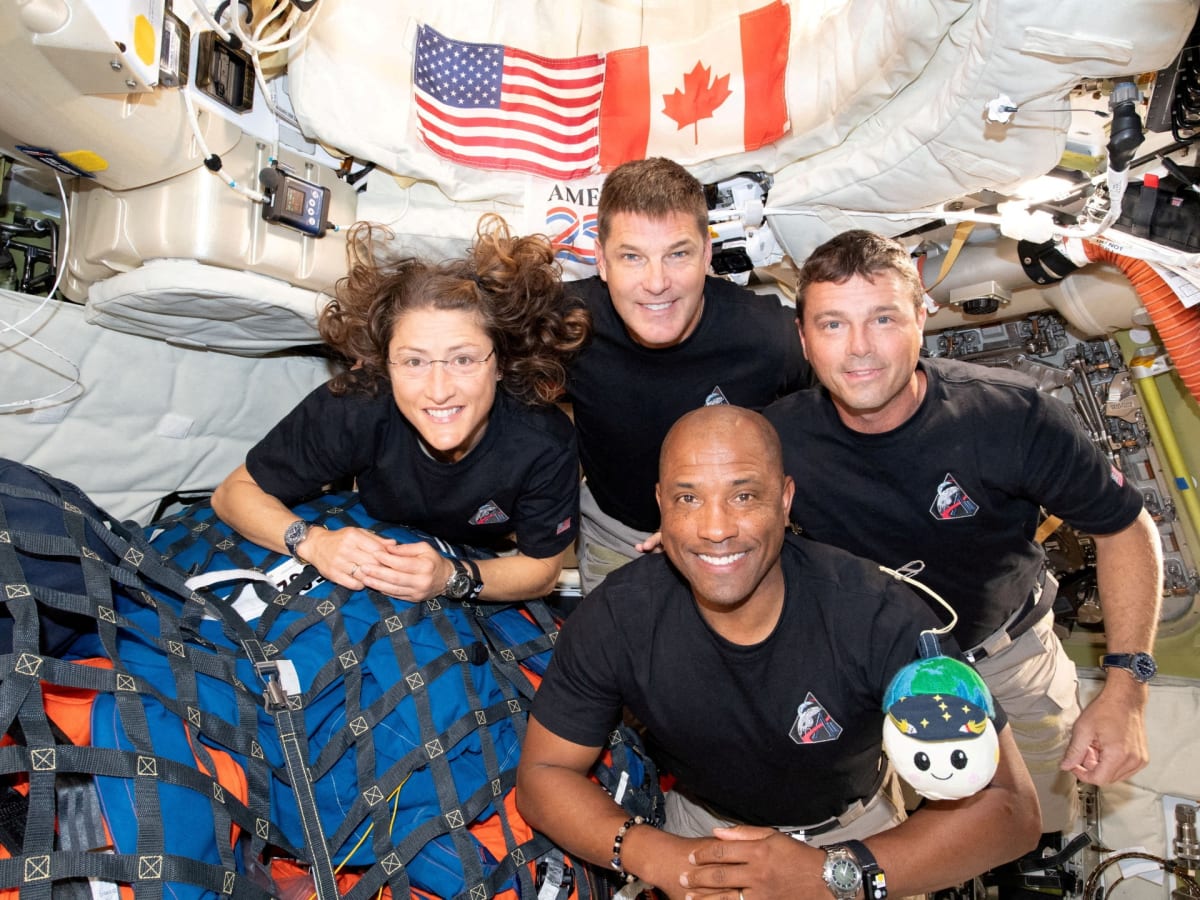
Commander Reid Wiseman, pilot Victor Glover, Christina Koch, and Canada's Jeremy Hansen made history today, completing the first crewed lunar voyage since the Apollo era ended in 1972. Their safe Pacific Ocean splashdown off San Diego marked the triumphant conclusion of the Artemis II mission.
The crew's Orion capsule, named Integrity, automatically guided itself through one of the most challenging reentries ever attempted. The spacecraft slammed into Earth's atmosphere at Mach 33, traveling 33 times the speed of sound and generating temperatures of thousands of degrees on its heat shield.
Mission Control in Houston held its collective breath during a planned six-minute communication blackout as superheated plasma engulfed the capsule. When Orion emerged from the blackout and deployed its parachutes, hundreds of engineers and flight controllers erupted in celebration while astronaut families cheered from the viewing room 2,000 miles away.
Navy helicopters lifted each astronaut individually from their floating capsule into the California sunshine, transporting them to the USS John P Murtha recovery ship. The scene echoed the iconic Apollo splashdowns that captivated the world generations ago.
During their voyage, the crew witnessed breathtaking views never before seen by human eyes, including vast unexplored regions of the moon's far side. They experienced a total solar eclipse from space and captured stunning images of Earth shining brilliantly against the darkness beyond our atmosphere.
Why This Inspires
NASA Administrator Jared Isaacman captured the mission's significance perfectly: "These were the ambassadors from humanity to the stars that we sent out there right now, and I can't imagine a better crew." The successful return proves that humanity's reach extends far beyond our home planet.
This mission breaks new ground in multiple ways. Victor Glover becomes the first Black astronaut to travel beyond Earth orbit, while Christina Koch sets records as the first woman to journey to the moon. Jeremy Hansen represents Canada's growing role in space exploration as the first Canadian to leave low Earth orbit.
The Artemis II crew faced intense challenges with grace and skill, testing every system that future moon-landing astronauts will depend on. Their successful mission validates NASA's Orion spacecraft design and clears the path for Artemis III astronauts to actually land on the lunar surface in 2028.
Looking ahead, these achievements set the foundation for humanity's return to stay. NASA plans to establish a permanent lunar base within the decade, creating a stepping stone for future Mars missions and deeper space exploration.
The stars just got a little closer for all of us.
Based on reporting by Al Jazeera English
This story was written by BrightWire based on verified news reports.
Spread the positivity!
Share this good news with someone who needs it