Artemis II Pilot: Moon Mission Flew Better Than Expected
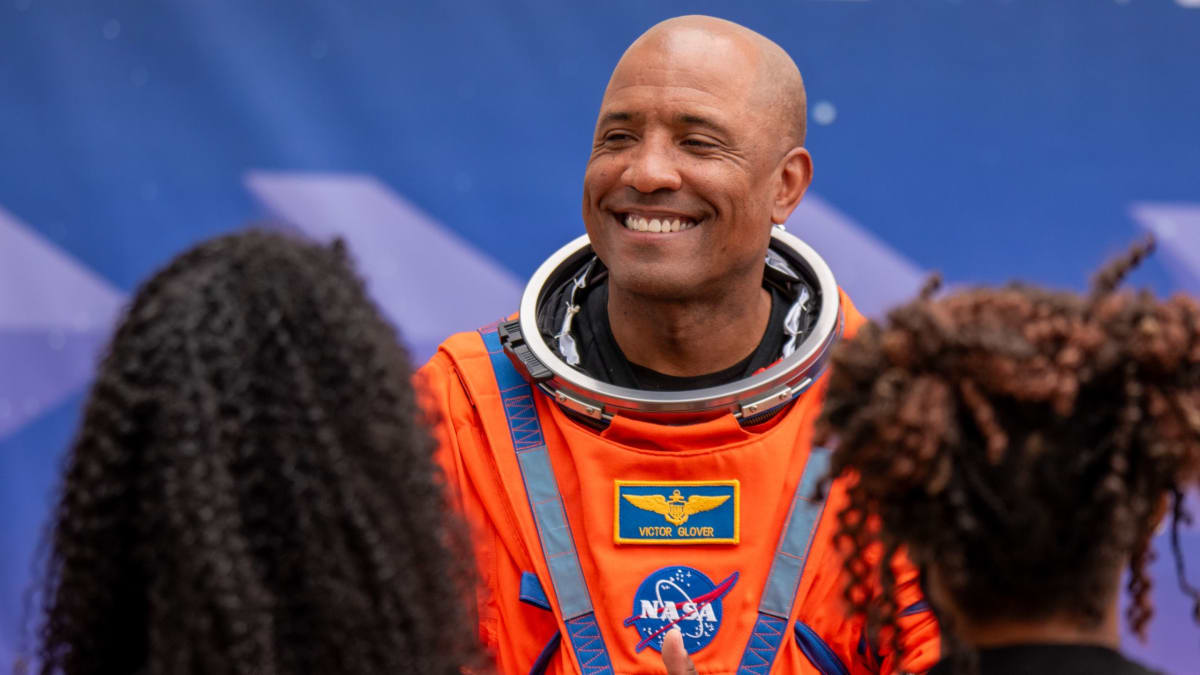
NASA astronaut Victor Glover just returned from circling the Moon and says the Orion spacecraft handled even better than simulations predicted. His test flight cleared the way for future crews to land on the lunar surface with confidence.
Six days after splashing down from humanity's first crewed trip around the Moon in over 50 years, NASA astronaut Victor Glover shared what it was really like to pilot the Orion spacecraft through one of the most critical test flights in space exploration history.
The good news? Everything worked better than expected. Glover, an experienced naval aviator who previously flew SpaceX's Crew Dragon to the International Space Station, got to test drive Orion using traditional stick controls instead of touchscreens during the Artemis II mission.
"The real vehicle had better springs," Glover told reporters at NASA's Johnson Space Center. The control stick had less wobble than in simulations, and when he fired the thrusters, the spacecraft responded instantly. He compared the rumble to driving a pickup truck on a dirt road.
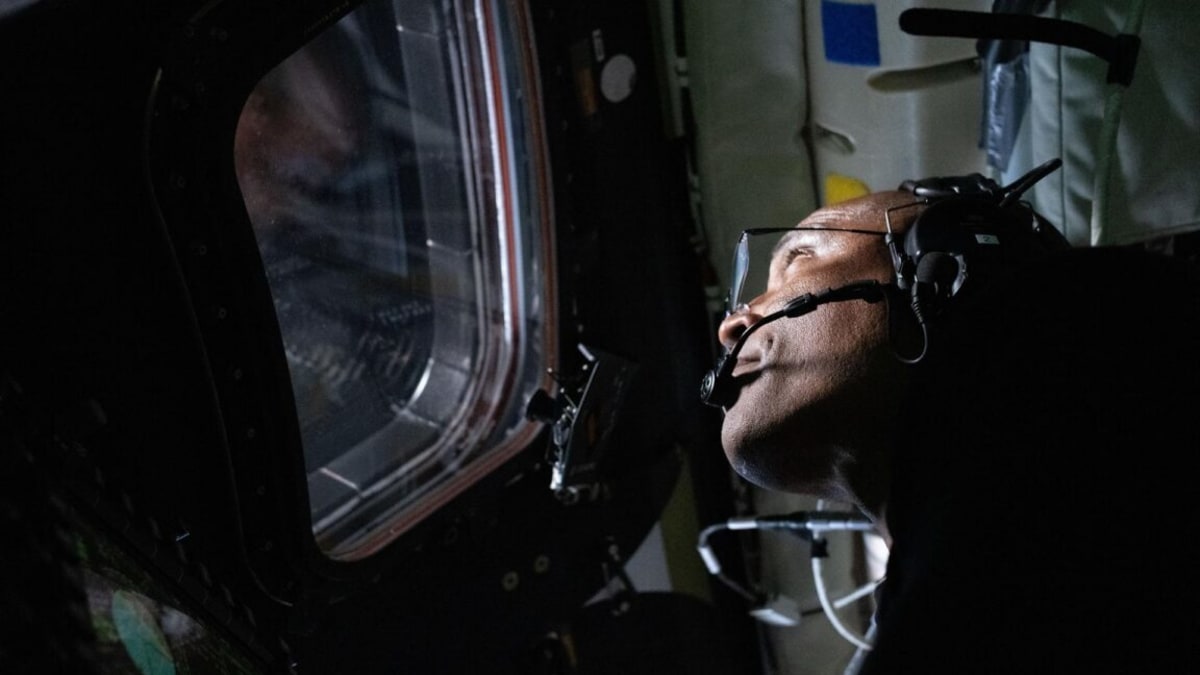
The hands-on controls made a huge difference for precision flying. With a touchscreen, Glover explained, you have to look down at your fingers to make sure you're tapping the right spot. With a physical controller, he could keep his eyes on the window the entire time while making delicate maneuvers.
That capability matters enormously for future missions. Artemis III and IV will require complex docking operations with lunar landers, and crews need the ability to take manual control in emergencies. Glover pointed to the 2024 Boeing Starliner mission, when pilot Butch Wilmore had to manually hold position during a critical moment that prevented catastrophe.
Why This Inspires
Glover's successful test flight represents more than just one astronaut's skill. It validates years of work by engineers, flight controllers, and manufacturing teams who built a spacecraft capable of carrying humans safely to the Moon and back.
"Those teams should be very proud," Glover said. The modeling, the software, the hardware all came together better than simulated. That's exactly what test pilots exist to verify, and Glover just gave future lunar crews the green light they needed.
Unlike the Apollo era, when astronauts sometimes flew "off the books" during radio blackouts, the Artemis II crew made sure everyone on board got flight experience. Future missions might have doctors or scientists in those seats, so gathering data from different perspectives became part of the official mission plan.
The success of this test flight means the next crew can focus on their primary objective: actually landing on the Moon. They'll have the peace of mind knowing an engineer, a naval aviator, and real-world data all confirm the spacecraft is ready.
Glover described the manual piloting as "a test pilot's dream" and called the mission a massive success even before they completed their full objectives. Now Artemis II gets to pass a confident baton to the crews who will take the next giant leaps, including establishing a semi-permanent lunar base.
The path back to the Moon just got a little clearer, and the spacecraft proved it's up for the journey.
More Images



Based on reporting by Ars Technica
This story was written by BrightWire based on verified news reports.
Spread the positivity!
Share this good news with someone who needs it