Artificial Egg Tech Could Save Endangered Birds
A Texas company has created an artificial egg that hatches healthy chicks without extra oxygen, opening doors for critically endangered species. The breakthrough technology could rescue damaged eggs and boost breeding programs for birds on the brink of extinction.
Scientists may have just cracked one of conservation's toughest challenges: how to save endangered birds that produce too few eggs to rebuild their populations.
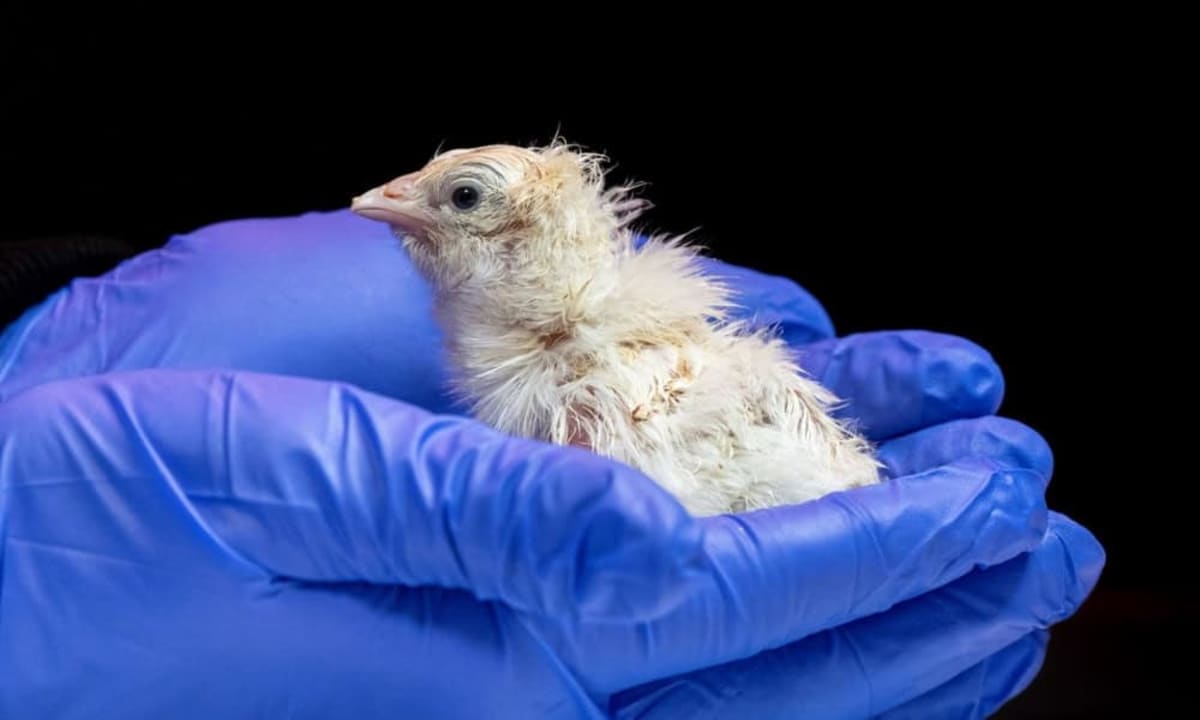
Colossal Biosciences announced it successfully hatched chicks using a fully artificial egg that doesn't require supplemental oxygen. The innovation solves a problem that has plagued artificial egg technology since the 1980s.
The new design features a latticed half-shell and a transparent silicone membrane that lets oxygen flow naturally to the developing embryo. This mimics what happens inside a real eggshell, but lets researchers watch the entire development process through the clear membrane.
Traditional artificial eggs needed pure oxygen pumped directly to embryos, which often harmed chick health. By eliminating this requirement, Colossal's version could work far better for conservation breeding programs.
The company designed the technology to bring back extinct species like the dodo and New Zealand's giant moa. But scientists are more excited about its immediate potential for living birds in crisis.
Critically endangered species like New Zealand's kākāpō and black stilt often lose eggs to inexperienced parents, bad weather, or simple accidents. With artificial egg technology, conservationists could rescue these damaged eggs and give the embryos inside a second chance at life.
The technology could scale to different egg sizes, from tiny songbirds to large emus. This flexibility means it could work for many threatened species with different breeding challenges.
The Ripple Effect
The breakthrough matters most for slow-breeding, long-lived birds that produce few eggs each year. These species struggle to recover from population crashes because they simply can't reproduce fast enough, even with human help.
When combined with genetic techniques, the artificial eggs could do even more. Scientists could potentially restore lost genetic diversity to inbred populations or make birds resistant to diseases that threaten their survival.
The technology needs rigorous peer review before conservation groups can fully assess its value. Colossal hasn't yet published detailed data in scientific journals, making independent verification impossible for now.
If the artificial eggs work as promised, they won't replace traditional conservation methods like habitat restoration and predator control. But they could become a powerful new tool in the race to save species teetering on the edge.
For the technology to truly help endangered birds, it needs to be accessible to public conservation organizations, not locked behind private company walls. The birds that need this most belong to all of us, and the tools to save them should too.
More Images



Based on reporting by Google: species saved endangered
This story was written by BrightWire based on verified news reports.
Spread the positivity!
Share this good news with someone who needs it


