Artists Turn Anti-Homeless Spikes Into Powerful Statement
When hostile spikes appeared outside a London nightclub to deter homeless people from resting, local artists transformed them into a symbol of compassion. Their creative protest sparked a global conversation about how cities treat their most vulnerable residents.
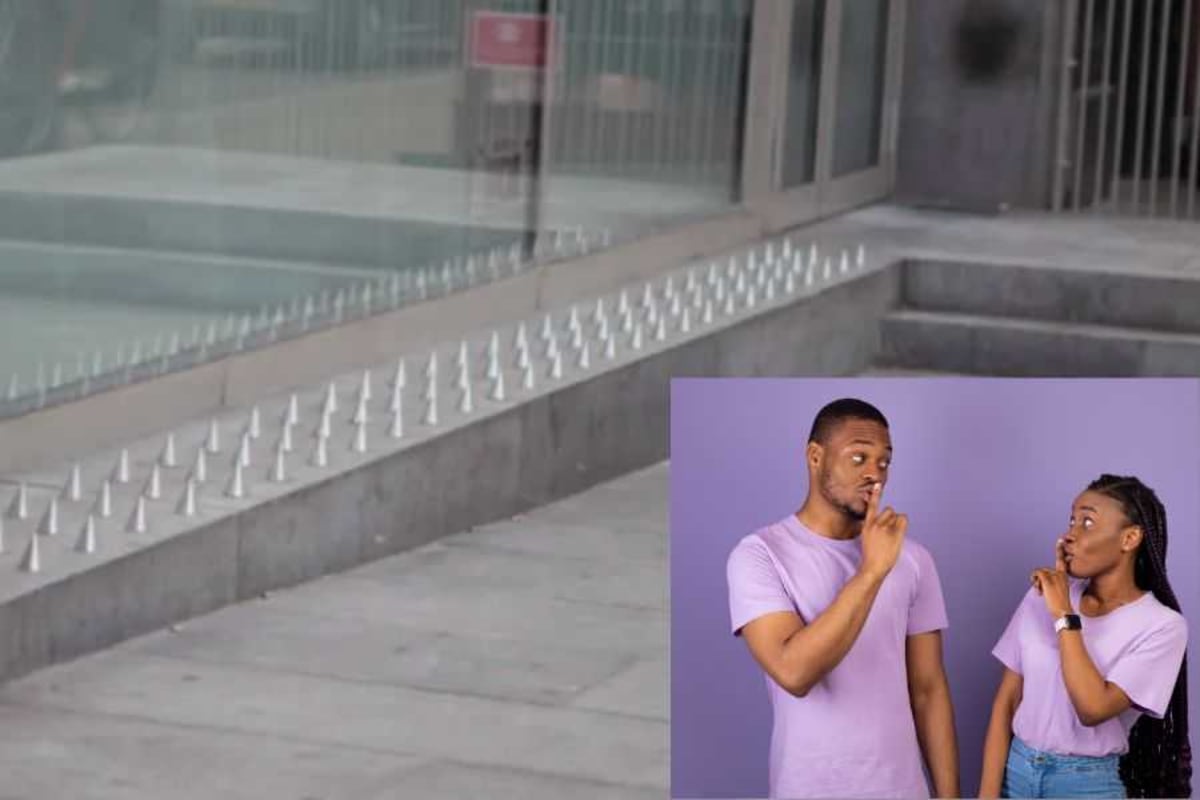
A set of metal spikes installed outside a London nightclub in 2015 wasn't meant to keep people safe. They were designed to keep homeless people from sitting or sleeping there, literally making the ground too painful to rest on.
Local artists weren't having it. They formed a collective called "Space, Not Spikes" and covered the hostile metal with cushions, turning an act of cruelty into a statement about kindness.
"Spikes do nothing more than shoo the realities of poverty and inequality away from your backyard so you don't have to see it," said Leah Borromeo, a member of the collective. The simple action went viral, even earning support from musician Ellie Goulding.
The London protest gave a name to something many had noticed but couldn't quite articulate: hostile architecture. These are the armrests added to park benches, the angled bus stop seats, and the concrete ledges designed to prevent anyone from getting too comfortable.
Space, Not Spikes brought attention to how cities spend money pushing homeless people away instead of addressing the root causes of homelessness. Their cushioned spikes became a visual reminder that design choices reflect our values.
Why This Inspires
The artists didn't just complain about the problem. They created something that made people stop and think about who public spaces are really for.
Their action proved that small groups can challenge accepted cruelty. Sometimes all it takes is someone pointing out that what we've normalized isn't actually okay.
"I think we're actually really kind," Borromeo told Upworthy. "We need to call out injustice and hypocrisy when we see it."
The conversation they started continues today as more people recognize hostile architecture in their own cities. Advocates are pushing for compassionate urban design that welcomes everyone, not just those who can afford a home.
Change starts when someone refuses to accept that spikes on the ground are normal.
More Images



Based on reporting by Upworthy
This story was written by BrightWire based on verified news reports.
Spread the positivity!
Share this good news with someone who needs it