Asia Bank Chief Pledges Billions for Roads and Power
The Asian Infrastructure Investment Bank's new president says private partnerships will help build critical infrastructure across 40 economies despite global uncertainty. The Beijing-based bank has already invested $69.5 billion since 2015.
A decade after launching with a bold vision, one of the world's newest development banks is doubling down on its promise to transform Asia's infrastructure landscape.
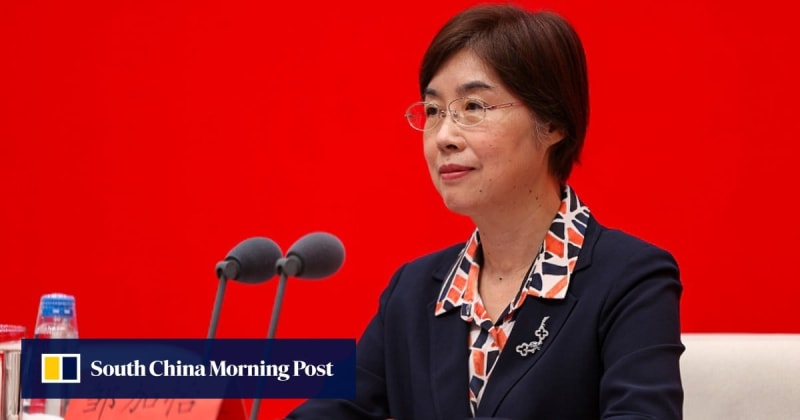
Zou Jiayi, who became president of the Asian Infrastructure Investment Bank this month, told leaders at Hong Kong's Asian Financial Forum that her institution will marshal resources from governments, private investors, and partner banks to build roads, power plants, and essential systems across the continent. The 111-member bank has already pumped $69.5 billion into projects spanning 40 economies.
Her message comes at a crucial moment. Global tensions, fractured supply chains, and shrinking public funds are making development work harder than ever.
"Markets are very hesitant during the turbulent global environment, but people do need investment, they do need resilient infrastructure," Zou said in her first international speech as president. She took over the role January 16 from founding president Jin Liqun.
The solution? Getting creative about partnerships. Zou emphasized that governments alone can't foot the bill for the massive infrastructure needs across Asia. Private capital must step up, alongside cooperation with institutions like the Asian Development Bank in Manila and the Islamic Development Bank in Saudi Arabia.
The Ripple Effect
Better infrastructure means more than just nicer roads. When countries build reliable power grids, efficient ports, and modern transportation networks, their economies grow stronger. Local industries can produce more goods, trade becomes easier, and tax revenues increase.
That foundation helps nations weather economic storms and compete in global markets. For developing countries across Asia, these investments can mean the difference between struggling economies and thriving ones.
Zou brings deep experience to the challenge. She spent nearly four decades at China's Ministry of Finance, rising to vice-minister and playing a key role in establishing the AIIB itself. She also represented China at the World Bank Group and Asian Development Bank.
Curtis Chin, a global markets adviser at the Milken Institute and former US ambassador to the Asian Development Bank, sees opportunity ahead. "She has the tremendous opportunity to continue to position and shape this newest of major multilateral financial development banks," he said.
The real test will be on the ground. Some member countries face bureaucratic red tape, regulations that slow progress, and corruption that siphons funds. How effectively the AIIB navigates these obstacles while delivering projects that genuinely improve lives will define its legacy.
Founded in Beijing in 2015, the bank represents a different model for development finance, one that's attracting members worldwide who see the value in collaborative infrastructure investment. With billions more to deploy and a leader focused on practical partnerships, the institution is betting that building better foundations today creates stronger economies tomorrow.
More Images


Based on reporting by South China Morning Post
This story was written by BrightWire based on verified news reports.
Spread the positivity!
Share this good news with someone who needs it