Assam Hits 730 Days With Zero Rhino Poaching
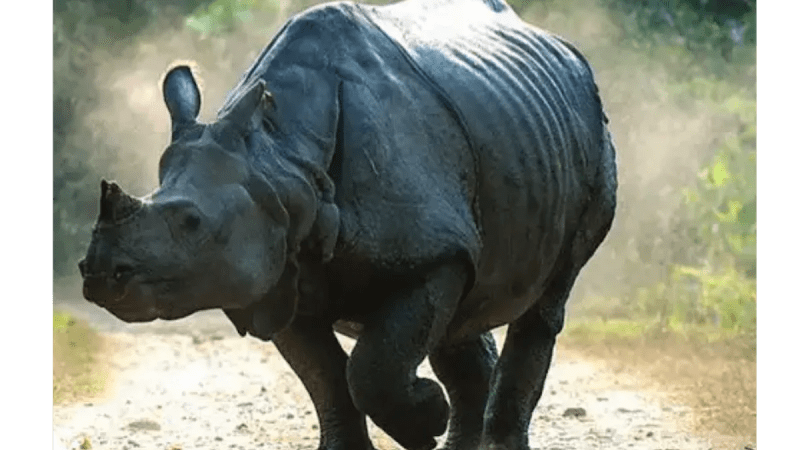
India's Assam state has achieved over two years without a single rhino killed by poachers, protecting a species that once lost 27 animals annually to illegal hunting. A combination of tough laws, community support, and innovative conservation efforts has saved the world's largest population of one-horned rhinos.
For more than 730 days, not a single rhinoceros has been killed by poachers in Kaziranga National Park, home to two-thirds of Earth's one-horned rhinos. This northeastern Indian state is proving that even the most endangered animals can bounce back when communities decide to protect them.
The turnaround is stunning. In 2013 and 2014, poachers killed 27 rhinos each year in Assam, devastating conservation efforts. By 2024, that number dropped to zero across all the state's protected areas.
What changed? Assam launched Operation Falcon, a coordinated effort between police and forest rangers that arrested 42 poachers, broke up six criminal gangs, and stopped nine poaching attempts before they happened. Forest rangers now have legal authority to use force protecting these gentle giants, whose horns can sell for hundreds of thousands of dollars illegally.
But the real secret weapon is everyday people. Communities living near Assam's forests have united across political and religious differences to guard their rhinos, reporting suspicious activity and supporting rangers.
The numbers tell an incredible story. Assam now protects over 3,000 one-horned rhinos across five reserves, including nearly 2,700 in Kaziranga alone. That's up from dangerously low numbers just a decade ago.
The Ripple Effect
Assam's success is inspiring change beyond its borders. Nepal, which shelters 750 one-horned rhinos, has also dramatically reduced poaching using similar community-focused strategies.
The government destroyed 2,500 seized rhino horns in 2024, sending a powerful message that these animals are worth more alive than dead. Scientists continue educating communities that rhino horns, made of the same protein as human hair and fingernails, have no medicinal value despite persistent myths.
India is now building a $950 million elevated highway through Kaziranga that will let vehicles pass overhead while rhinos, elephants, and tigers move freely below. The 34-kilometer corridor will save countless animals currently killed crossing roads at night while improving regional connectivity.
Prime Minister Narendra Modi praised Assam's achievement, highlighting how conservation and sustainable tourism can work together. The state has become a model for protecting vulnerable species while supporting local economies.
One-horned rhinos, once widespread across the Indian subcontinent, are now listed as vulnerable by international conservation organizations. While roughly 27,000 rhinos exist globally (mostly two-horned African species facing severe poaching), India's success with its iconic single-horned variety offers genuine hope.
From 27 deaths annually to zero in just over a decade, Assam has shown what's possible when laws, enforcement, innovation, and community will align for good.
More Images




Based on reporting by Google News - Conservation Success
This story was written by BrightWire based on verified news reports.
Spread the positivity!
Share this good news with someone who needs it