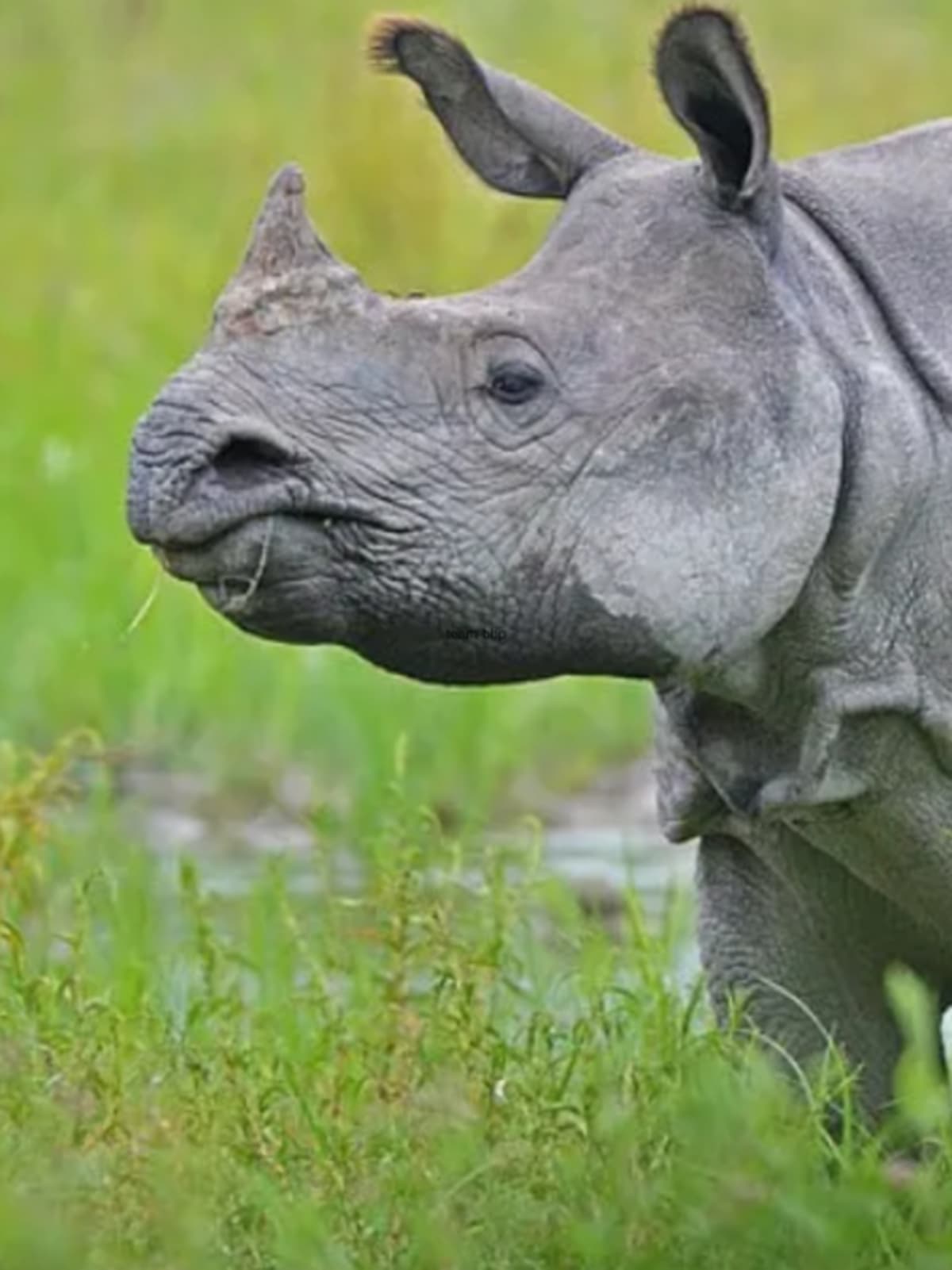
Assam's Tiger Population Quadruples in Nameri Reserve
India's Assam state is proving that tigers can make a comeback, with one reserve seeing its big cat population jump from just three to 12 in recent years. The success story shows what's possible when conservation efforts combine anti-poaching patrols, protected wildlife corridors, and smart technology. ##
Deep in India's northeastern state of Assam, a wildlife comeback is turning heads on International Tiger Day.
The Nameri Tiger Reserve has watched its tiger population soar from three to 12 over recent years. That's a fourfold increase in one of the world's most endangered big cats, all thanks to dedicated conservation work that's finally paying off.
Chief Minister Dr. Himanta Biswa Sarma celebrated the milestone, calling Assam a leading example of effective tiger habitat management. The state's approach combines boots on the ground with cutting-edge surveillance technology to protect these majestic predators.
Anti-poaching patrols work around the clock in Assam's tiger reserves. Rangers use technology-driven surveillance systems to monitor the animals and catch threats before they become tragedies. Meanwhile, carefully preserved wildlife corridors give tigers safe pathways to roam, hunt, and find mates across their natural range.
Nameri isn't alone in its success. The state protects several tiger reserves including Kaziranga, Manas, and Orang. Each serves as a secure sanctuary for the Royal Bengal Tiger, one of nature's most powerful and culturally significant animals.
India's national tiger conservation strategy is showing results across the country. Assam's gradual tiger population increase mirrors a broader trend of wild tiger numbers ticking upward after decades of decline.
The Ripple Effect
Protecting tigers does more than save a single species. As top predators, tigers maintain the ecological balance of entire forests. Their presence indicates healthy prey populations, thriving vegetation, and intact ecosystems that support countless other species.
When tiger numbers grow, it signals that the whole forest is healing. Local communities benefit from healthier watersheds, cleaner air, and the economic boost of wildlife tourism. The ripple effects of conservation work extend far beyond reserve boundaries.
Assam's commitment shows that with consistent effort and smart strategies, even critically endangered species can recover.
##
Based on reporting by Google News - Conservation Success
This story was written by BrightWire based on verified news reports.
Spread the positivity!
Share this good news with someone who needs it